


Silver Novelty Table Ornaments
Silver novelty table ornaments are whimsical conversation pieces crafted in sterling silver, bringing character and wit to dining tables and desks.
Silver Novelty Table Ornaments
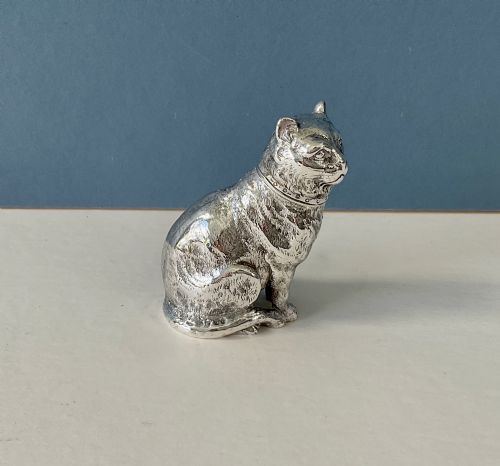
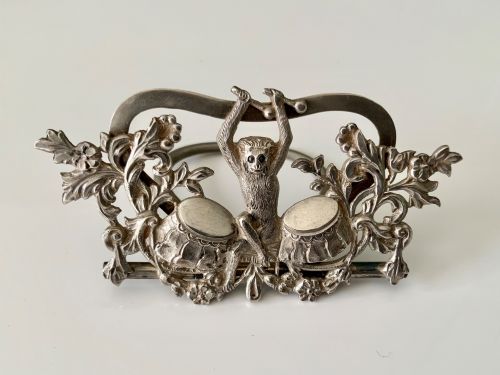
Silver novelty table ornaments encompass functional items shaped as animals, birds, and miniature objects designed to animate a room. When exploring silver novelty table ornaments, buyers encounter charming forms ranging from cats and monkeys to photo frames and menu holders.
The selections span the Victorian, Edwardian, and Art Deco periods, alongside German Renaissance Revival and Georgian Revival aesthetics. These functional items double as sculptural art, including pepper pots, sugar boxes, and desk bells.
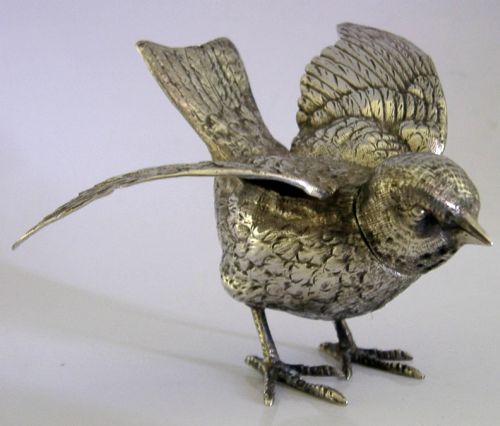
Makers from England, Germany, and the Netherlands produced these whimsical creations in sterling silver and solid silver. Pieces take the shape of everyday animals like pheasants, owls, and squirrels, as well as more elaborate figural groups.
Materials and construction
Silversmiths utilised sterling silver and solid silver to model these intricate table ornaments, often employing casting and chasing techniques to define feathers, fur, and facial expressions. Glass components occasionally complement the silver work in specific forms.
Detailed hand-chasing brings texture to animal models such as partridges, woodcocks, and goats. Mechanical elements in pieces like desk bells and menu holders demonstrate precise engineering alongside artistic silver smithing.
Object types include sugar boxes, menu holders, pepper pots, photo frames, desk bells, and figural musician table figures.
Evaluating quality and craftsmanship
The distinction between standard and exceptional pieces rests upon the crispness of the chasing and the naturalism of the animal anatomy. Superior examples display finely rendered textures in feathers and fur that avoid flat or generic stamping.
Artistic ingenuity and the complexity of the mechanism also divide the range, particularly in items where function integrates with sculpture. Maker attribution and clear hallmarks add further distinction to the finest survivals.
Boaz Moses·Sampson Mordan
The Silver Novelty Table Ornaments Glossary
- Sterling silver
- A silver alloy containing 925 parts per silver out of 1000 by mass, standard for quality British and international silver pieces. This standard ensures durability and a bright finish.
- Solid silver
- A term denoting objects made entirely of silver rather than plated base metals. It guarantees uniform material composition throughout the ornament.
- Menu holder
- A small upright desk or table accessory designed to display a dinner menu or place card. These often take whimsical figural shapes.
- Sugar box
- A decorative container intended for storing and serving refined sugar at the table. Many surviving examples feature figural animal forms in Continental silver.
- Pepper pot
- A small shaker or caster used for dispensing ground pepper during meals. Novelty versions transform this utilitarian object into birds and beasts.
Silver Novelty Table Ornaments: Frequently Asked Questions
What are silver novelty table ornaments?
Silver novelty table ornaments are small decorative objects shaped as animals, figures, or miniature items that serve a functional purpose on the dining table or desk.
They combine sculpture with utility, taking the form of pepper pots, menu holders, sugar boxes, and desk bells from various historic periods.
How were these silver ornaments used?
Historically, these items served practical dining and domestic functions while sparking conversation among guests at formal dinners.
Hosts utilised pepper shakers shaped as birds, menu holders depicting animals, and mechanical bells to summon staff or organise table settings.
How do I care for antique silver?
Caring for antique silver requires gentle handling and minimal cleaning to preserve the delicate chasing and original surface patination.
Store pieces in dry environments and use specialised silver cloths sparingly, avoiding harsh chemical dips that strip away age character.
How can I tell the period?
Dating silver ornaments involves examining style characteristics, manufacturing techniques, and any accompanying hallmarks or maker marks.
Victorian and Edwardian pieces often exhibit distinct revivalist trends, while Art Deco items showcase geometric streamlining and later twentieth-century European marks.