





Silver Novelty Pepper Pots
Silver novelty pepper pots transform functional dining table condiments into whimsical animal and object figures.
Silver Novelty Pepper Pots
When you search for silver novelty pepper pots, you encounter playful tabletop condiments fashioned into animal and object shapes. These curious pieces transform ordinary dining tables into displays of Victorian and Edwardian wit.
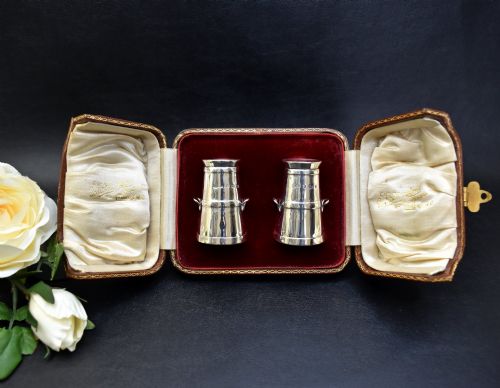
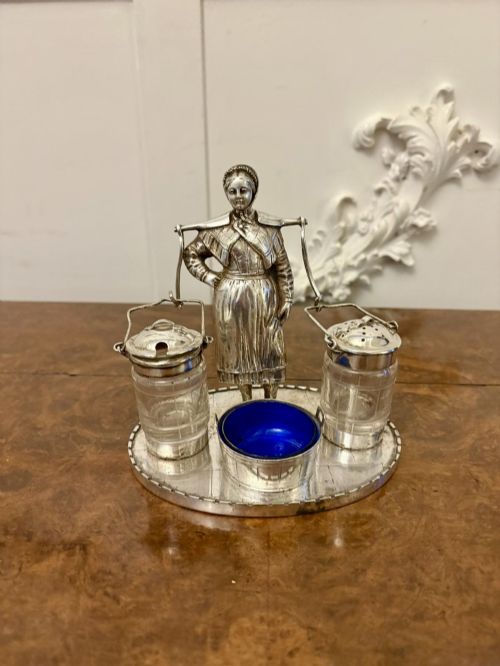
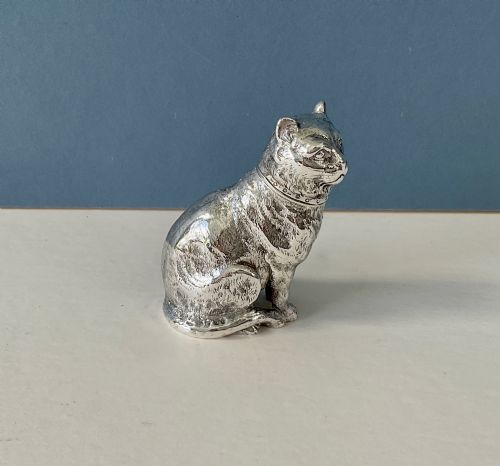
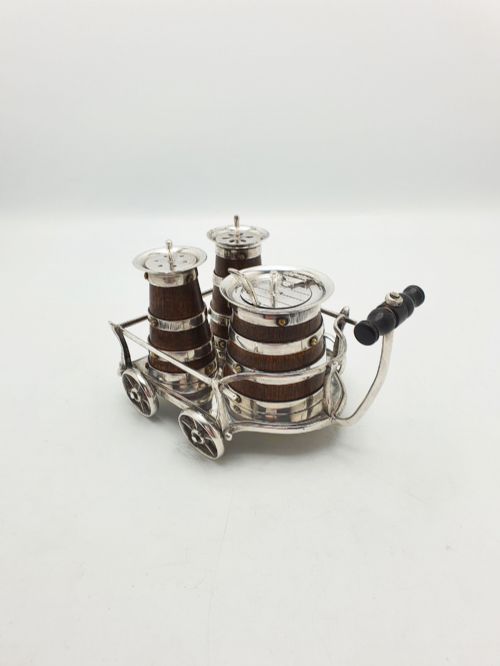
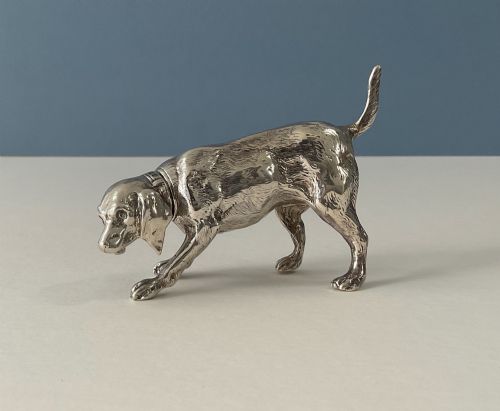
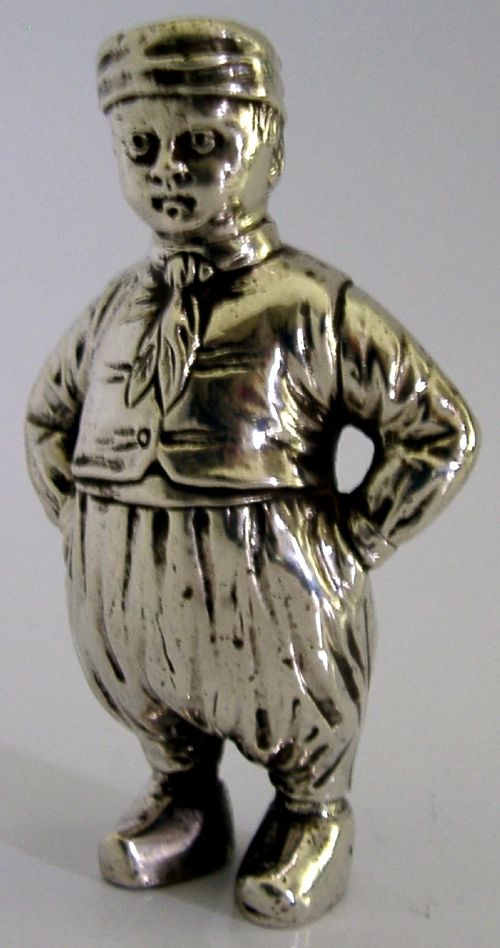
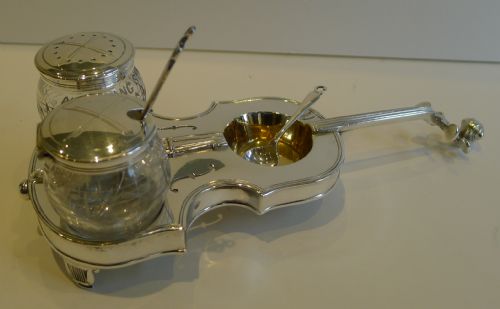
The versions you meet most frequently on this page take the form of birds, such as owls and chicks, alongside domestic and farmyard animals like dogs and cats. Other iterations include barrels, carriages, and musical instruments.
Originating predominantly from the nineteenth and early twentieth centuries, these items span periods from the Victorian era through to the Edwardian years and the mid-twentieth century. They appear as individual pepperettes, matched pairs, or elements within larger cruet sets.
Materials and Techniques
Silversmiths constructed these items primarily from sterling silver, solid silver, and silver plate, frequently incorporating cut glass or oak for structural body components. Leather and pewter also appear in specific utilitarian and decorative contexts.
Makers utilised casting techniques to shape intricate animal figures such as owls, foxes, and pheasants, capturing feather and fur textures in the metal. Pierced work and fine engraving defined the functional shaker apertures and surface details of these diminutive sculptures.
Silver Novelty Pepper Pots Retail Price Guide 2026
Typical asking prices for silver novelty pepper pots among the pieces listed under this phrase on Sellingantiques today, from the lower quarter to the upper quarter. They describe what is for sale here now, not the wider market.
Materials across the selection range from solid sterling silver and silver plate to combinations featuring oak, leather, and glass.
Distinctions in Quality
Maker marks and clear hallmarks contribute significantly to the standing of a piece, separating standard production items from workshop output bearing recognised maker signatures. The structural integrity of hinged filling caps and the preservation of original plating or silver surfaces further distinguish the tier of a piece.
A & J Zimmerman Ltd·Sampson Mordan·Berthold Muller·Mappin & Webb
The Silver Novelty Pepper Pots Glossary
- Pepperette
- A small container designed specifically for dispensing ground pepper, usually cylindrical or figurative in shape. These pots often feature perforated heads or removable bases for refilling.
- Cruet set
- A matched assembly of glass or metal bottles and pots holding condiments like oil, vinegar, salt, and pepper. They frequently sit within a dedicated silver or plated frame.
- Hallmark
- An official stamp applied to precious metals indicating the standard of purity, the assay office, and the date letter. These marks provide historical verification for British silver items.
- Cast silver
- Molten metal poured into a mould to create three-dimensional objects with substantial weight. This technique allows for the creation of heavy, solid animal figures.
- Silver plate
- A thin layer of silver bonded to a base metal such as copper or Britannia metal. This process produced decorative tableware at a more accessible cost during the nineteenth century.
Silver Novelty Pepper Pots: Frequently Asked Questions
What are silver novelty pepper pots?
These items are small condiment containers shaped to resemble animals, birds, or inanimate objects rather than standard shakers. Silversmiths designed them to add humour and conversation to formal dining tables.
They function as individual tableware pieces or form part of larger cruet sets alongside mustard pots and salt cellars.
How were they used on the table?
Dinners guests or hosts used them to dispense ground pepper over meals from perforated heads or removable sections. Their whimsical designs often prompted interaction and amusement during Victorian and Edwardian dining.
Many doubled as decorative ornaments when not actively in use during a meal.
How do I identify the period?
Hallmarks stamped onto the metal provide the most reliable date indicators, showing assay office symbols and date letters. Stylistic traits also point to specific eras, such as naturalistic bird forms from the late nineteenth century.
Material choices like heavy cast silver versus silver plate help distinguish manufacturing decades.
How should I care for them?
Gentle cleaning with a soft cloth prevents damage to delicate chased details and surface plating. Avoid harsh chemical dips that strip away desirable patination built up over decades.
Store them away from direct moisture to protect internal components and any secondary materials like glass or oak.