
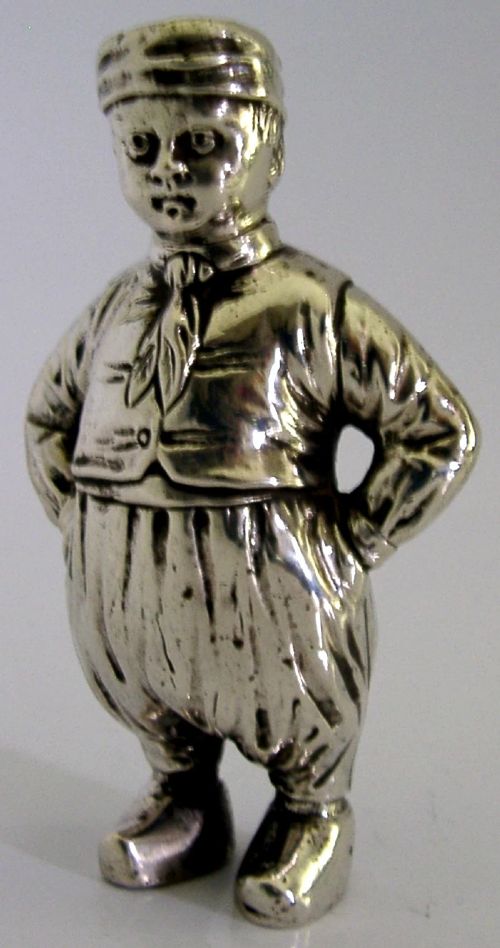


Silver Novelty Pepper Caster
These silver novelty pepper casters bring charm to the table, taking the form of animals, birds and whimsical figures designed to hold and dispense spice.
Silver Novelty Pepper Caster
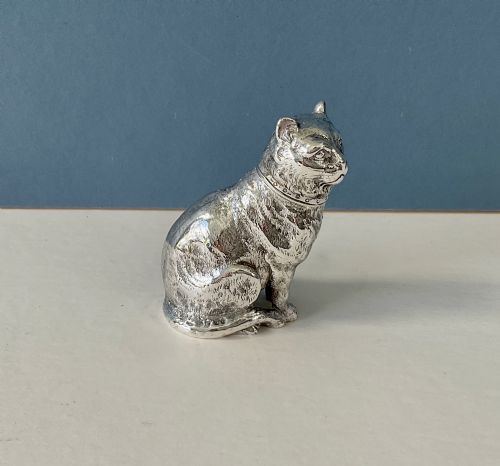
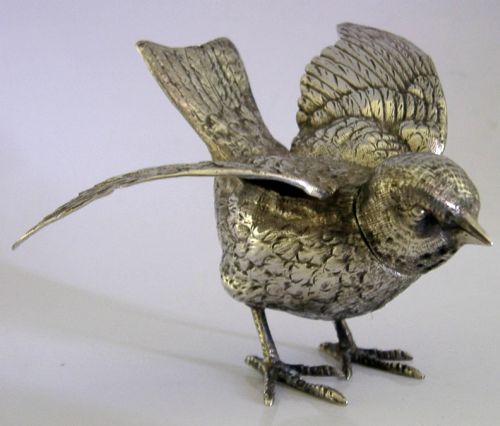
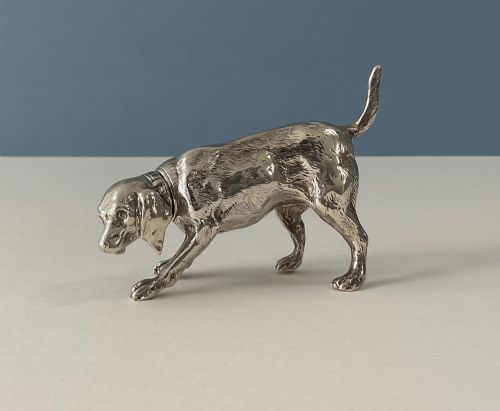
A silver novelty pepper caster takes the shape of living creatures and objects, moving far beyond standard domestic tableware. When searching for a silver novelty pepper caster, buyers encounter playful designs modelled as owls, dogs, cats, birds and human figures.
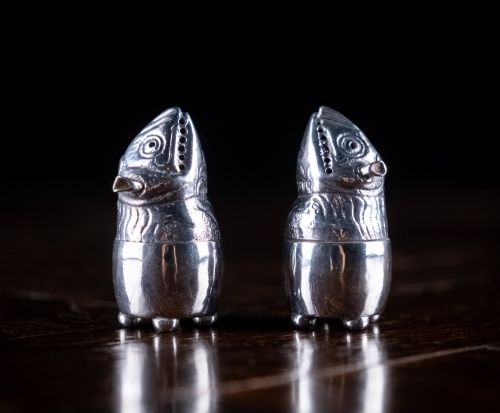
Forms range from single pepper pots and pepperettes to matched pairs and full condiment or cruet sets. Animal figures dominate the selection, particularly birds such as chicks, owls and pheasants alongside domestic pets.
Materials and construction
Silversmiths utilised sterling silver and solid silver for the primary body of each caster, frequently employing casting techniques to achieve detailed figural shapes. Many pieces also appear in silver plate over base metal, utilising applied gilt highlights on interior or exterior surfaces.
Makers constructed these functional ornaments with removable heads, wings or bases to allow easy refilling of the spice chamber. Pierced holes in the beak, head or top surface distribute the ground pepper, while maker marks and date letters are typically stamped underneath.
Mr Punch's faithful dog Toby stands ready to dispense table pepper.
Determinants of quality
Weight and structural integrity distinguish finer examples from standard production. Well-made casters maintain a balanced stance on their feet or bases, with tight-fitting removable sections that align correctly with the body.
Frederick Brasted·Thomas Johnson·Berthold Muller·Mappin & Webb
The Silver Novelty Pepper Caster Glossary
- Pepperette
- A small container specifically designed for dispensing ground pepper at the dining table. These tubular or figural vessels often feature perforated tops.
- Cruet set
- A matched group of condiment containers holding items such as pepper, salt and mustard. They frequently sit together on a small silver stand or tray.
- Sterling silver
- An alloy consisting of pure silver and other metals, usually copper, conforming to a strict purity standard. This metal forms the body of most antique pepper pots.
- Silver plate
- A base metal object coated with a thin layer of silver through electroplating or older fusion methods. This technique allowed makers to produce ornamental items at a lower cost.
- Gilt
- A thin layer of gold applied to the surface of silver, often seen inside the cavity of a pepper pot. This coating protected the metal from the corrosive oils of spices.
Silver Novelty Pepper Caster: Frequently Asked Questions
How do you refill a figural pepper pot?
Most figural pepper pots feature a detachable head, wings or base that pulls apart from the main body. The spice is poured directly into the hollow interior before securing the section back in place.
Some older examples utilise a threaded screw mechanism, while others rely on a snug friction fit. Care must be taken with antique hinges and seams when opening these delicate vessels.
Were these pepper pots used daily?
Victorian and Edwardian households placed these novelties on dining tables during formal meals and daily dinners. They served both a practical seasoning function and a decorative purpose to amuse guests.
Over time, many of these small items transitioned into cabinet display pieces for collectors. Their miniature scale made them popular decorative accents for sideboards and breakfast tables alike.
How do you clean antique silver casters?
Cleaning requires a soft microfibre cloth and a mild silver polish formulated to preserve antique patinas. Harsh abrasive pastes must be avoided to prevent wearing away delicate hand-chased details on the surface.
Special care is needed around pierced holes in beaks or heads where polish residue can become trapped. Rinsing with warm water and drying immediately keeps the metal bright without damaging internal components.
Are marked silver pepper pots rare?
British silver pieces typically bear hallmarks indicating the maker, assay office and year of manufacture. Stamped marks provide clear provenance, though foreign imports and plated versions often feature different markings.
Unmarked pieces rely on style, material and construction techniques to determine their approximate age and origin. Continental silver items frequently display standard numerical purity marks rather than traditional city hallmarks.