

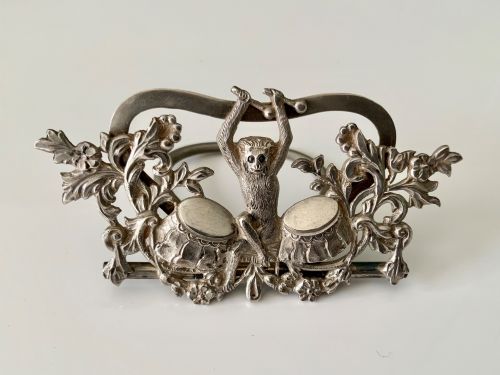


Silver Novelty Ornaments
Silver novelty ornaments are playful miniature forms crafted in sterling silver, designed to bring wit and utility to desk spaces.
Silver Novelty Ornaments
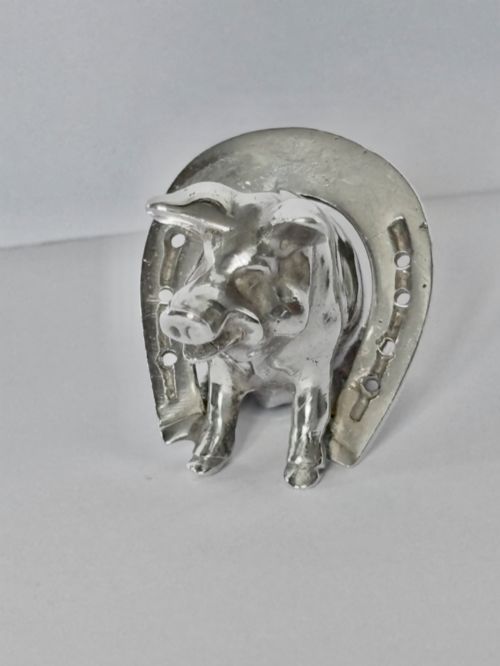
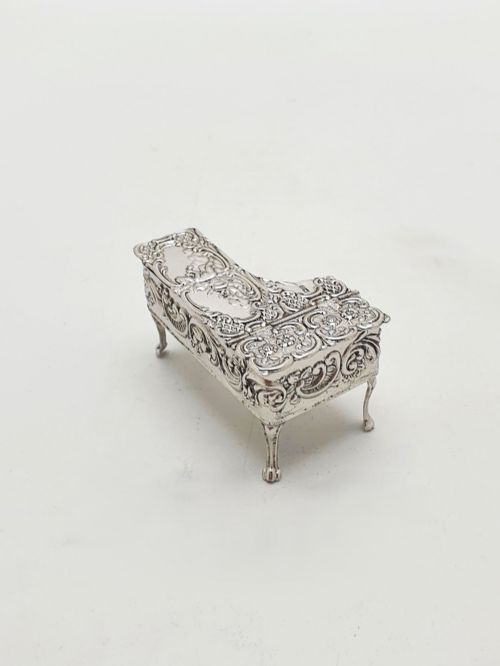
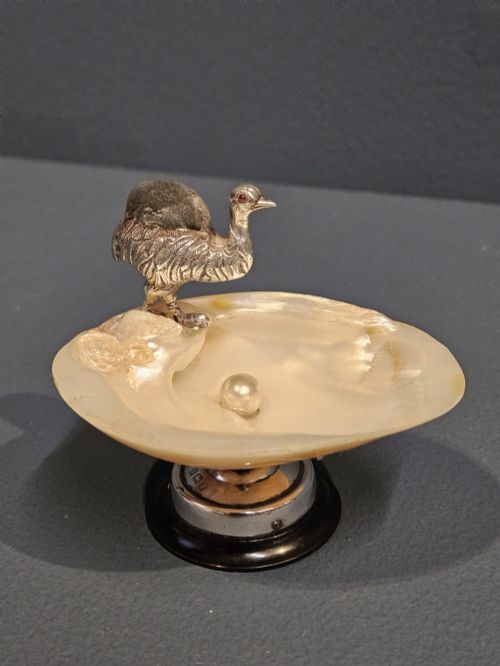
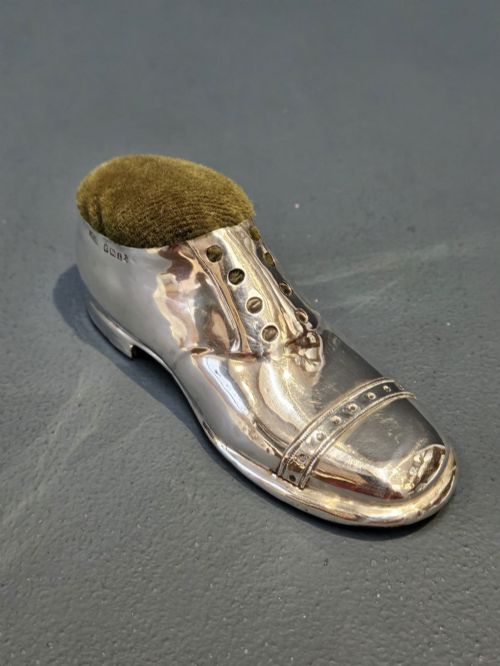
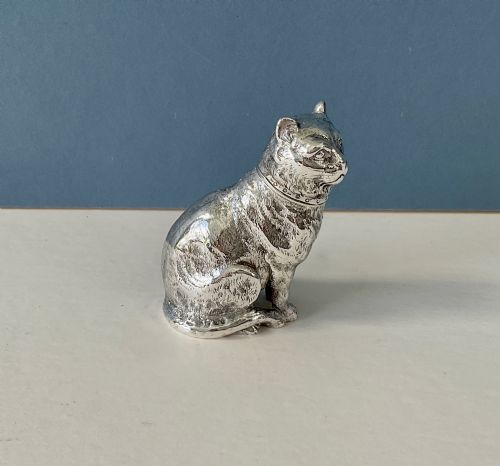
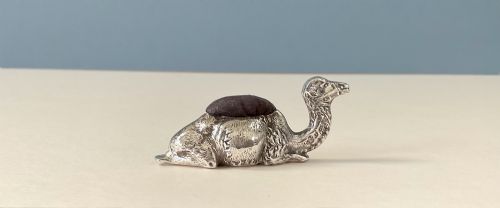
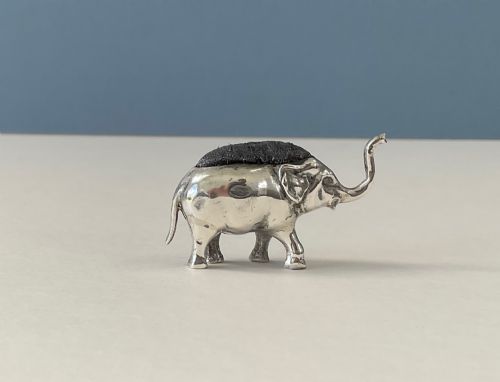
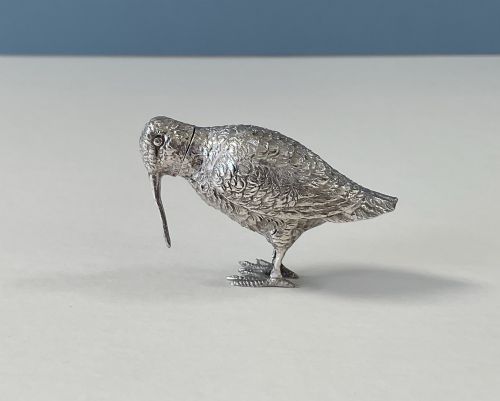
Silver novelty ornaments encompass a wide range of functional and decorative items modelled as animals, birds, and transport forms. When searching for silver novelty ornaments, collectors frequently encounter Edwardian pin cushions shaped as animals alongside Victorian pepper pots.
The inventory on this page spans the Victorian and Edwardian eras into the Art Deco period, featuring smaller desk accessories and table figures. Common forms include miniature chairs, pill boxes, inkstands, and menu holders.
Makers utilised familiar creatures and domestic objects to amuse the user while maintaining practical purposes such as holding pins or dispensing condiments.
Assessing quality in novelty silver
Quality rests upon the crispness of the casting and the naturalism or charm of the animal form. Pieces that capture realistic postures or witty expressions without losing structural integrity stand apart.
The preservation of original surface details, hallmarks, and integrated elements like velvet inserts or functioning hinges determines the desirability of an item among collectors.
Silver Novelty Ornaments Retail Price Guide 2026
Typical asking prices for silver novelty ornaments among the pieces listed under this phrase on Sellingantiques today, from the lower quarter to the upper quarter. They describe what is for sale here now, not the wider market.
Boaz Moses·Sampson Mordan
The Silver Novelty Ornaments Glossary
- Sterling silver
- An alloy containing 92.5 percent silver by mass, with the remainder consisting of other metals like copper. This standard composition appears widely across British pieces.
- Pin cushion
- A small domestic object designed to hold pins safely, frequently fashioned in these collections as animals or vehicles. They often feature velvet or fabric padding.
- Sugar box
- A small container for holding sugar lumps, sometimes produced in elaborate animal shapes during the early twentieth century.
- Menu holder
- A weighted desk or table accessory featuring a small clip or slot to display a menu card, often modelled as birds or figures.
- Repoussé
- A metalworking technique where the silversmith hammers the metal from the reverse side to form a raised design in relief.
Silver Novelty Ornaments: Frequently Asked Questions
What were silver novelty ornaments used for?
Many of these pieces served practical daily functions on writing desks and dining tables, acting as inkwells, stamp boxes, pepper pots, or pen wipes.
At the same time, their humorous animal and miniature shapes provided lighthearted amusement and served as conversation starters for Victorian and Edwardian households.
How can I tell the period of a silver novelty ornament?
Dating relies heavily on hallmarks stamped onto the silver, which indicate the assay office, date letter, and maker's mark. Stylistic traits also offer strong clues, such as the naturalistic bird and animal forms typical of the Edwardian era or the geometric lines of Art Deco items.
Examining secondary materials like velvet pads or ebonised wooden bases helps confirm the era of manufacture.
How do I care for antique silver novelty ornaments?
Maintenance requires gentle cleaning with a soft microfiber cloth and a mild silver polish specifically formulated for antiques. Avoid abrasive materials that can wear down delicate chased details or engravings.
Keep pieces away from damp environments to protect integrated elements like velvet, fabric, and ebonised wood.
Are these silver ornaments solid silver?
The listings include solid sterling silver pieces alongside items made from standard silver or featuring silver-plated heads paired with ebonised wood. Hallmarks and silver stamps on the metal surface confirm the exact silver standard used.
Compositions vary by maker and origin, with German and Dutch pieces often bearing distinct purity marks.