
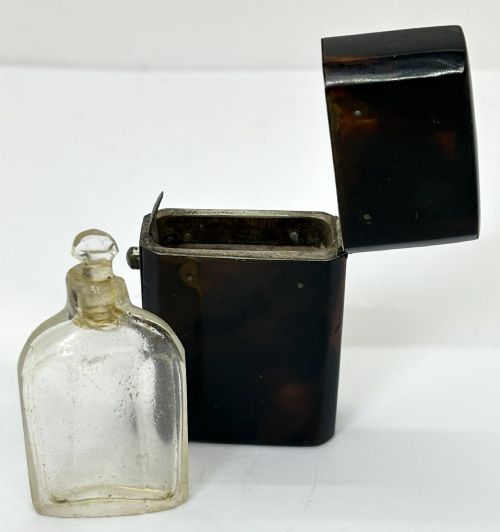


Silver Mounted Scent Flask
When you handle a silver mounted scent flask, you touch a pocket-sized piece of 19th and early 20th century dressing table elegance designed for daily use.
Silver Mounted Scent Flask
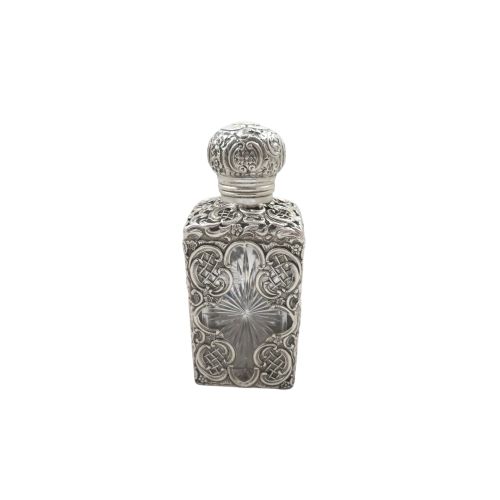
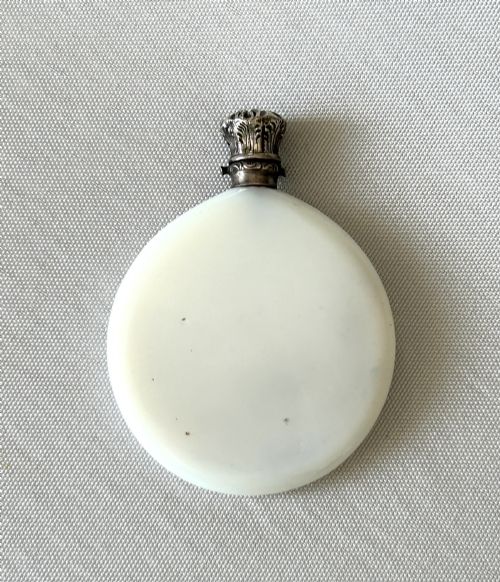
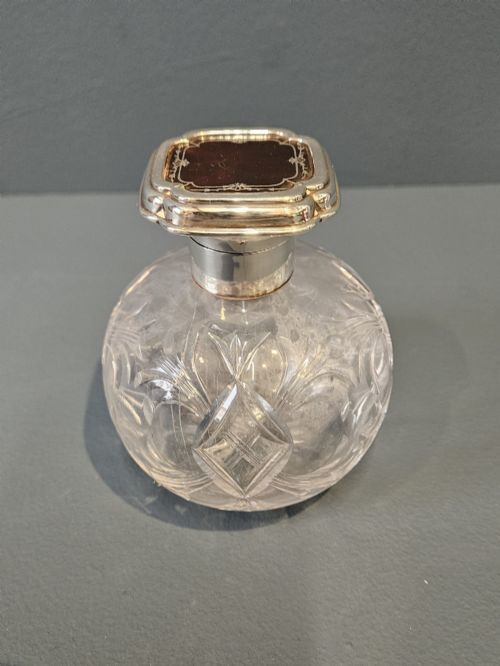
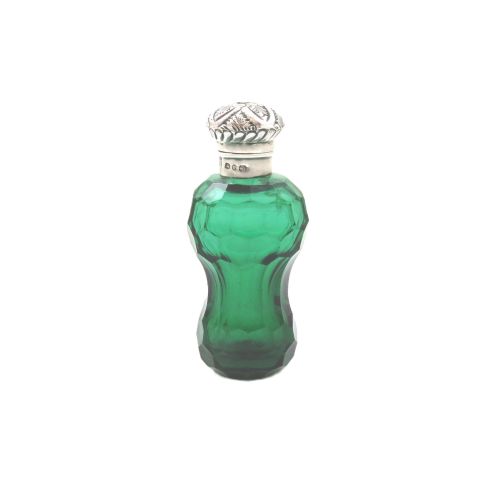
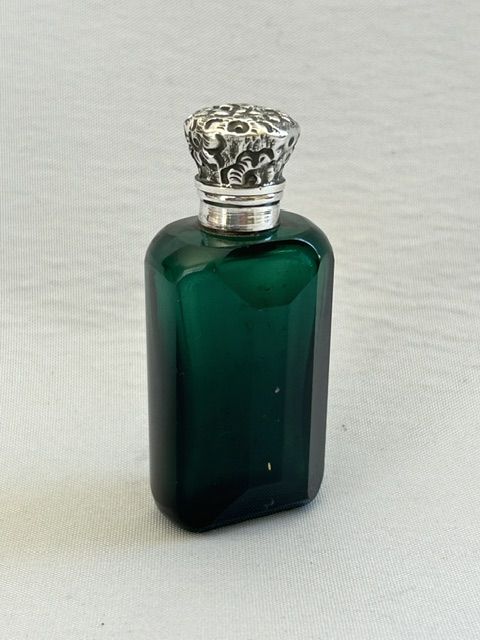
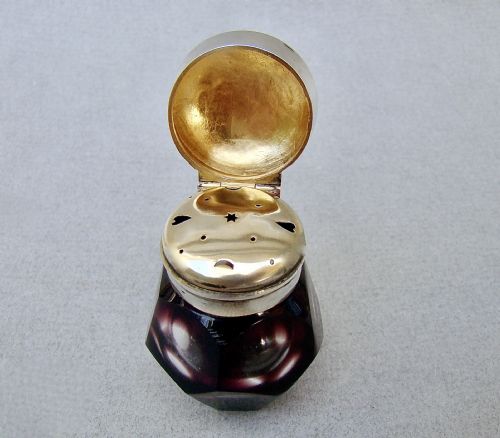
A silver mounted scent flask is a portable container designed for carrying perfume or smelling salts, frequently encountered in Victorian, Edwardian, and Georgian forms. Buyers seeking these items will find examples ranging from simple glass bottles with sterling silver lids to elaborate coloured glass vessels with hinged mounts.
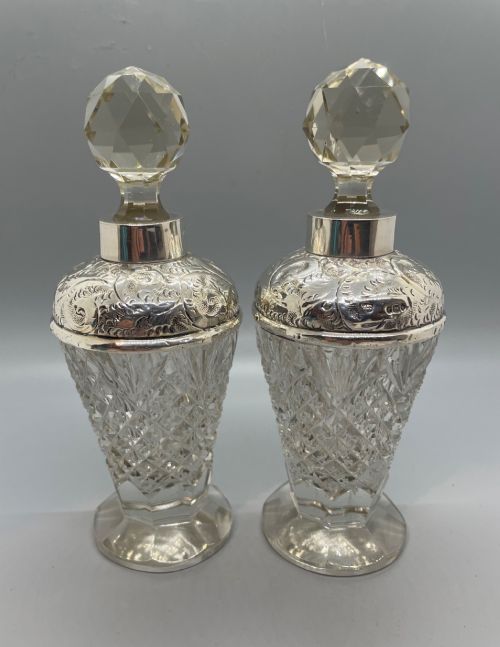
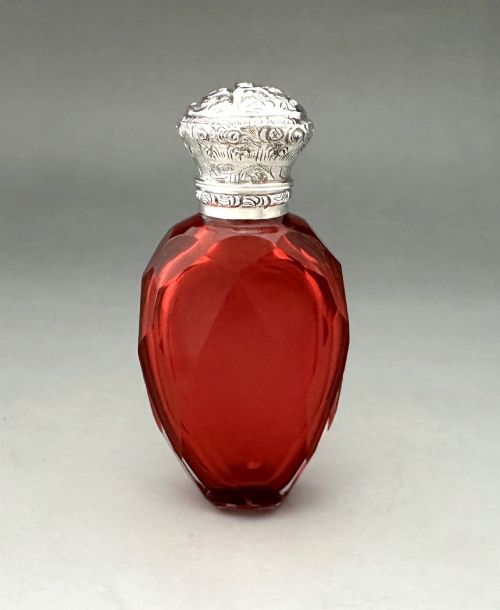
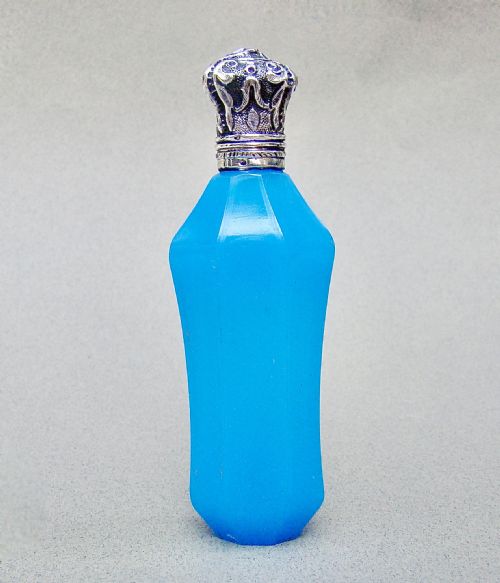
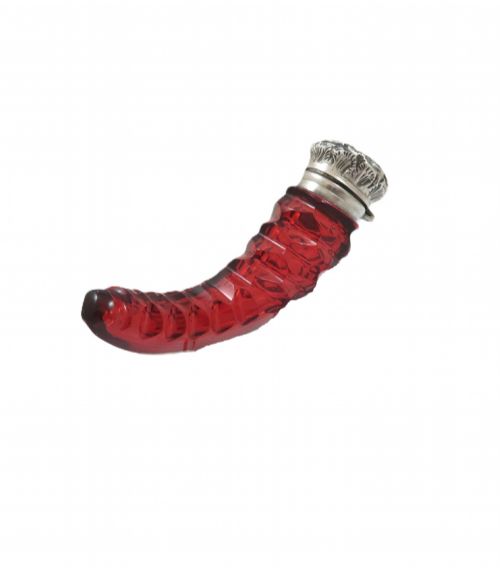
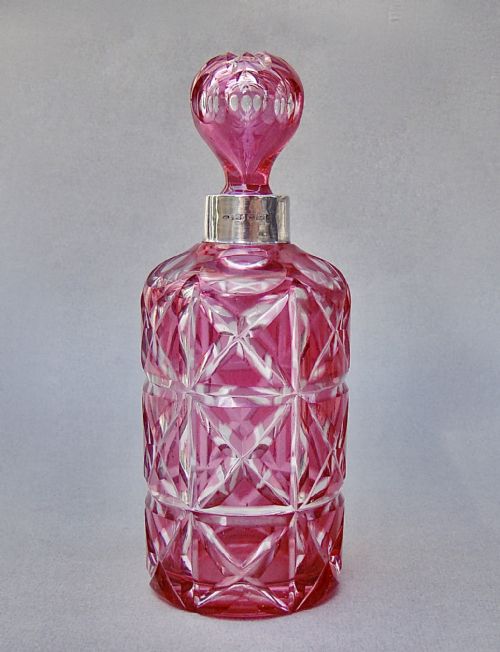
The versions most common on this page combine cut glass, cranberry glass, ruby glass, or opaline glass with solid silver collars and caps. Forms extend beyond standard bottles into cornucopia shapes, egg designs, and double-ended configurations intended for pocket or purse.
How they were made
Makers combined glassblowing and lapidary work with traditional silversmithing techniques to produce these flasks. Glass bodies were often mould-blown, cased in colours like cranberry or amethyst, and hand-cut or etched.
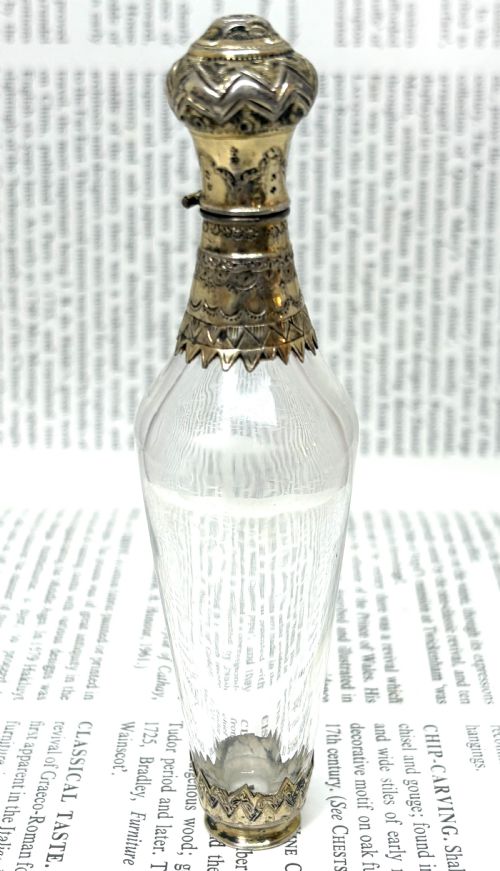
Silver mounts, collars, and hinged lids were stamped or cast, then hallmarked in assay offices such as Birmingham and London. Tortoiseshell, crocodile skin, and silver gilt were also utilised alongside glass to house the inner scent stoppers.
Listings feature Victorian, Edwardian, and Georgian periods alongside French Second Empire examples, utilising materials from cranberry glass to tortoiseshell.
What varies in quality
Quality rests in the weight and clarity of the glass body, the crispness of the hand-cut facets or overlay work, and the substance of the silver mount. Heavy crystal and deeply saturated coloured glass represent the higher tier of production.
The precision of the hinged silver cap and the presence of clear hallmarks indicating specific makers and assay years distinguish finer specimens from standard utility pieces.
Harold Bushell & Co·Barnsley & Co
The Silver Mounted Scent Flask Glossary
- Sterling silver
- An alloy of silver containing 92.5% by mass of silver and 7.5% by mass of other metals, typically copper, standard in British silver mounts.
- Cranberry glass
- A rich red-pink transparent glass created by adding gold chloride to the molten batch, popular in Victorian scent bottles.
- Vinaigrette
- A small ornamental box or bottle with a perforated inner grill soaked in aromatic vinegar, used during the 19th century.
- Double ended
- A scent bottle design featuring two separate compartments accessed from opposite ends, often holding two different perfumes.
- Etui
- A small decorative case used for holding needles, tweezers, and other small toilet instruments alongside scent containers.
- Opaline glass
- An opaque or translucent pastel glass developed in 19th century France and England for dressing table wares.
Silver Mounted Scent Flask: Frequently Asked Questions
What were silver mounted scent flasks used for?
These flasks held liquid perfumes, colognes, or smelling salts for personal freshening throughout the day. Their secure screw or hinged silver caps prevented leaks while carried in pockets, chatelaines, or travelling bags.
Ladies and gentlemen relied on them in public spaces where odours might prove unpleasant or when feeling faint. They remained essential dressing table accessories from the Georgian era through the Edwardian period.
How do I date a silver mounted scent flask?
The most reliable dating method relies on the British hallmarks stamped into the silver mounts. These marks identify the assay office, the specific year letter, and the maker's mark.
Stylistic shifts also help establish age, such as heavy Victorian cut glass, Edwardian cylindrical forms, or earlier Georgian tortoiseshell integration. Comparing the glass colour and decorative motifs against known production periods narrows the timeframe further.
Are the inner glass stoppers usually present?
Many surviving flasks retain their original inner glass or cork-fitted stoppers beneath the outer silver cap. These inner stoppers were crucial for preventing evaporation of volatile perfume oils.
Because they were small and removable, some inner stoppers did not survive centuries of use. Listings note whether an inner stopper remains intact with the bottle.
How should I clean a silver mounted scent flask?
Gentle maintenance preserves both the silver mount and the delicate glass body. Use a soft, dry cloth for the silver and avoid harsh chemical dips that might damage internal seals or glass patination.
If the glass interior requires cleaning, rinse with warm water without submerging historic tortoiseshell or fabric elements. Careful handling ensures the hinges and engraved details remain undamaged.