

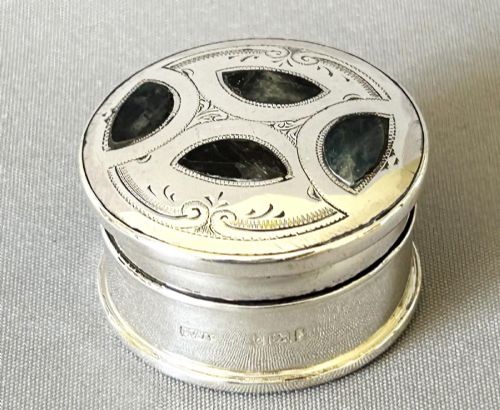
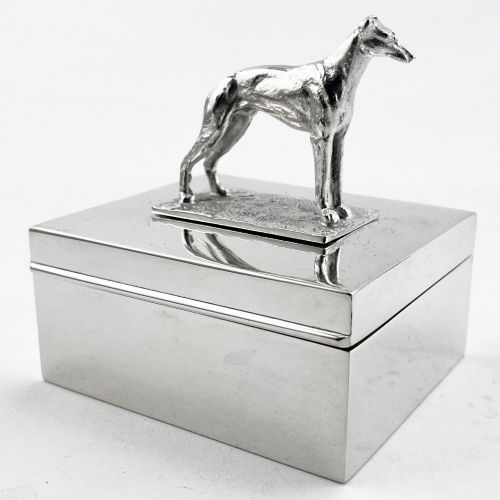
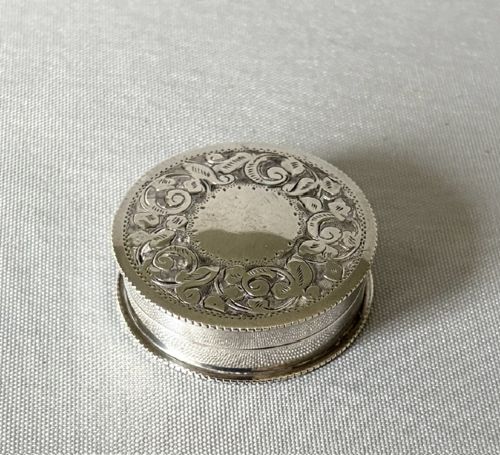
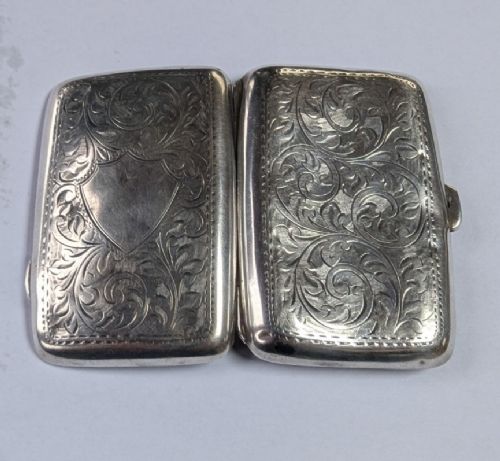


Silver Metal Trinket Box
These silver metal trinket box examples offer neat containment for small keepsakes, ranging from Georgian pocket pieces to Art Deco dressing table containers.
Silver Metal Trinket Box
A silver metal trinket box serves to hold small personal items, spanning diverse forms such as pillboxes, snuff boxes, card cases, and larger jewellery caskets. When searching this phrase, a buyer meets everything from tiny pocket vinaigrettes to substantial table containers.
The objects originate across multiple periods, with strong representation from the 19th century, Victorian era, Edwardian period, and 1930s. Materials vary from solid sterling silver and silver plate to bronze, pewter, and silvered copper.
Geographic origins stretch from British workshops to French ateliers, Islamic Southeast Asia, and Japan. Forms include circular boxes, rectangular caskets, and figural designs featuring greyhounds or Rococo motifs.
How they were made
Maker techniques combine structural metals like bronze, steel, copper, or base metal with surface treatments such as silver plating, silver gilding, and silvered finishes. Artisans also employed beaten and riveted construction methods.
Decoration often includes hand engraving, cloisonné enamel panels, Scottish agate insertions, and mixed metal work involving silver, gold, and bronze applied to cast or sheet metal bodies.
Silver Metal Trinket Box Retail Price Guide 2026
Typical asking prices for silver metal trinket box among the pieces listed under this phrase on Sellingantiques today, from the lower quarter to the upper quarter. They describe what is for sale here now, not the wider market.
Geographic origins represented include Britain, France, Japan, and Kashmir, with object forms ranging from tobacco boxes to card cases.
What varies in quality
Quality depends on the crispness of surface decoration, whether hand-beaten pewter, engraved silver, or intricate mixed metal work on bronze. The depth and clarity of figural motifs, such as Rococo scenes or animal figures, set finer pieces apart from plain production.
Materials and construction integrity determine the tier of a piece, distinguishing solid silver gilt and substantial French caskets from lighter silver plated or base metal items. Well-fitted lids and intact interior gilt surfaces indicate higher original workmanship.
THOMAS BRADBURY·Walker and Hall
The Silver Metal Trinket Box Glossary
- Vinaigrette
- A small pocket container holding a perforated grill, originally used for a sponge soaked in aromatic vinegar. These tiny boxes date frequently to the 19th century.
- Silver Gilt
- Silver object coated with a thin layer of gold on its surface. This technique provides a warm golden interior or exterior finish.
- Old Sheffield Plate
- An early composite material made by fusing a sheet of silver to a copper base. This method preceded modern electroplating.
- Cloisonné
- Enamel work created by partitioning areas with metal wire fixed to a metal base. The resulting cells are filled with vitreous paste and fired.
- Betel Box
- A container designed to hold ingredients for betel nut chewing. These pieces often originate from Islamic Southeast Asia and feature intricate metalwork.
Silver Metal Trinket Box: Frequently Asked Questions
What fits inside a silver metal trinket box?
These small containers suit rings, cufflinks, pins, pills, and folded cards. Their inner depths accommodate delicate pocket items safely.
Larger caskets hold heavier jewellery or trinkets, while tiny pillboxes and vinaigrettes restrict storage to single miniature items.
How do I care for silver plated boxes?
Keep metal surfaces clean with a soft dry cloth and avoid harsh chemical dips that strip thin plating or gilt layers. Gentle upkeep preserves the underlying detail.
Store them away from damp environments to prevent corrosion on base metals like copper, steel, or pewter beneath the silver finish.
Are these boxes English or continental?
The selection includes both British pieces from periods like the Georgian and Victorian eras, alongside continental examples from French makers.
Origin markings, French silver standards, or regional decorative styles such as Japanese mixed metal or Southeast Asian inlay help identify the source.
What is the difference between solid silver and silver plate?
Solid silver pieces consist of precious metal throughout, often marked with standard purity stamps. Silver plate applies a thin layer of silver over a base metal core such as copper or pewter.
Both methods appear across different eras, influencing the weight and overall composition of the box.