
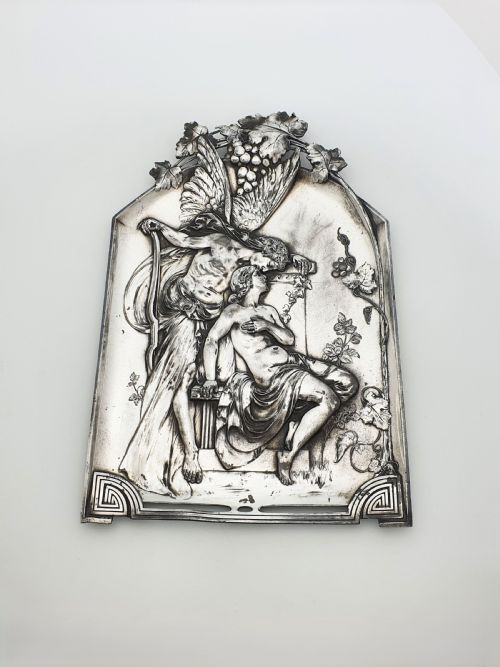


Silver Metal Tray
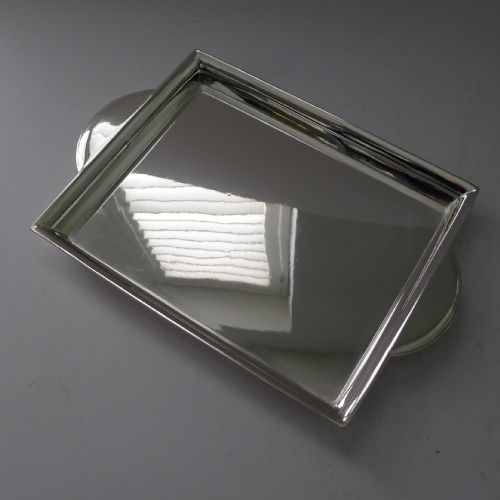
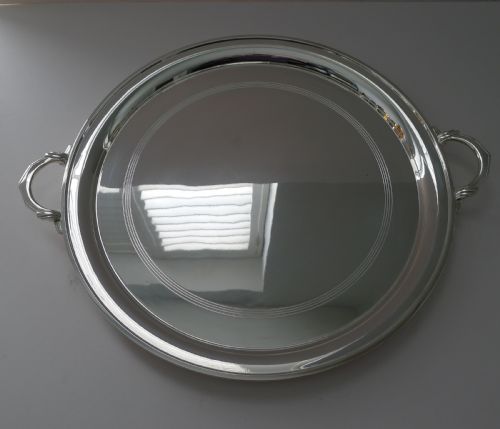
A silver metal tray brings everyday elegance to a table, spanning styles from Victorian ornamentation to clean Art Deco lines.
Silver Metal Tray
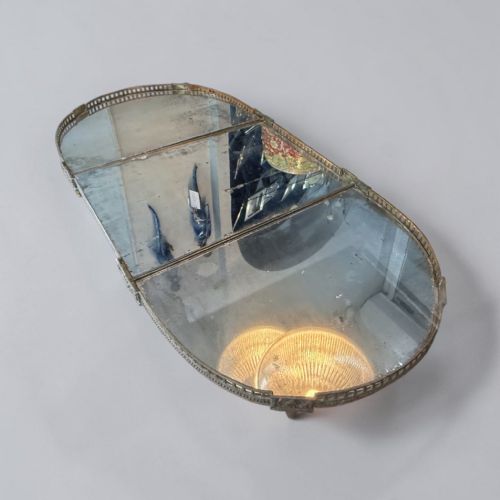
A silver metal tray encompasses serving platters, card trays, salvers, and decorative dishes created across the nineteenth and twentieth centuries. These pieces emerge from periods including the Victorian era, Edwardian years, Art Nouveau, and Art Deco movements, with origins spanning Britain, Europe, and the Middle East.
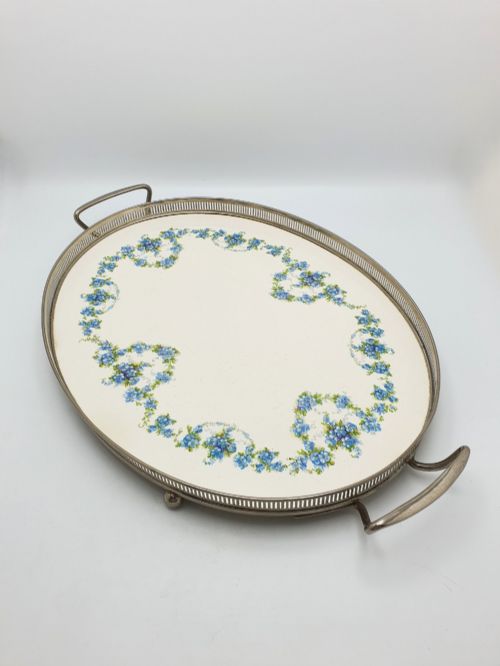
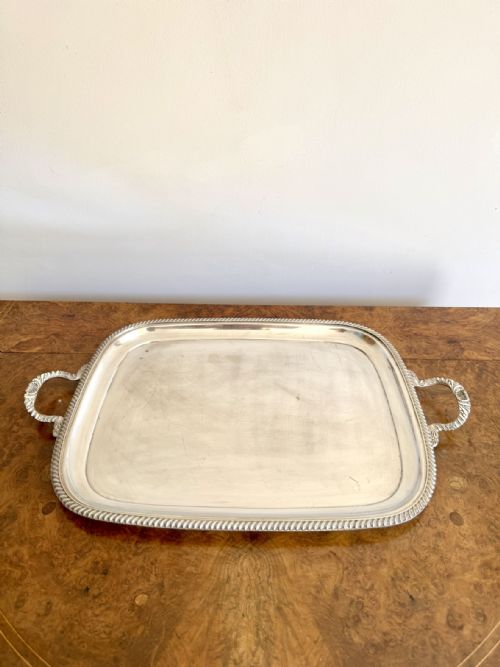
The version most commonly met on this page is the silver plated serving tray or cocktail tray from the early twentieth century. Makers utilise base metals such as copper, pewter, brass, and Britannia metal beneath silver plating to achieve formal grace for domestic use.
Materials and Construction
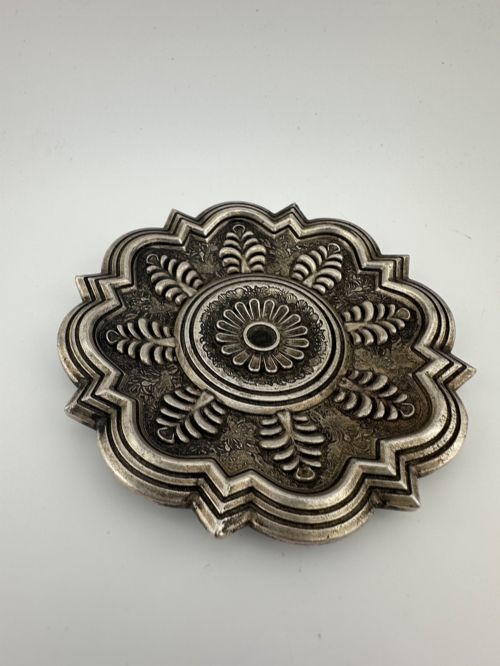
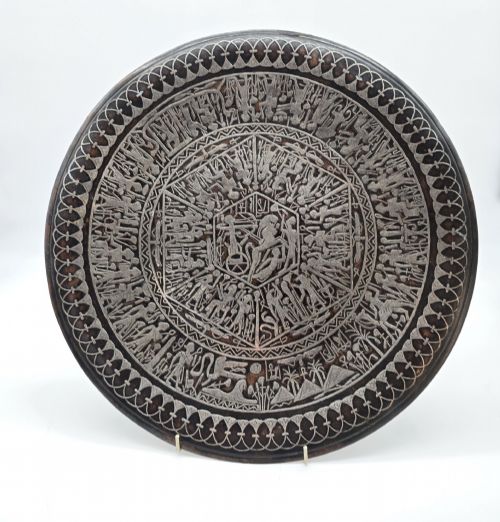
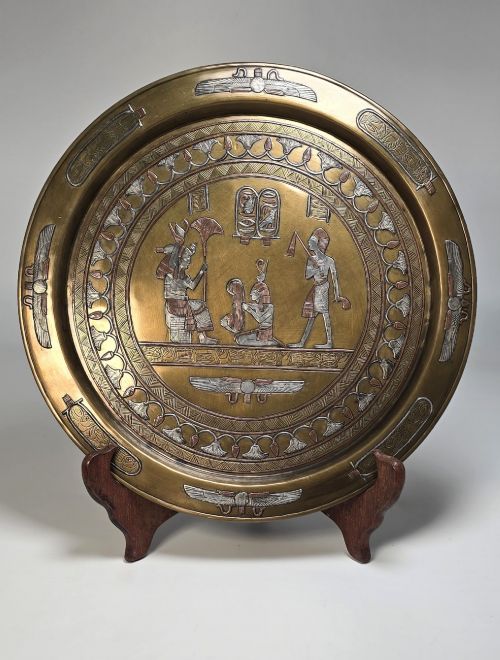
Makers construct these trays using silver plate, Old Sheffield plate, copper, pewter, brass, and nickel silver, often applying hammer marks, piercing, or repoussé work to the surface. Cairo Ware examples combine bronze with silver and copper inlay, whilst other pieces employ nickel plating over base metal.
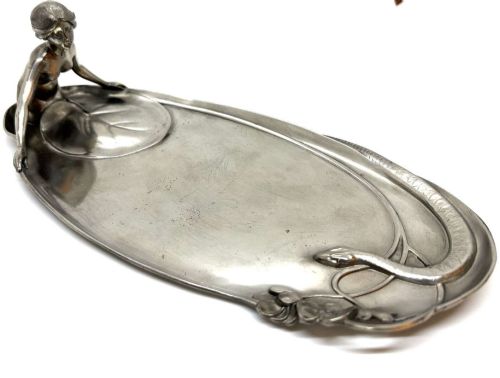
Techniques range from cast figural mounts on pewter and Britannia metal to engraved surfaces and applied shell borders on silver plated brass and copper.
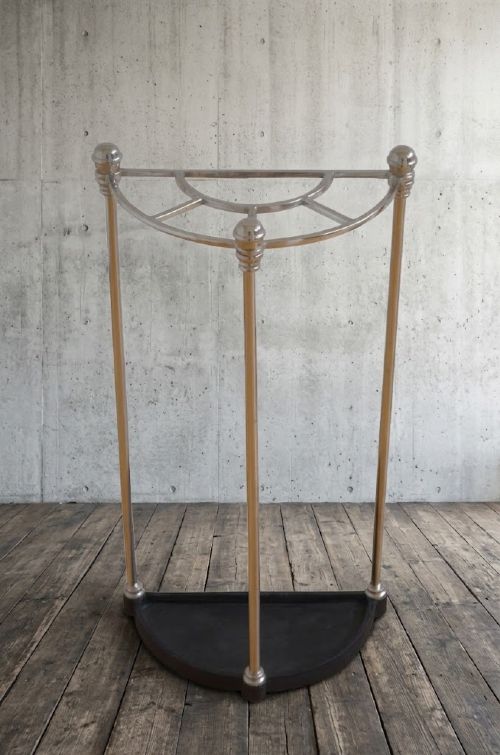
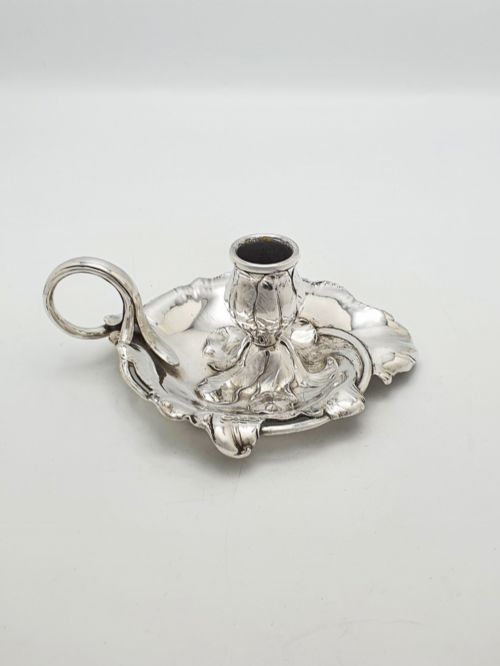
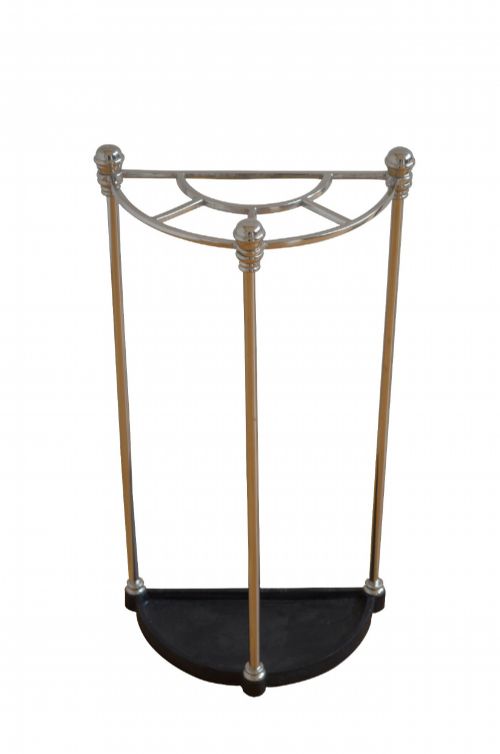
A few unexpected items join the collection, including umbrella stands and chambersticks masquerading in company with the trays.
Craftsmanship and Proportion
Quality rests in the crispness of chased or engraved detail and the integrity of the underlying metal beneath the silver plate. Superior examples display balanced proportions, secure joints on applied handles or rims, and purposeful weight rather than hollow lightness.
The distinction between standard domestic wares and finer studio output appears in the depth of hand-beaten surfaces and the precision of decorative motifs, such as organic Art Nouveau tendrils or geometric Art Deco borders.
WMF·Orivit·Liberty and Co·Hukin and Heath·Mappin and Webb·John Collyer and Co·Padley Parkin·Masayoshi
The Silver Metal Tray Glossary
- Silver Plate
- A thin layer of silver bonded to a base metal such as copper, brass, or Britannia metal. This process allowed makers to offer decorative domestic objects at a more accessible cost than solid silver.
- Cairo Ware
- Metalware originating from Egypt during the late nineteenth and early twentieth centuries, featuring intricate silver and copper inlay on bronze or brass grounds. These pieces were frequently acquired by European travellers on the Grand Tour.
- Old Sheffield Plate
- An early method of fusing a thin sheet of silver to a thicker copper core by heat and pressure. Pieces produced this way often reveal subtle traces of copper showing through along high points of wear.
- Repoussé
- A metalworking technique where the artisan hammers a design from the reverse side to form a raised relief on the front. This method creates tactile floral or figurative patterns across trays and wall chargers.
- Salver
- A flat serving tray, typically raised on small feet, used for presenting drinks, letters, or calling cards. Traditional forms feature engraved centres and shaped or beaded rims.
Silver Metal Tray: Frequently Asked Questions
How do I clean a silver metal tray?
Use a soft cloth and a gentle metal cleaner formulated for silver plate or base metals to preserve the underlying finish.
Avoid abrasive pastes or harsh scrubbing that might wear through the plated surface, particularly on antique copper or pewter items.
Were these trays used for food?
Many serving trays and salvers held glasses, decanters, or calling cards rather than direct food items, especially cocktail and card trays.
Pieces designed with raised rims or compartments served specific social rituals during afternoon tea and evening gatherings.
How can I tell Art Nouveau from Art Deco pieces?
Art Nouveau items display flowing, organic lines inspired by nature, featuring plant stems, leaf forms, and stylized female figures.
Art Deco trays shift toward geometric symmetry, clean linear borders, and streamlined shapes that reflect machinery and modernism.
What is Britannia metal?
Britannia metal is a specific type of tin-based alloy known for its silvery lustre and smooth surface, often used as a base for plating.
It takes casting and shaping exceptionally well, allowing makers to produce ornate handles and decorative rims without excessive weight.