

Silver Menu Cards
Silver menu cards are tabletop accessories that grace formal dining settings, holding cards upright to guide guests.
Silver Menu Cards
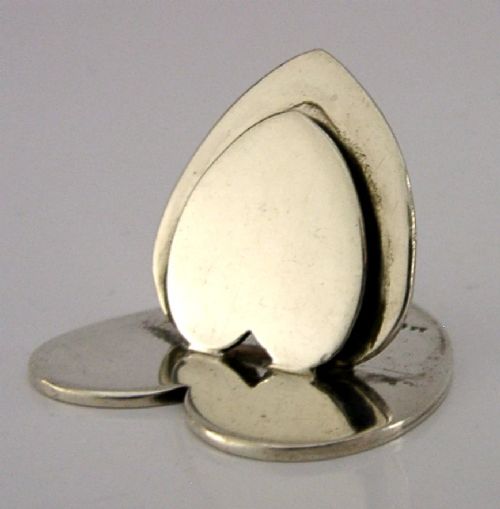
Silver menu cards and holders designate tabletop accessories designed to keep dinner menus and place cards visible during formal meals. When searching for silver menu cards, buyers encounter small upright clips, frames, and figural stands that rest beside dinner plates.
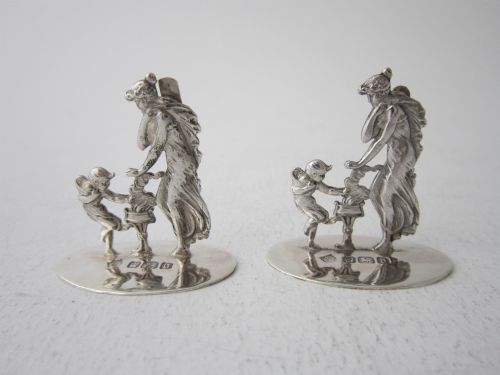
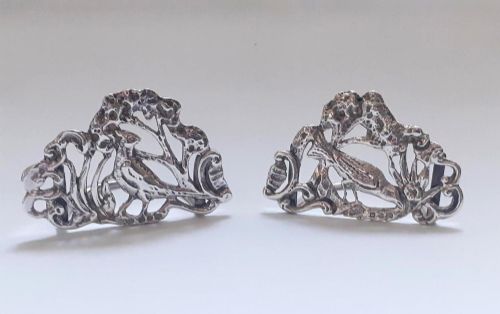
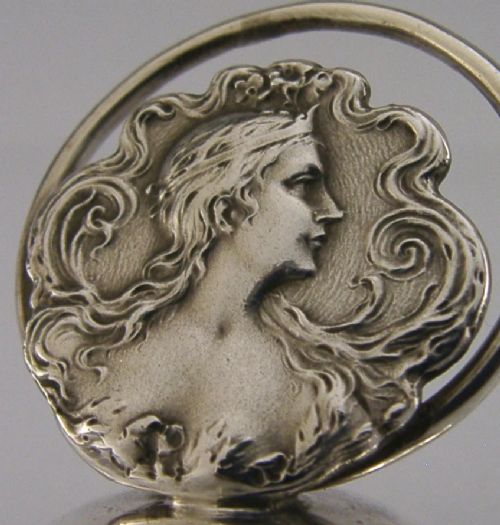
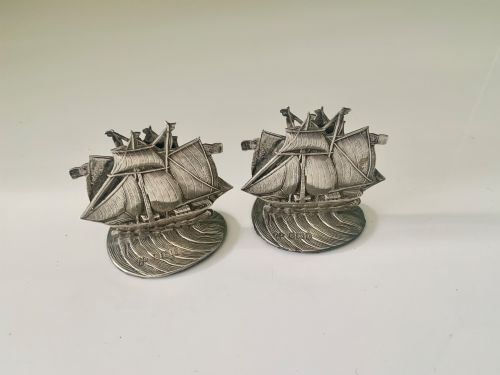
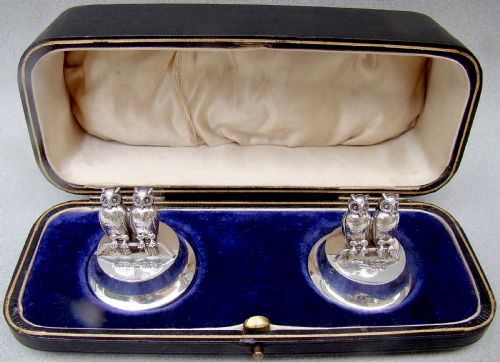
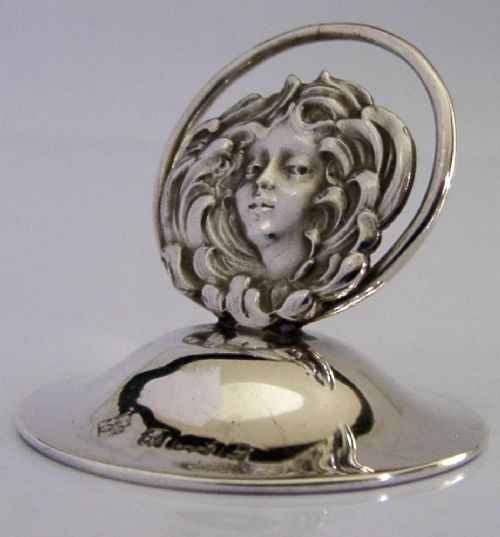
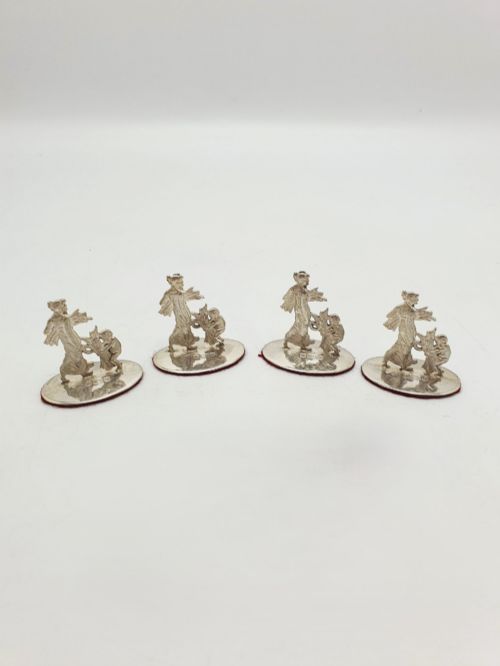
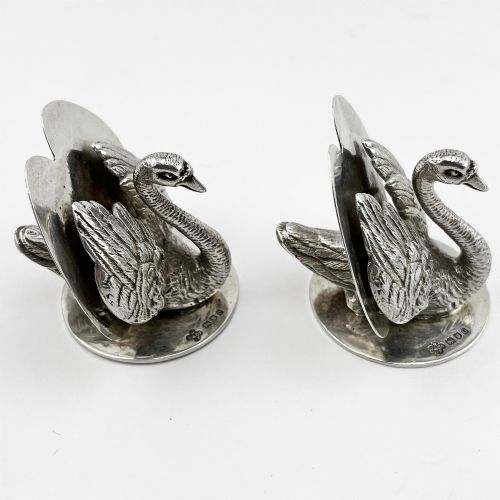
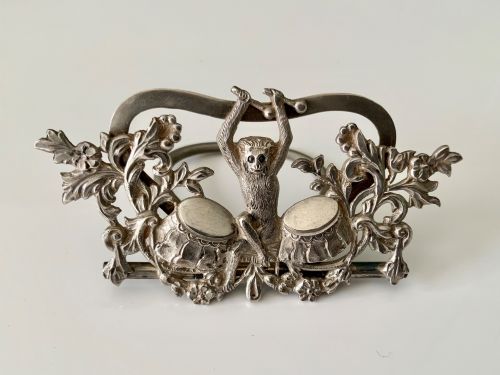
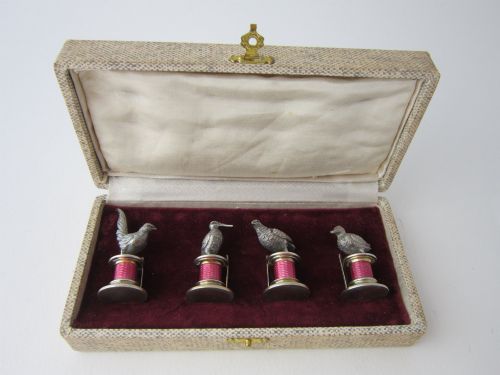
The pieces on this page span the Victorian, Edwardian, and mid-twentieth-century periods, reaching from the nineteenth century through George V and George VI reigns. Formats range from simple weighted bases to elaborate figural depictions including animals, birds, and literary characters.
How They Were Made
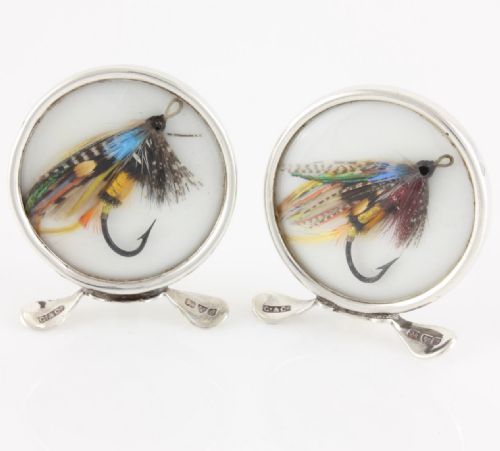
Makers utilised sterling silver and silver plate, often combining metals with enamel, glass, leather, velvet, and silk to create decorative tension. Bases were weighted with lead or loaded resin to prevent the tall paper cards from tipping the silver over.
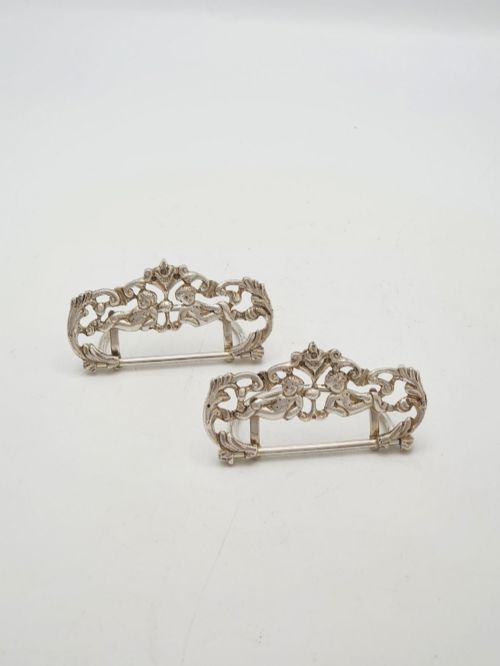
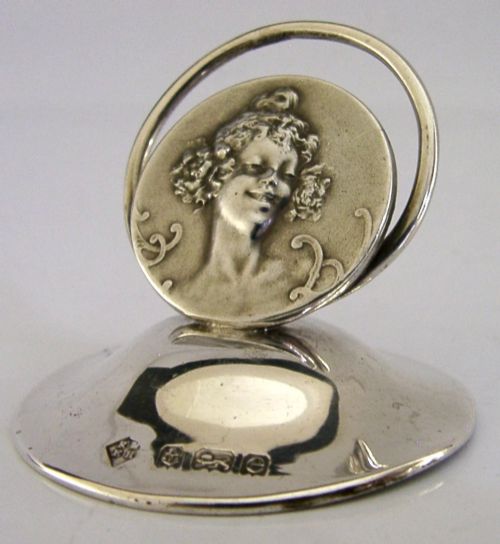
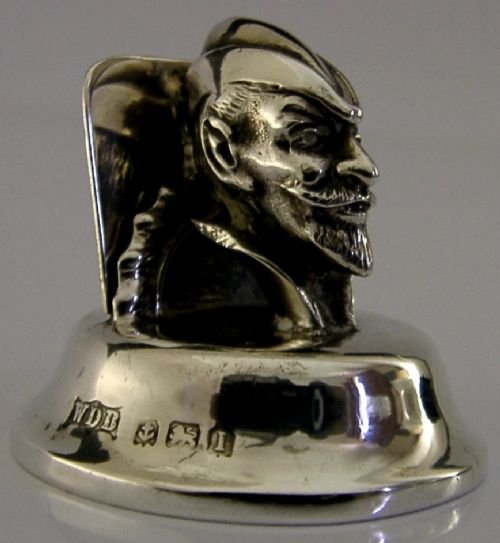
Cast figural elements, chased details, and hand-applied enamel formed the decorative surfaces of Edwardian and Georgian examples. Silversmiths stamped hallmarks onto the reverse or base, recording the assay office, standard, and date of manufacture.
Silver Menu Cards Retail Price Guide 2026
Typical asking prices for silver menu cards among the pieces listed under this phrase on Sellingantiques today, from the lower quarter to the upper quarter. They describe what is for sale here now, not the wider market.
The documented periods span the Victorian, Edwardian, and mid-twentieth century, including the reigns of George V and George VI.
What Varies in Quality
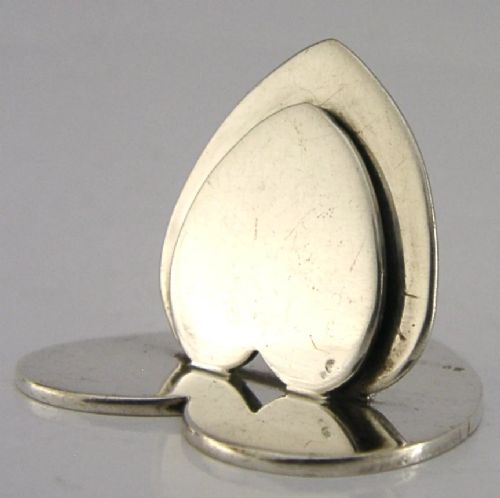
The distinction between ordinary and superior pieces rests on the crispness of the casting and the originality of the subject matter. Standard architectural frames and plain shields sit at the accessible end, while animal figures and literary themes command greater attention.
Completeness of sets and matching hallmarks across multi-piece groupings elevate a collection. Maker attribution to notable workshops adds distinction to the surviving silver.
Sampson Mordan·Levi and Salaman·A. Wilcox·Grey and Co·Asprey·Liberty
The Silver Menu Cards Glossary
- Sterling silver
- A silver alloy containing 92.5 percent pure silver and 7.5 percent other metals, usually copper. This standard composition provides durability for functional tabletop items.
- Hallmark
- A series of official marks stamped onto silver items. These marks indicate the maker, the assay office, the purity standard, and the year of manufacture.
- Loaded base
- A weighted interior fill inside the hollow base of a silver holder. This weight keeps the piece stable when supporting a heavy card.
- Place card holder
- A miniature stand matching the design of menu holders, used specifically to display the name of an individual diner.
- Chasing
- A metalworking technique where a silversmith depresses the front surface with a hammer and punches to raise a design in relief. This creates texture on the metal body.
Silver Menu Cards: Frequently Asked Questions
How were silver menu holders used?
Hosts placed these holders along dining tables to display the evening bill of fare or individual guest names. Guests consulted them between courses to anticipate the upcoming dishes.
Today, collectors repurpose them to display small photographs, recipes, or place cards at dinner parties. Their compact size makes them versatile decorative accents for sideboards and mantels.
How do I care for antique silver holders?
Clean silver gently with a soft microfibre cloth and a reputable silver polish specifically formulated for antiques. Avoid abrasive pastes that wear away thin plating or delicate chasing.
Store pieces in dry conditions away from direct sunlight and high humidity. If the item incorporates velvet, silk, or enamel, keep moisture away from those sensitive inset materials.
Are these pieces sterling silver or plated?
The majority of pieces listed here are fabricated from solid sterling silver, verified by hallmarks stamped into the metal. A smaller portion consists of silver plate over a base metal core.
Examining the underside or edges usually reveals stamped hallmarks for sterling or marks indicating plated manufacture. Plated versions offer similar decorative appeal without the solid silver standard.
What themes are common in these designs?
Makers drew inspiration from nature, literature, and military service when designing these functional objects. Animal figures, birds, owls, and hunting motifs appear frequently across Edwardian examples.
Literary subjects like Alice in Wonderland and Robin Hood also feature in the output of prominent silversmiths. Military insignia and flags reflect specific regimental dining traditions of the era.