
Silver Match Safe Case
A silver match safe case, often called a vesta case, is a pocket container designed to hold matches safely.
Silver Match Safe Case
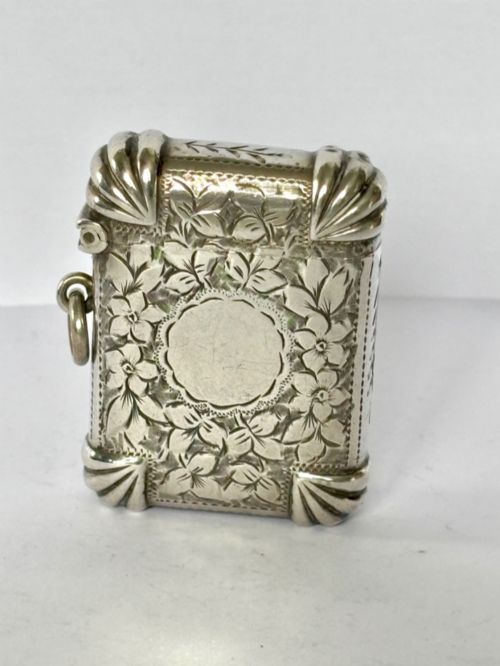
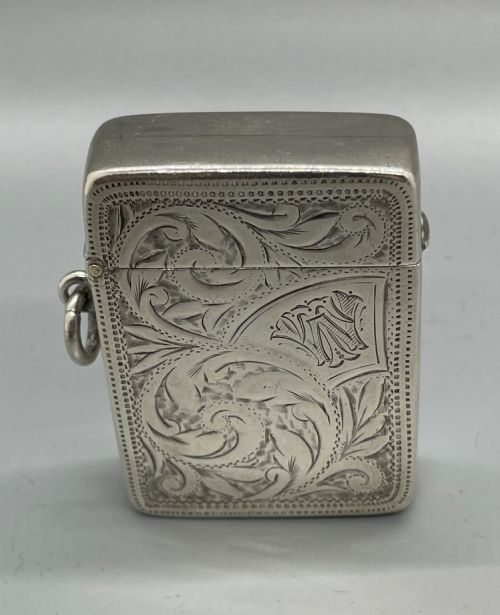
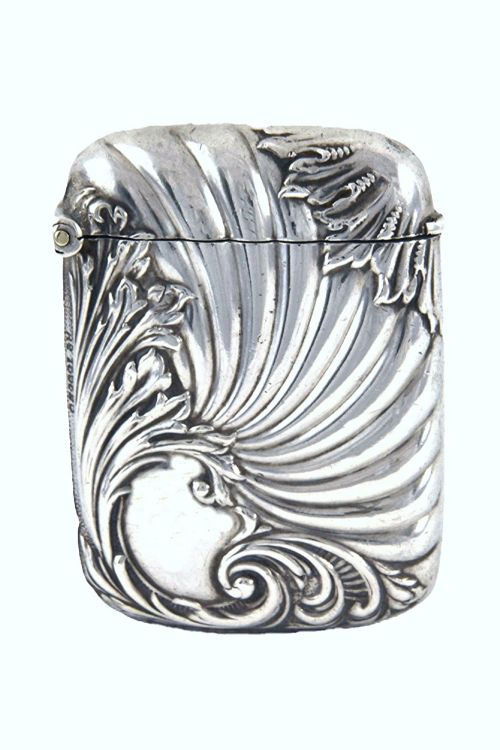
A silver match safe case is primarily encountered in pocket formats dating from the Victorian and Edwardian eras through the George V period. These small portable containers were essential personal accessories utilised for holding matches securely before the widespread availability of safety matches.
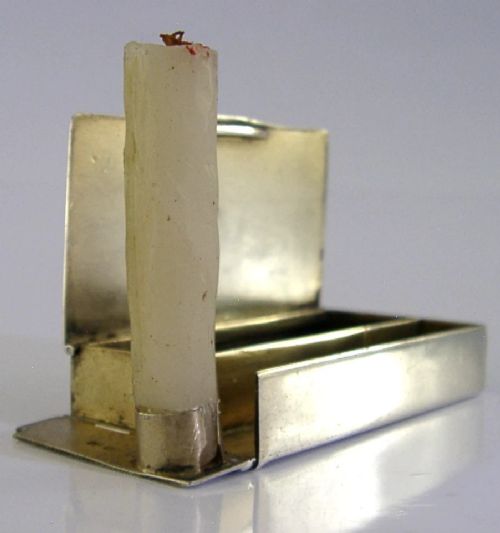
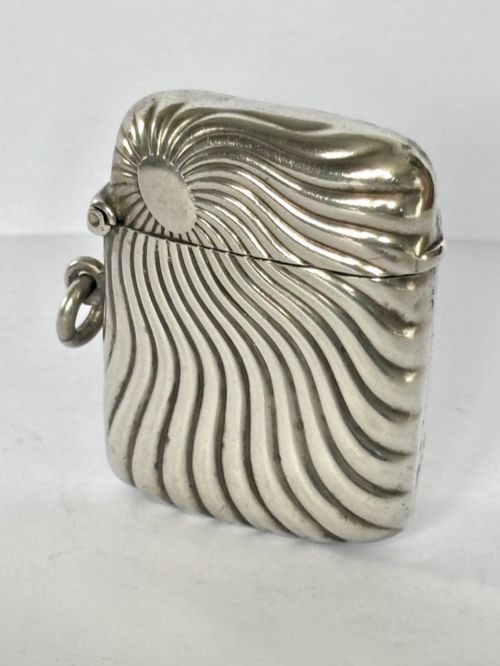
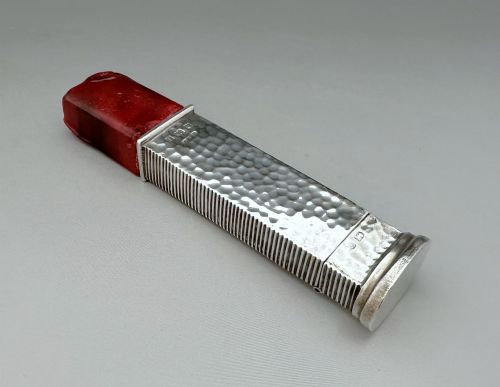
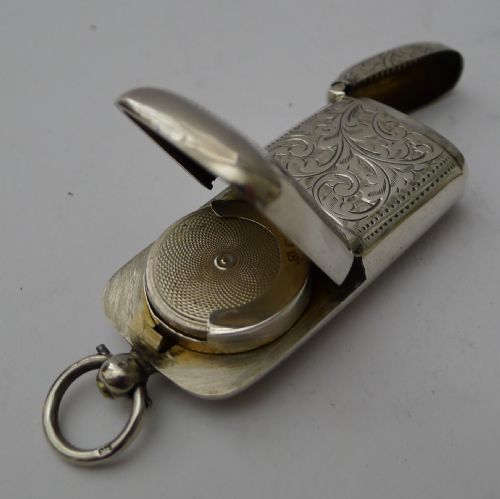
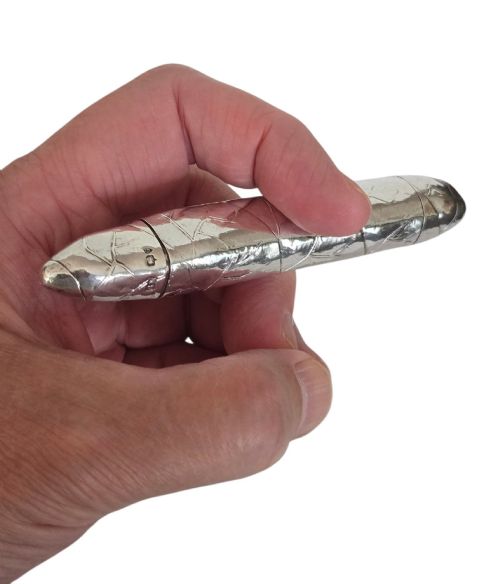
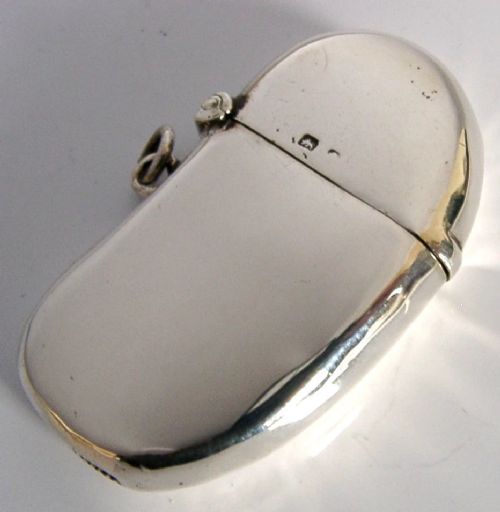
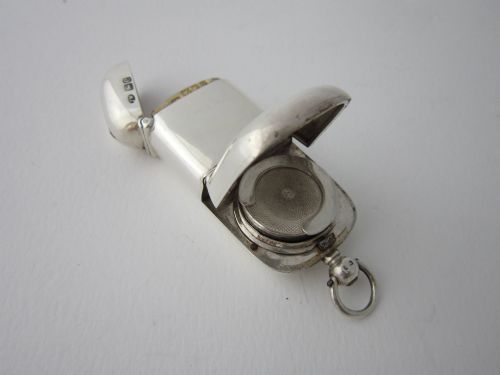
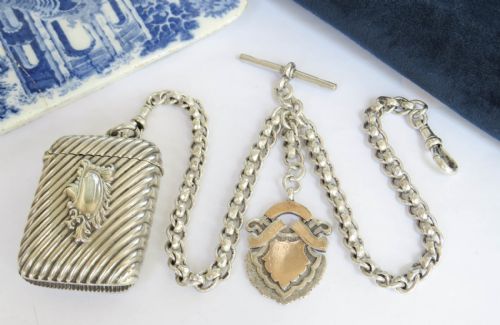
The objects seen on this page span standard rectangular forms as well as specialised combination pieces, such as sovereign cases, watch fobs, and wax taper holders. Novelty shapes modelled as animals, books, or sentry boxes also appear alongside kidney bean and sunburst surface designs.
Most examples originate from British assay offices, with Birmingham and Chester being particularly common centres of manufacture. Continental silver pieces and Chinese export versions occasionally supplement the predominant British sterling output.
Materials and methods of construction
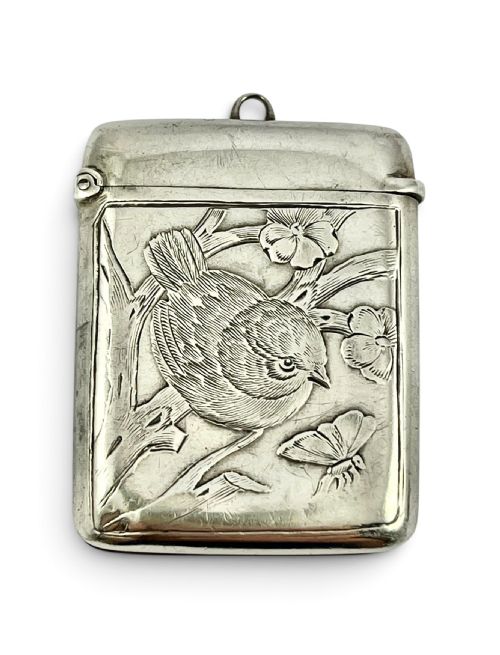
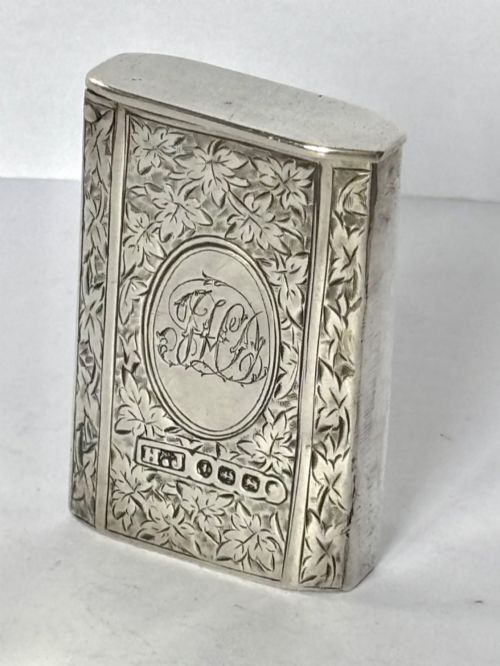
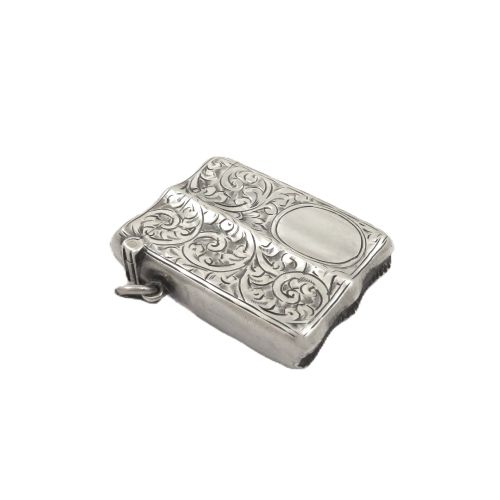
Construction relies heavily on sterling silver and continental silver standards, sometimes enriched with silver gilt or rose gold accents. Surface decoration is frequently achieved through engine turning, crisp chasing, or hand engraving depicting floral motifs, crests, and scenic relief.
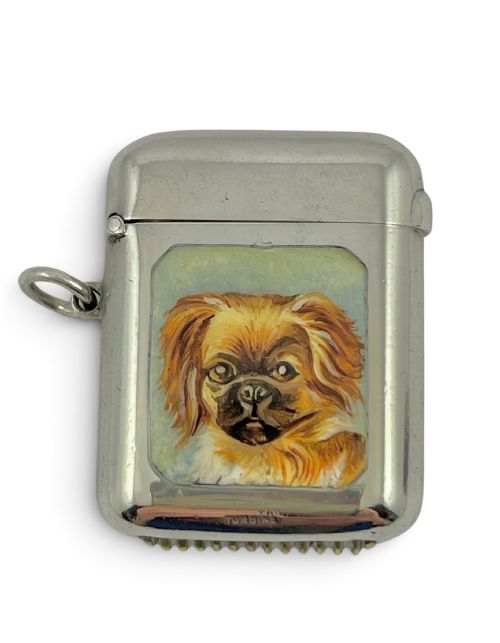
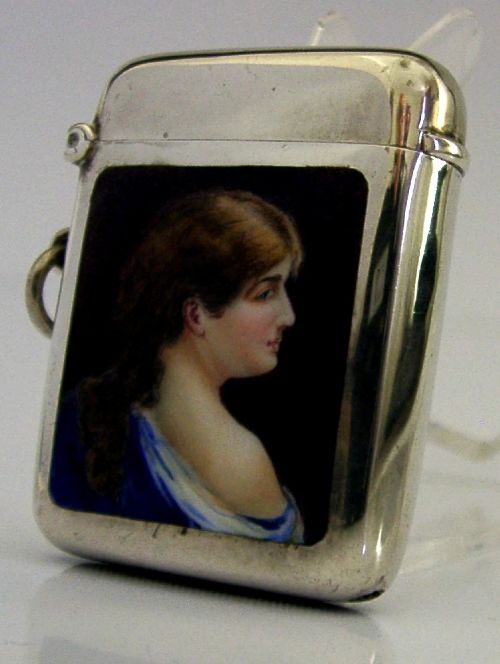
Enamel work, including vitreous enamel and hand-painted miniature panels, adds colourful detail to select specimens. Specialised elements like integrated strikers, hinged flip tops, and internal spring mechanisms demonstrate the technical precision of period silversmiths.
Listings feature items from the Victorian, Edwardian, and Art Deco periods, created in sterling silver, enamel, and rose gold.
Distinctions in craftsmanship and design
The distinction between standard production and top-tier pieces rests on the complexity of form and the crispness of the hand-applied decoration. Novelty shapes and detailed figural subjects require advanced hand-modelling and skill that elevate the piece significantly above plain rectangular boxes.
The presence of undamaged hand-painted enamel, intricate engraving, or combined functionality like a sovereign holder or photograph frame alters the standing of an item. Makers with established workshop reputations also contribute to the distinction of finer examples.
HOWARD JAMES·EV PLEDGE & SON·ROBERT CHANDLER·Sampson Mordan & Co·A & J ZIMMERMAN·William Neale·ROBERT PRINGLE·Alfred Clark·MINSHULL & LATIMER·J.B. BENNET
The Silver Match Safe Case Glossary
- Vesta Case
- A small pocket container designed to hold vestas, which were short matches tipped with phosphorus. These cases typically feature a striated area on the base for striking the match.
- Sterling Silver
- An alloy of silver containing 92.5 percent pure silver and 7.5 percent other metals, usually copper. This standard is verified by hallmark stamps on period items.
- Silver Gilt
- Silver that has been coated with a thin layer of gold on its surface. This technique provides a warm interior or decorative contrast.
- Hallmark
- An official mark stamped onto precious metals by an assay office. It indicates the metal standard, the town of assay, and the date letter for the year of manufacture.
- Wax Taper
- A slender wick coated in wax, used for lighting candles or pipes before the widespread use of electric lighting. Some combination pieces housed these alongside matches.
- Sovereign Case
- A small pocket container specifically sized to hold British gold sovereign coins. These are frequently combined directly with match safes in period accessories.
Silver Match Safe Case: Frequently Asked Questions
What is the difference between a vesta case and a match safe?
A vesta case is the traditional British term for a small pocket container used for matches, while match safe is a more general American term for the same object.
Both terms refer to portable containers featuring a striking surface for lighting vestas on the move.
How do I read the hallmarks on a silver vesta?
Hallmarks typically include a standard mark such as a lion passant for sterling, an assay office mark like an anchor for Birmingham, and a date letter indicating the year.
Additional duty marks or maker's initials help pinpoint the exact workshop and period of production.
Were all match safes made of silver?
While sterling silver and continental silver dominate, these pocket containers were also produced in brass, base metals with silver plating, and occasionally gold.
Enamel, jewels, and rose gold accents were often added to enhance the appearance of silver bodies.
What are combination vesta cases?
Combination pieces integrate the match container with another practical daily accessory, such as a sovereign purse, a watch fob, or a postage stamp holder.
Victorian examples even combined them with photographic frames, small writing tablets, or sealing wax compartments.