





Silver Inlaid Desk
These pieces sold as a silver inlaid desk span multiple periods and forms, offering refined surfaces and decorative metalwork for a traditional workspace.
Silver Inlaid Desk
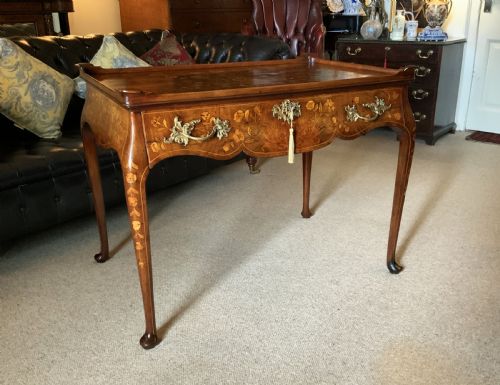
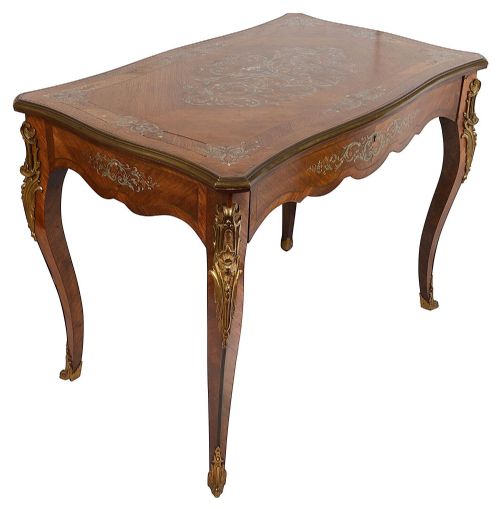
When you search for a silver inlaid desk, you encounter various items designed for writing and display, including side tables, centre tables, stationery boxes, and inkstands.
The pieces on this page originate from the eighteenth century, the Victorian and Edwardian eras, and the Regency period, showcasing styles such as Sheraton, Dutch Rococo, Louis XVI, and Art Deco.
Table lamps, clocks, brush pots, and snuff boxes also appear within this category, reflecting the diverse accessories associated with period writing furniture.
How they were made
Maker construction incorporates fine timbers such as satinwood, walnut, fruitwood, coromandel, and tortoiseshell, providing rich grain patterns as a base for metal embellishment.
Decoration relies on silver mounts, brass details, and stone elements like onyx and lapis lazuli, alongside marquetry and intricate metal work.
Objects utilise specialised techniques to combine organic materials with metal inlays, maintaining structural integrity across tables, boxes, and desk accessories.
Silver Inlaid Desk Retail Price Guide 2026
Typical asking prices for silver inlaid desk among the pieces listed under this phrase on Sellingantiques today, from the lower quarter to the upper quarter. They describe what is for sale here now, not the wider market.
A converted box once held stationery instead of its original contents.
What varies in quality
Quality differentiates through the precision of the silver inlay and the complexity of the underlying marquetry or metal work.
The choice of cabinet timbers, from figured satinwood to dense coromandel, establishes the baseline tier of craftsmanship.
Signed items and documented maker attributions elevate pieces above standard production work from the same era.
Paul Garnier·Rupert Favell
The Silver Inlaid Desk Glossary
- Marquetry
- Decorative veneer work arranged in pictorial or geometric patterns. Craftsmen cut contrasting woods and materials to fit precisely into a prepared ground.
- Satinwood
- A durable hardwood with a lustrous, golden sheen. It is frequently employed in high-end eighteenth-century and nineteenth-century cabinet work.
- Inkstand
- A portable tray or stand holding inkwells, pen rests, and sanders. These items sit upon writing desks for daily correspondence.
- Coromandel
- A dense, heavily figured dark wood native to Asia. It provides a striking contrast when mounted with silver or brass.
Silver Inlaid Desk: Frequently Asked Questions
What is a silver inlaid desk?
A silver inlaid desk or related writing accessory incorporates precious metal wire or sheet into timber surfaces. These objects serve both decorative and practical functions in historic interiors.
Items range from small portable stationery boxes to large centre tables designed for formal reception rooms.
How do I date a piece?
Dating relies on stylistic indicators such as Sheraton or Louis XVI proportions, alongside material choices like coromandel or satinwood. Hallmarks on silver mounts provide specific year markers where present.
Construction methods and secondary woods inside drawers also help distinguish eighteenth-century examples from Edwardian reproductions.
Where were these pieces used?
These items belonged in private libraries, drawing rooms, and boudoirs where letter writing and estate management took place. Smaller pieces rested on larger writing tables.
Clocks and inkstands organised the desktop and provided functional utility for the household.
How do I care for inlaid surfaces?
Maintain wood and metal components by avoiding direct sunlight and excessive humidity. Gentle dusting preserves the finish without wearing down delicate silver wire.
Apply specialised wax sparingly to nourish timbers like satinwood and walnut without disturbing the inlay.