
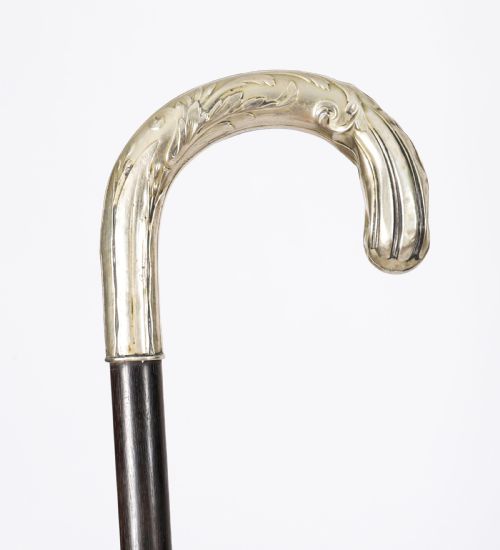


Silver Handle Stick
A silver handle stick is a functional support piece turned statement accessory, pairing metalwork with carved shafts.
Silver Handle Stick
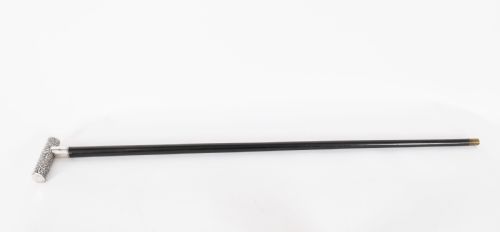
A silver handle stick serves as both a traditional walking aid and a decorative accessory, with examples ranging from simple mounted shafts to complex gadget sticks containing blades or snuff boxes. When searching for a silver handle stick, buyers encounter various forms including standard walking canes, parasol handles, and specialised military or golf-related sticks.
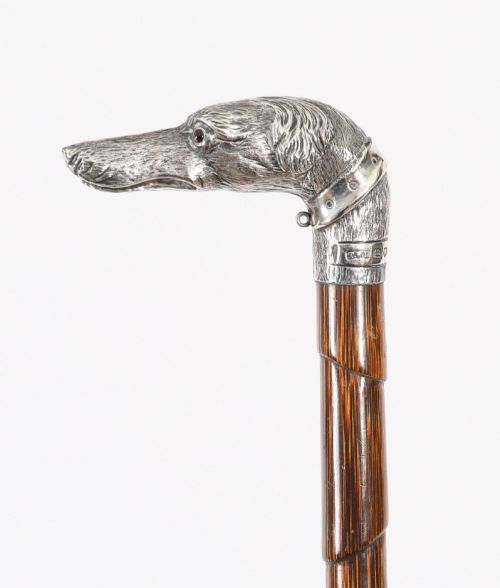
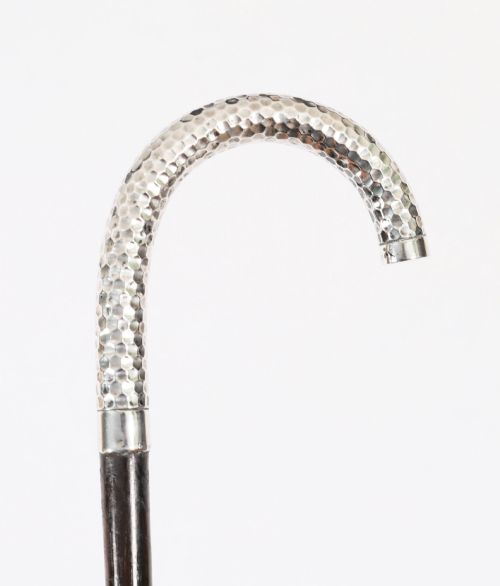
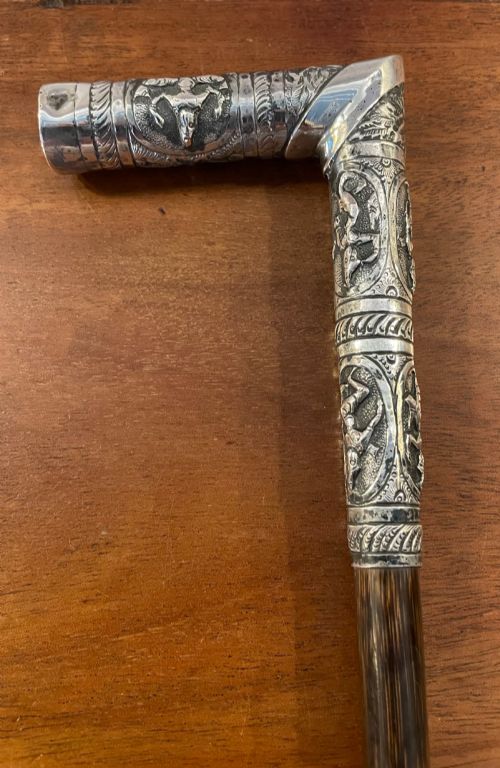
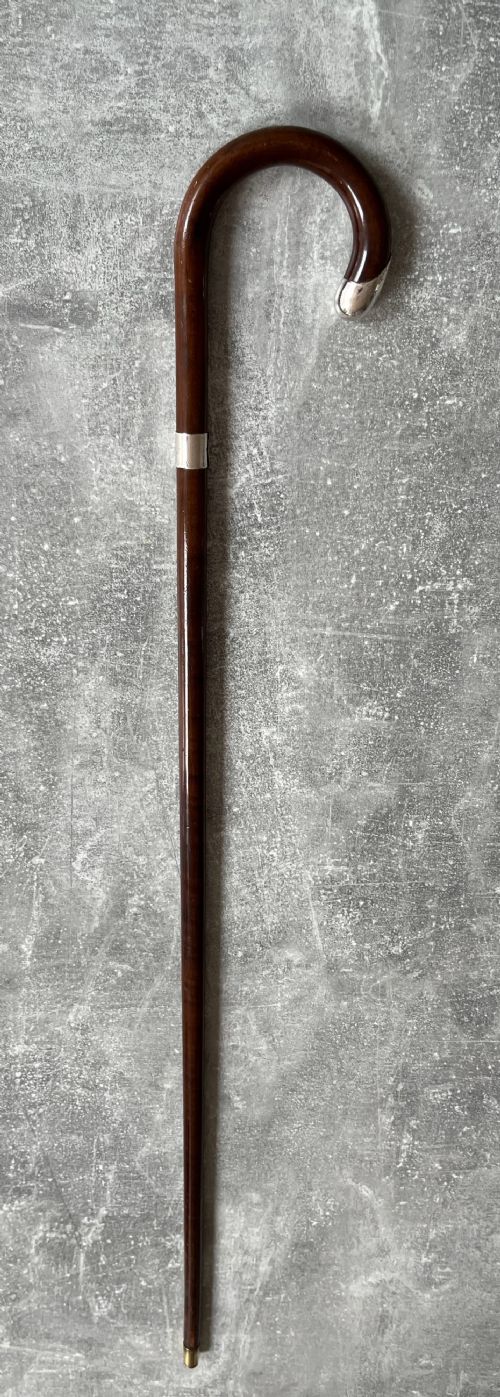
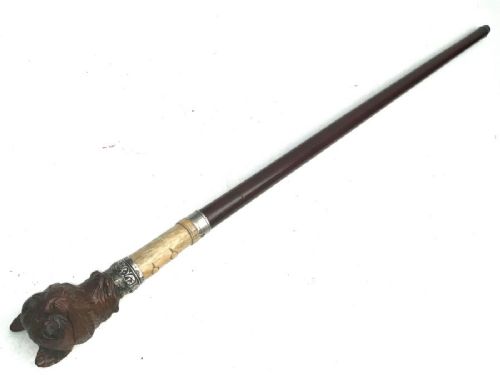
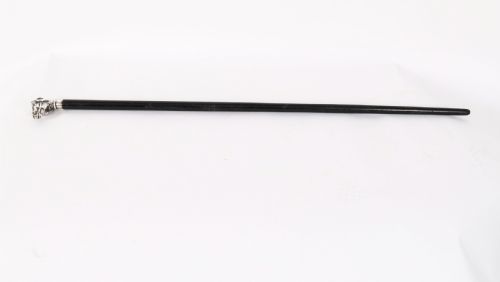
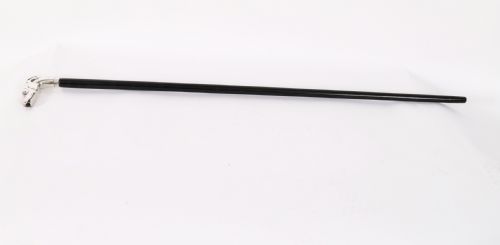
The pieces on this page span the nineteenth century into the early twentieth century, encompassing Victorian, Edwardian, and Art Deco styles. Animal head handles such as greyhounds, ducks, horses, and hares alongside floral motifs like prunus blossom appear frequently alongside plain crook and knop designs.
Origins vary across British, French, Chinese, Asian, and Continental workshops, reflecting global demand for gentlemanly and ladylike walking accessories during this period. Plain silver mounts share space with repousse work, silver plating, and intricate novelty handles.
Materials and Construction
Shafts utilise woods such as ebonised wood, hardwood, palm wood, chestnut, oak, bamboo, and malacca, frequently paired with horn, bone, or steel components. The metal handles and collars consist of solid silver or silver plate, shaped through casting, embossing, and repousse techniques.
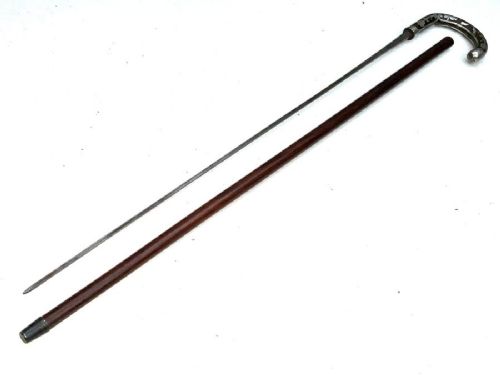
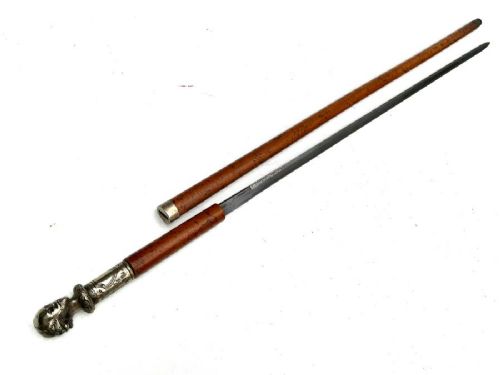
Blades within sword sticks employ steel, including Toledo and Wilkinson makers, while hidden mechanisms accommodate corkscrews and snuff boxes within the handle structure.
Several walking sticks double as golf clubs, folding seats, or hiding spots for four-leaf clover motifs and corkscrews.
Factors of Quality
Quality rests in the sculptural detail of the handle, distinguishing cast animal heads and repousse floral patterns from plain mounts. The choice of shaft material, from standard hardwoods to malacca and bamboo, along with integrated functional elements like concealed blades or snuff boxes, shapes the distinction between everyday items and specialised pieces.
The Silver Handle Stick Glossary
- Repousse
- Metalworking technique where the silver is hammered into relief from the reverse side. This method creates dimensional floral or animal motifs on the handle.
- Malacca
- A slender rotang palm stem utilised for walking cane shafts. It is prized for its mottled brown surface and resilience.
- Knop
- A rounded knob or handle at the top of a stick. These often take the form of plain spheres, carved animals, or specialised shapes.
- Ebonised
- Wood treated to imitate ebony. This process darkens cheaper timbers to produce a uniform black finish on the shaft.
- Sword stick
- A walking cane containing a concealed blade within the shaft. These combine support functions with hidden steel.
Silver Handle Stick: Frequently Asked Questions
What is a silver handle stick?
A silver handle stick is a walking cane or parasol featuring a precious metal grip mounted to a wooden or bamboo shaft. These pieces served as daily accessories for gentlemen and ladies.
Craftsmen shaped the handles into simple crooks or detailed animal heads, combining utility with personal style.
How were sword sticks used?
Sword sticks functioned primarily as walking aids while offering concealed personal protection through an internal steel blade. Officers and civilians carried them during the nineteenth and early twentieth centuries.
The blade remains hidden inside the wooden shaft until released by a locking mechanism near the silver collar.
How do I identify the period?
Dating relies on hallmarks stamped on the silver mounts, stylistic indicators such as Art Deco geometric lines or Victorian ornamentation, and material choices. Maker marks and London assay dates provide precise years for British pieces.
Changes in handle design from naturalistic animal carvings to sleek modernist shapes help separate nineteenth century examples from Edwardian items.
What are gadget sticks?
Gadget sticks incorporate hidden functions within the handle or shaft beyond simple walking support. Examples include concealed corkscrews, snuff boxes, and folding mechanisms.
These novelty items reflect Victorian and Edwardian ingenuity in combining everyday accessories with practical tools.