





Silver Handle Pitcher
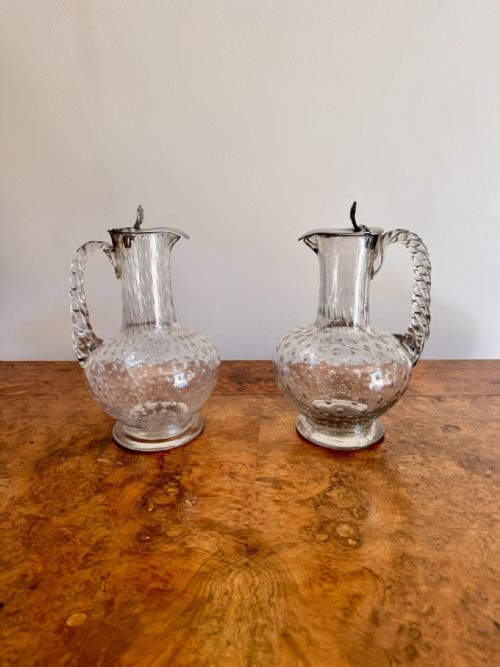
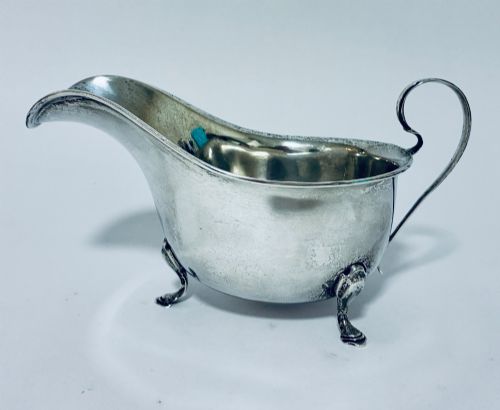
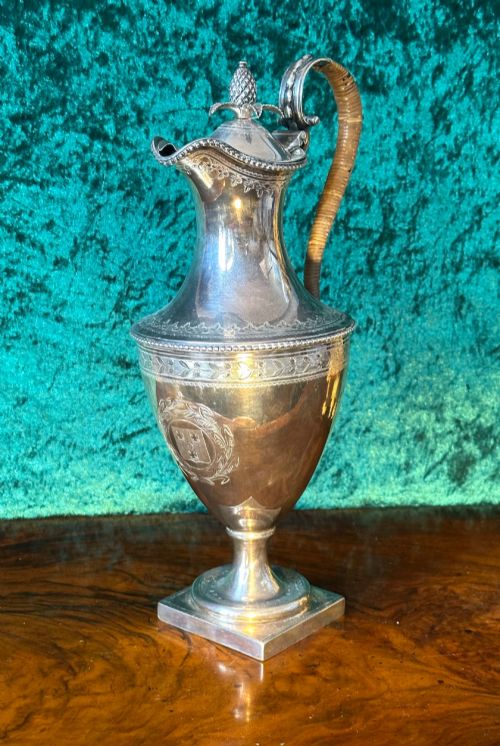
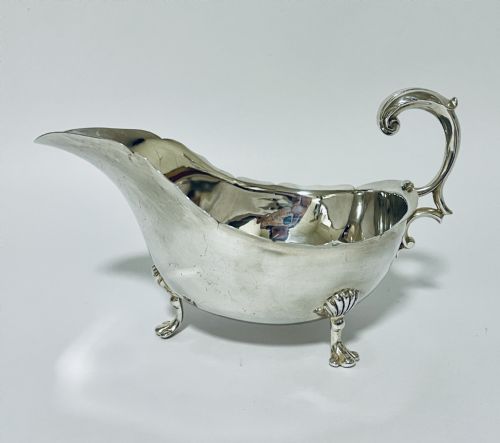
These pieces known as silver handle pitcher comprise vessels for wine, water, and cream that unite metal handles with glass, ceramic, or metal bodies.
Silver Handle Pitcher
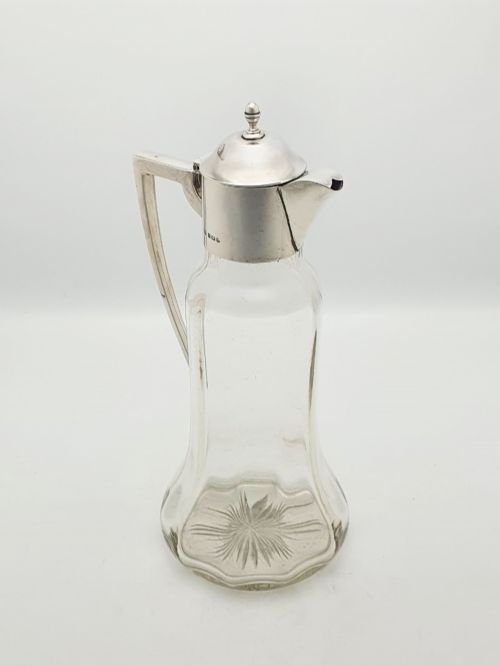
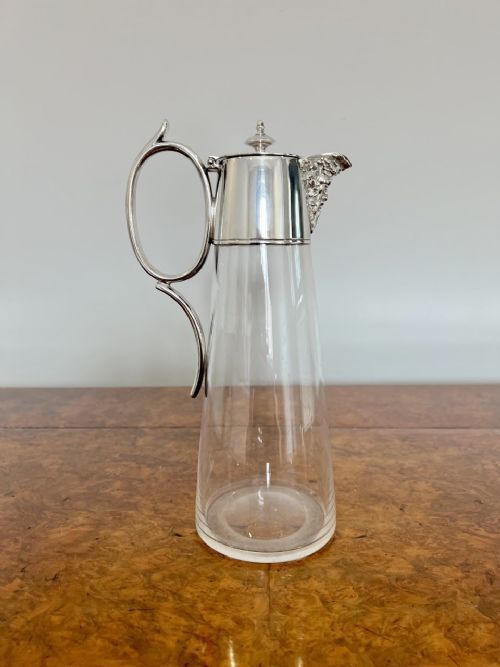
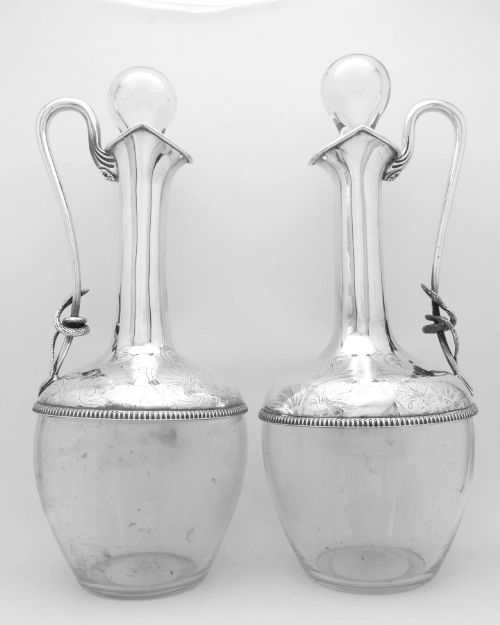
A silver handle pitcher encompasses varied forms from claret jugs and ewers to cream jugs and water pitchers, spanning periods from the Georgian era through to the Art Deco years of the twentieth century. Glass bodies mounted with silver plating or sterling silver appear frequently, alongside solid silver examples and pewter creations from the Arts and Crafts and Art Nouveau movements.
The materials paired with these metal handles extend beyond glass to include enamel, cane, wicker, and wood such as fruitwood, reflecting the diverse domestic and ceremonial uses of the objects. Origins range from British workshops to Chinese Export and continental European makers, showing distinct regional tastes in servingware.
Materials and construction methods
Glass bodies are frequently combined with silver plated or sterling silver mounts, often featuring cut glass patterns or hand-engraved floral designs. Pewter is also utilised, notably in Arts and Crafts and Art Nouveau designs incorporating enamel or specialised metal finishes.
Handles are fashioned from sterling silver, silver plate, fruitwood, cane, and wicker, securely attached to the main body of the jug, ewer, or coffee pot to balance the weight of the vessel.
Silver Handle Pitcher Retail Price Guide 2026
Typical asking prices for silver handle pitcher among the pieces listed under this phrase on Sellingantiques today, from the lower quarter to the upper quarter. They describe what is for sale here now, not the wider market.
Recorded styles span Victorian, Georgian, Edwardian, Art Nouveau, Art Deco, Neoclassical, and Arts and Crafts.
Distinctions in craftsmanship and design
The distinction between standard domestic vessels and exceptional pieces lies in the precision of the metalwork, the clarity of the glass, and the sophistication of the design, such as specialised serpent or mermaid handles.
Attribution to notable designers and makers elevates a piece, as seen in works associated with specific silversmiths and firms from the Georgian, Victorian, and Edwardian periods.
Archibald Knox for Liberty and Co·James Dixon and Sons·Luen Hing·Hukin and Heath·Dr Christopher Dresser·WMF·John Scofield
The Silver Handle Pitcher Glossary
- Claret jug
- A table vessel specifically designed for serving red wine, typically combining a glass body with a silver or silver-plated handle, collar, and lid.
- Ewer
- A large jug with a wide spout, traditionally used for holding water or wine and often possessing a classical or ceremonial form.
- Silver plate
- A base metal, commonly copper or a white metal alloy, coated with a thin layer of silver through manufacturing processes.
- Sterling silver
- An alloy consisting of silver and other metals, usually copper, meeting a specific standard of purity for precious metal objects.
Silver Handle Pitcher: Frequently Asked Questions
What is a claret jug?
A claret jug is a serving vessel designed for red wine, usually featuring a glass body paired with a metal handle and mount.
These pieces were prominent on dining tables during the Victorian and Edwardian periods.
How do I clean silver plate?
Silver plate requires gentle cleaning with specialised silver polishes to avoid removing the thin outer layer of silver.
Harsh abrasives should be avoided to preserve the original surface and any engraved details.
What distinguishes an ewer?
An ewer is characterised by its large container body, distinct spout, and often elaborate handle designed for pouring liquids.
While many function as table serveware, some historical examples served ceremonial or decorative purposes.
How are periods identified?
Periods are identified through hallmarks, stylistic traits such as Art Nouveau curves or Georgian symmetry, and manufacturing techniques.
Documentation and maker marks further help confirm the era of origin.