



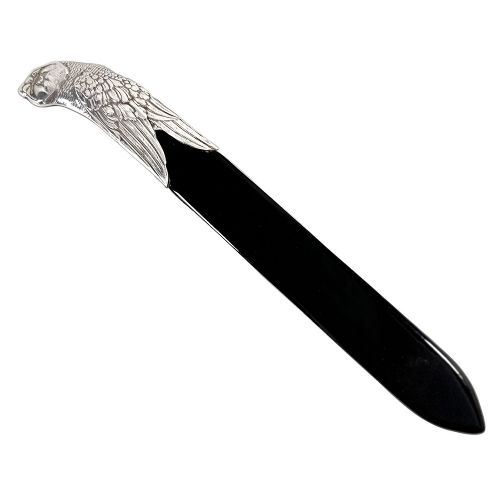
Silver Handle Knives
Silver handle knives encompass everything from Georgian dinner sets to Victorian fruit knives, prized for their craftsmanship and tactile variety.
Silver Handle Knives
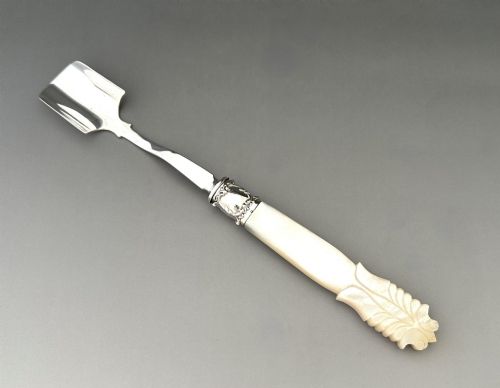
Silver handle knives cover a wide spectrum of dining and desk utensils, ranging from matched sets of dessert and butter knives to individual fruit knives and serving pieces. The pieces available here span multiple eras, including Georgian, Victorian, Edwardian, and mid-century periods, reflecting shifting domestic habits.
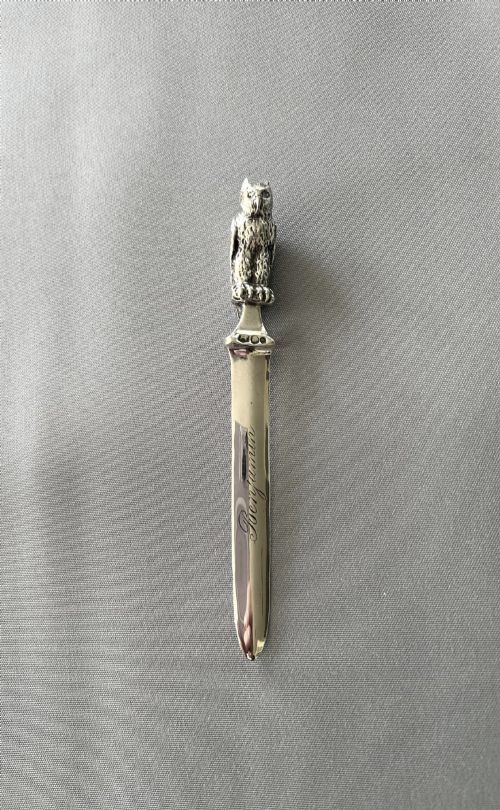
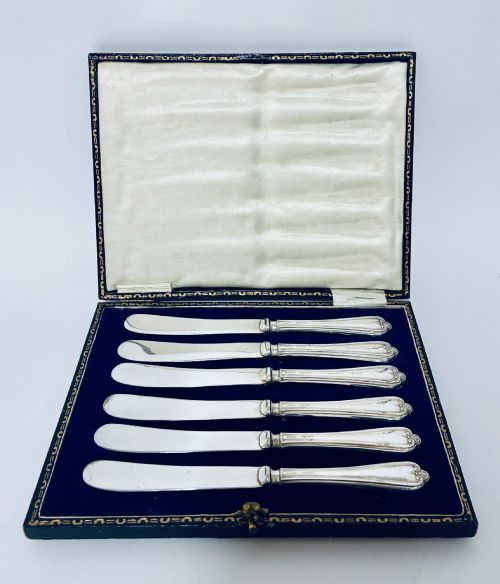
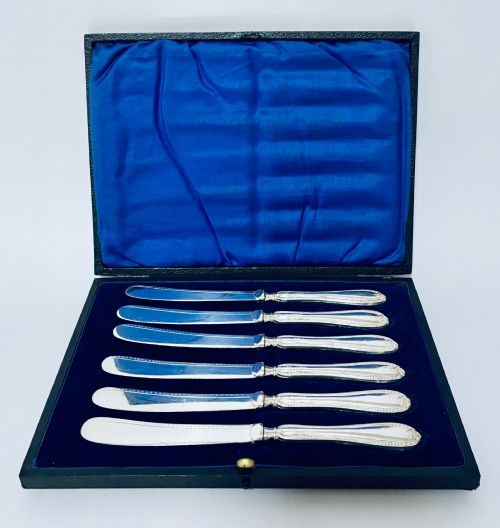
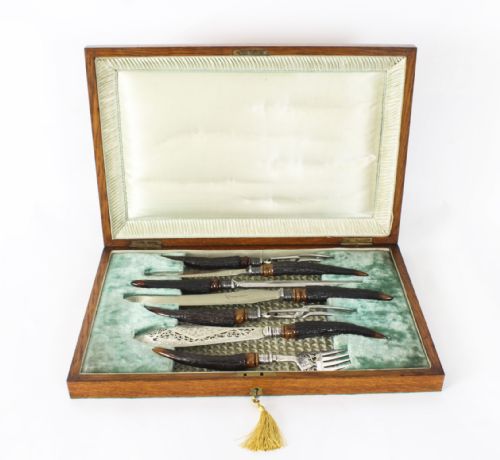
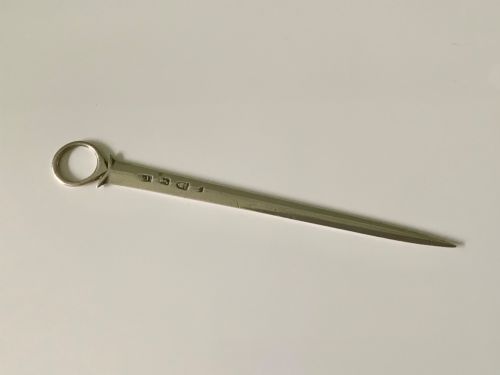
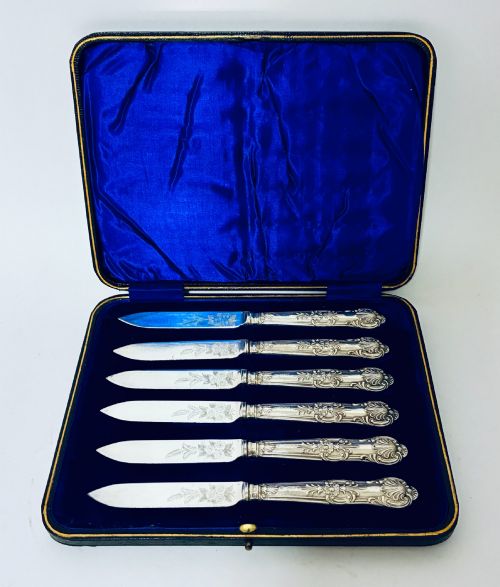
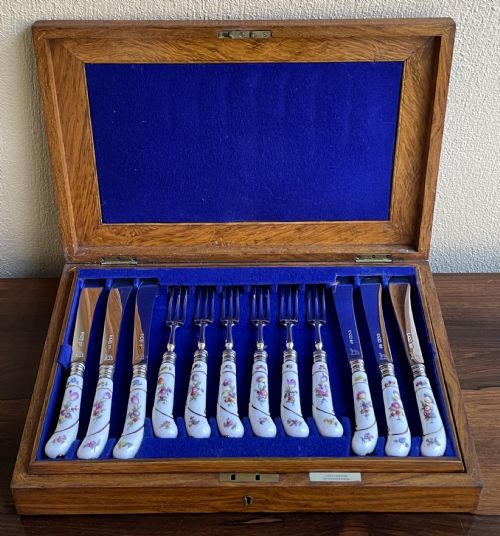
Most frequent on this page are sets of butter and fruit knives, often housed in fitted wooden cases alongside larger serving cutlery and fish servers. Alongside dining implements, the selection includes desk accessories such as letter openers and page turners.
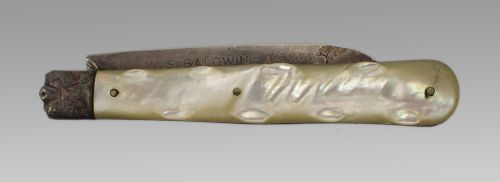
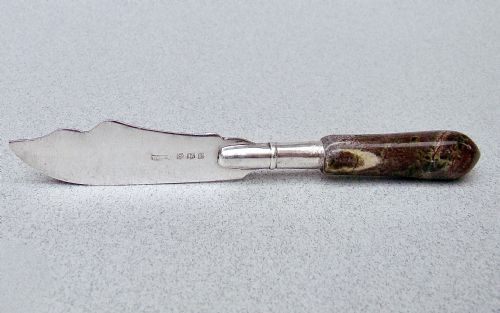
Makers utilised diverse materials for the grips and blades, pairing silver with organic substances like mother-of-pearl, agate, horn, and tortoiseshell. These items originate from English, Scottish, French, and Dutch workshops, showing provincial and urban manufacture alike.
Materials and construction
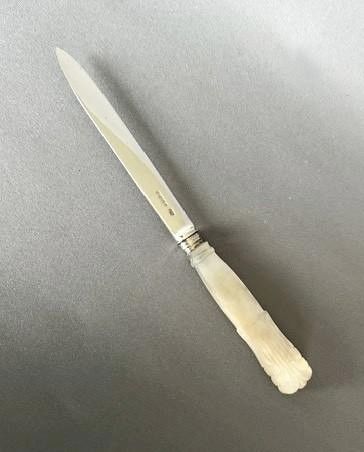
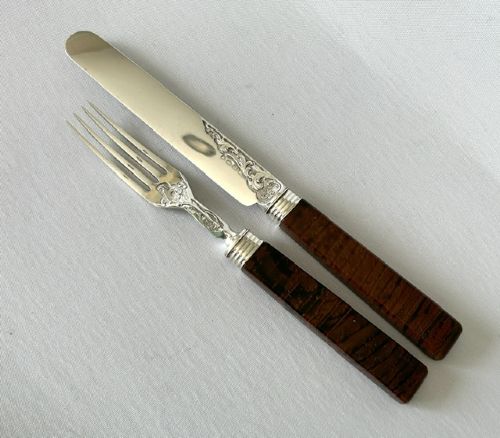
The construction of these pieces combines solid sterling silver or silver plate with distinct handle materials such as mother-of-pearl, horn, agate, and ebony. Blades are typically formed from steel, silver plate, or solid silver, secured to the grips via decorative silver ferrules.
Many handles utilise natural mediums that require careful shaping and polishing, such as carved antler horn, tortoiseshell, and iridescent mother-of-pearl shells. Metal components often display hallmarks indicating assay offices in cities like Sheffield, Birmingham, and London.
Silver Handle Knives Retail Price Guide 2026
Typical asking prices for silver handle knives among the pieces listed under this phrase on Sellingantiques today, from the lower quarter to the upper quarter. They describe what is for sale here now, not the wider market.
Listings feature items spanning the Georgian period through to mid-century modern design, incorporating steel, horn, and agate.
Assessing quality
Quality in these implements rests upon the crispness of the handle carving and the integrity of the join between the grip and the blade. Finer examples display well-defined cast or chased decoration on the silver elements, along with undamaged organic materials free from heavy fractures.
Complete original fitted cases and matching sets elevate an item's standing compared to assembled groups or unboxed single pieces. The presence of clear maker marks and legible provincial or London hallmarks provides an additional indicator of workshop origin.
Georg Jensen·Vale and John·Moses Brent·A Barrett·Sampson Mordan and Co·Walker and Hall·Harrison Brothers
The Silver Handle Knives Glossary
- Hallmark
- A series of official marks stamped on precious metals indicating the maker, assay office, and year of testing. These stamps provide a reliable method for dating British silver pieces.
- Ferrule
- The small metal band or ring that secures the handle of a knife to its blade. This component prevents the handle material from splitting under pressure.
- Mother-of-pearl
- The iridescent inner layer of certain mollusc shells, frequently used for knife handles. Its natural shimmer made it a popular choice for Victorian and Edwardian dessert cutlery.
- Silver plate
- A base metal, such as copper or nickel brass, coated with a thin layer of silver. This technique allowed makers to produce elaborate tableware at a lower cost than solid sterling silver.
Silver Handle Knives: Frequently Asked Questions
What were silver handle knives used for?
These implements served specific dining and domestic functions, ranging from spreading butter to slicing fruit and serving fish at the table. Many were designed for particular courses in formal Victorian and Edwardian meals.
Other variations functioned as desk accessories, including letter openers and page turners used in correspondence and reading.
How do I clean silver handle knives?
Cleaning requires gentle polishing with a soft cloth specifically designed for silver, taking care to avoid harsh abrasives that might scratch the metal or surrounding handle materials.
Organic grips like mother-of-pearl, horn, and tortoiseshell should be kept away from hot water and chemical immersion to preserve their natural surface texture.
Are these knives dishwasher safe?
Historic cutlery is not suitable for modern dishwashers due to the intense heat, harsh detergents, and prolonged moisture exposure. These conditions can warp organic handle materials and weaken the adhesives securing the blades.
Hand washing in lukewarm water with mild soap, followed by immediate drying, is the appropriate method for maintenance.
How can I tell the period of a piece?
Dating relies heavily on legible hallmarks stamped into the metal, which identify the assay office and the active year of the maker. Stylistic clues such as handle shape, engraving motifs, and the presence of fitted cases also help place an item within the Georgian, Victorian, or Edwardian eras.