






Silver Haberdashery Collectible
These silver haberdashery collectible pieces are miniature sewing wares and desk novelties that bring Edwardian and Victorian craftsmanship directly to your dressing table.
Silver Haberdashery Collectible
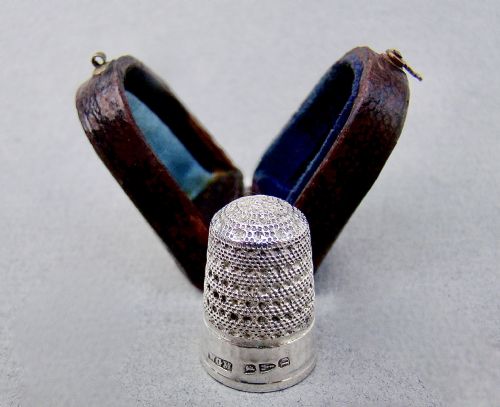
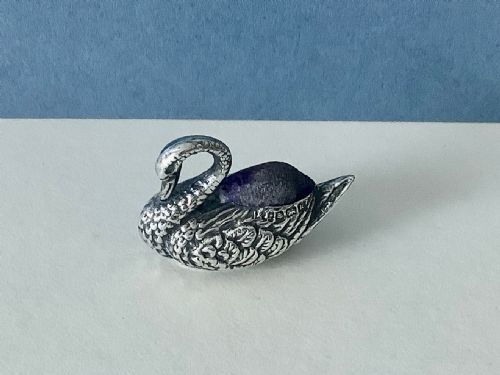
When you search for a silver haberdashery collectible, you encounter small personal accessories and sewing tools fashioned from sterling silver and paired with materials like velvet, silk, and glass. The selections here centre heavily upon miniature pin cushions shaped as animals and figures, alongside cased thimbles, cotton reel holders, and boxed button sets.
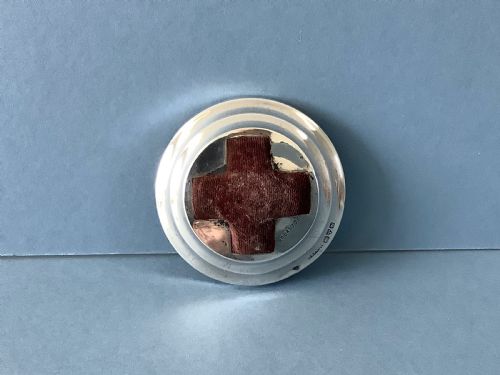
Most examples date from the Victorian and Edwardian eras, featuring specific novelty designs such as stags, swans, foxes, railway lamps, and policemen. You will also find functional items produced around the early twentieth century, including Red Cross commemoratives and jockey caps.
The assortment balances novelty whimsy with practical sewing gear from the late nineteenth and mid twentieth centuries. Each item reflects the domestic utility and desk culture of its period through durable metalwork and delicate textile linings.
Materials and construction methods
Silversmiths formed these objects primarily using sterling silver, shaping the metal into intricate animal figures, tiny caps, and tubular cotton holders. Internal structures often incorporate wood, leather, or glass to provide weight and stability.
Pads and inserts utilise traditional textiles such as velvet, silk, and fabric to securely hold pins and needles. Hallmarks stamped into the metal indicate assay offices like Chester alongside specific production years.
Current listings span from the Victorian era through the Edwardian period up to the nineteen sixties, encompassing sterling silver, velvet, and silk.
Judging quality in silver haberdashery
Quality rests upon the crispness of the silver casting and the level of anatomical detail achieved in novelty pieces such as stags, swans, and foxes. Crisp punchwork and clear hallmarks indicate superior workshop standards.
The condition of the original fitted case or internal velvet and silk fabric heavily influences desirability. Well-preserved textile inserts and robust hinges distinguish better surviving examples from heavily worn pieces.
Walter and George Myers·Charles Horner
The Silver Haberdashery Collectible Glossary
- Sterling silver
- A silver alloy containing 925 parts pure silver per thousand. This metal standard dominates the construction of these sewing collectibles.
- Novelty pin cushion
- A small pin cushion formed into a recognisable shape or figure. These range from animals like swans and foxes to everyday objects such as railway lamps and jockey caps.
- Cotton reel holder
- A small desk or sewing accessory designed to hold a spool of thread. These pieces keep sewing cotton organised during use.
- Cased set
- A collection of sewing items housed in a fitted presentation box. These boxes often feature velvet or silk linings designed specifically for the pieces.
Silver Haberdashery Collectible: Frequently Asked Questions
How were these silver items used?
Victorian and Edwardian needleworkers utilised these pieces to store pins, hold cotton reels, and protect fingers during detailed sewing tasks.
Many novelty pin cushions also served as decorative ornaments on dressing tables and desks.
How do I date an antique silver pin cushion?
Dating relies on reading the hallmarks stamped into the silver, which indicate the assay office, city, and year of production.
Stylistic markers such as Edwardian novelty designs or Victorian cased presentations also help establish the era.
What materials accompany the silver?
Silversmiths combined sterling silver with various textiles including velvet, silk, and fabric to create functional pin pads.
Some pieces also incorporate wood, glass, and leather to form internal structures and fitted presentation cases.
How should I care for silver sewing items?
Keep the silver clean using appropriate polishing methods while avoiding abrasive contact with delicate fabric or velvet inserts.
Store cased sets in dry environments to protect both the metalwork and the original textile linings.