




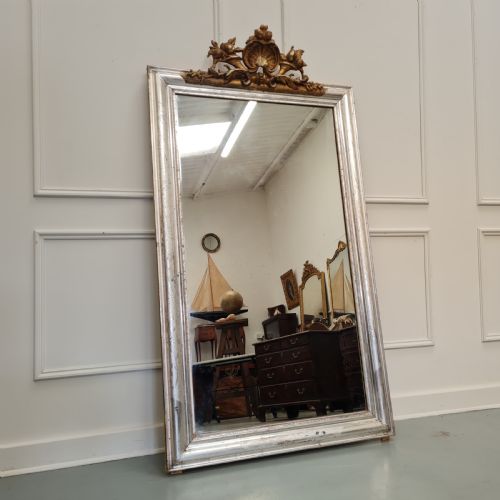


Silver Gilt Wood Mirror
A silver gilt wood mirror brings a luminous metallic sheen and warmth to a room, catching the daylight in ways a plain frame cannot.
Silver Gilt Wood Mirror
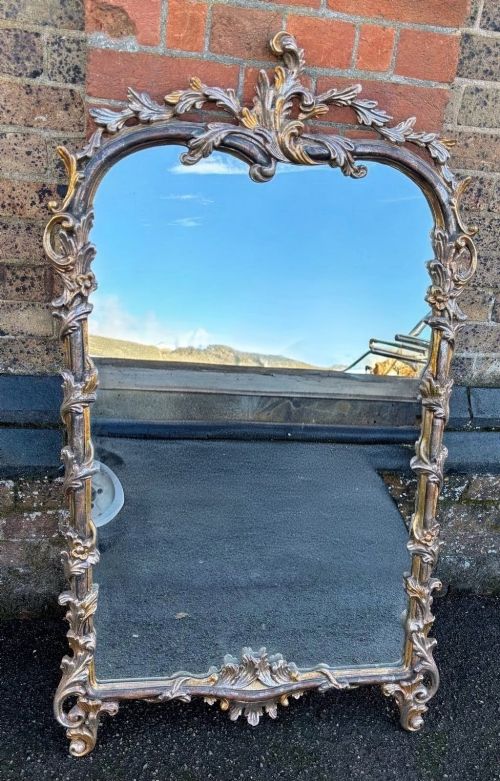
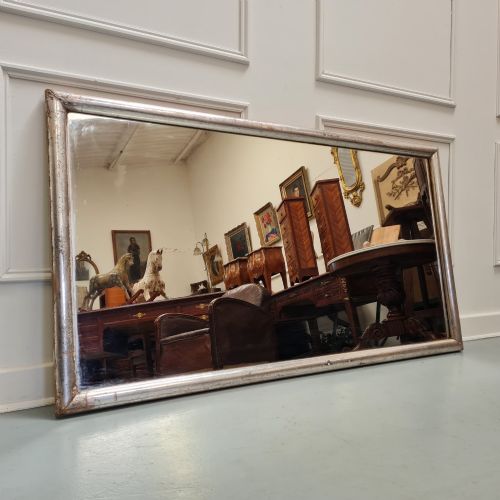
When you search for a silver gilt wood mirror, you are looking at carved wooden frames finished with precious metal leaf or metallic layers that combine the warmth of gold with the cool tone of silver. These pieces span from the seventeenth century through the Victorian era and into the early twentieth century, taking forms such as grand overmantels, tall wall mirrors and smaller bistro designs.
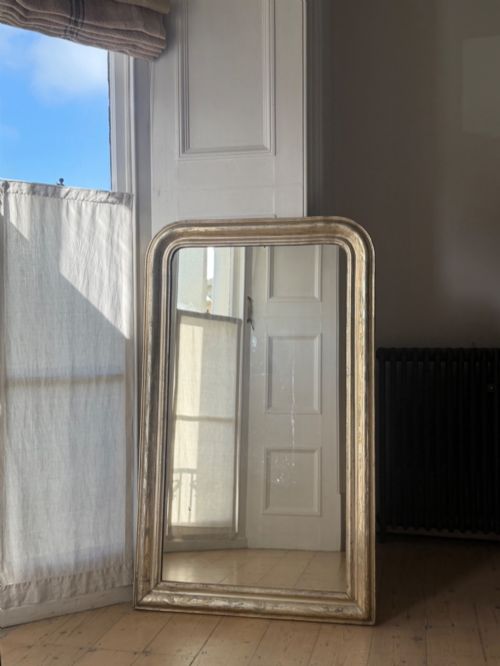
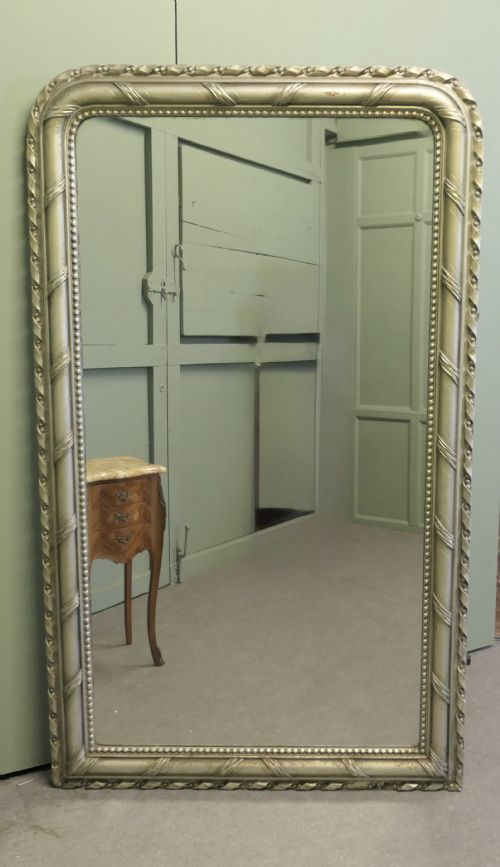
You are most likely to meet French and Italian examples on this page, particularly those carrying Louis Philippe, Baroque, Rococo Revival or Napoleon III styles. The frames range from simple, clean profiles to heavily carved wooden structures shaped with arches, scrolls and distressed surfaces.
The scale varies significantly, from compact wall pieces to over six feet tall, meaning these mirrors function equally well above a mantlepiece or as a full-length feature in a hallway.
How they were made
Makers built these frames using carved wood and gesso, applying layers of plaster over the timber base to create a smooth, resilient foundation for the metallic leaf. Carvers worked directly into the wood and gesso to achieve intricate relief details such as scrolls, leaves and shaped tops before applying the finish.
The surfaces were then covered with silver leaf, gold leaf or mixed metallic layers, sometimes incorporating mercury glass plates within the rebate. This traditional layering technique accounts for the complex light reflection seen on nineteenth-century French and Italian examples.
Silver Gilt Wood Mirror Retail Price Guide 2026
Typical asking prices for silver gilt wood mirror among the pieces listed under this phrase on Sellingantiques today, from the lower quarter to the upper quarter. They describe what is for sale here now, not the wider market.
Listings feature pieces spanning from the seventeenth century to the twentieth century, incorporating glass, silver leaf, gesso, carved wood and gold leaf.
What varies in quality
The distinction between a standard piece and a superior one lies in the depth and crispness of the wood carving, where hand-tooled details remain sharp through the gesso layers rather than appearing soft or filled in. Superior examples display a deliberate harmony between the silver and gold leaf tones, whereas lesser pieces often show flat, uniform application without tonal nuance.
The preservation of the original glass plate and the integrity of the underlying timber frame also determine the standing of the piece. Frames that retain their original distressed silver gilt surfaces without heavy later repainting command greater appreciation from collectors.
A.J Rowley
The Silver Gilt Wood Mirror Glossary
- Gesso
- A plaster mixture applied to wood frames to provide a smooth base for gilding. It allows carvers to achieve fine relief details before applying metal leaf.
- Silver gilt
- A surface finish where silver leaf is applied to an object and sometimes toned or combined with gold leaf. This creates a complex metallic sheen that bridges silver and gold.
- Overmantel mirror
- A large horizontal mirror designed specifically to hang above a fireplace mantle. These pieces often feature arched or shaped tops suited to period proportions.
- Mercury glass
- An early type of mirror glass created by pouring a mercury amalgam behind the glass plate. It produces a characteristic mottled reflection with dark spots.
- Louis Philippe style
- A nineteenth-century French design movement favouring restrained curves and simple rectangular formats with rounded upper corners. It offers a cleaner aesthetic than earlier Rococo work.
Silver Gilt Wood Mirror: Frequently Asked Questions
How do I clean a silver gilt wood mirror?
Dust the carved wooden frame gently with a dry, soft brush to avoid disturbing the delicate metallic leaf. Clean the mirror glass using a cloth slightly dampened with water or neutral glass cleaner, taking care not to let moisture seep behind the plate.
Avoid chemical polishes and abrasive cloths entirely, as these will strip the silver or gold leaf from the gesso base. Regular light dusting is all that is required to maintain the finish.
How do I spot an original frame?
Examine the construction of the wooden frame at the back and inspect the gesso layers for signs of age, shrinkage cracks and wear. Original pieces show natural wear to the silver gilt surface where handling occurred over generations.
Check whether the mirror glass corresponds to the period of the frame, noting that mercury glass plates often display characteristic dark speckling. Modern replacements will look uniformly clear and lack the depth of antique plates.
What rooms suit a silver gilt mirror?
These mirrors suit living rooms, dining spaces and hallways where their reflective surfaces can bounce natural light around the room. An overmantel version naturally anchors a fireplace, while a tall wall mirror adds vertical scale to a narrow space.
The metallic finish pairs well with both traditional period interiors and modern minimalist rooms by adding warmth and texture. The restrained palette of silver and gold blends easily with various colour schemes.