



Silver Gilt Cellar
A silver gilt cellar brings heavy gold-toned richness to the dining table, offering miniature vessels for salt and condiments crafted in sterling silver.
Silver Gilt Cellar
A silver gilt cellar is a small vessel designed to hold salt or condiments at the dining table. These pieces emerge chiefly from the Georgian, Victorian, and Edwardian periods, spanning the eighteenth and nineteenth centuries.
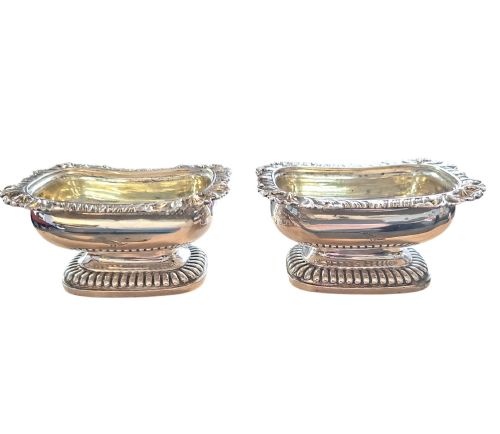
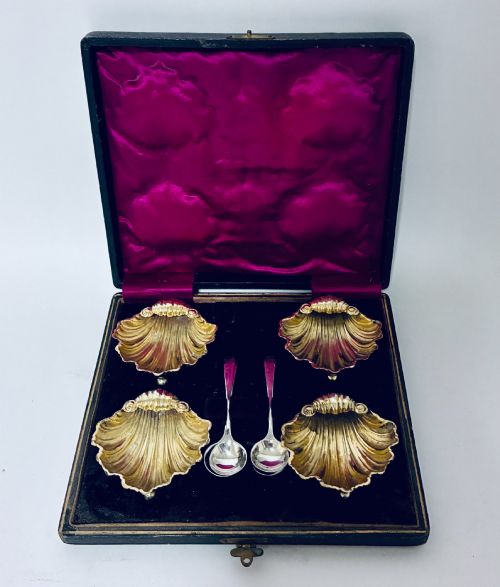
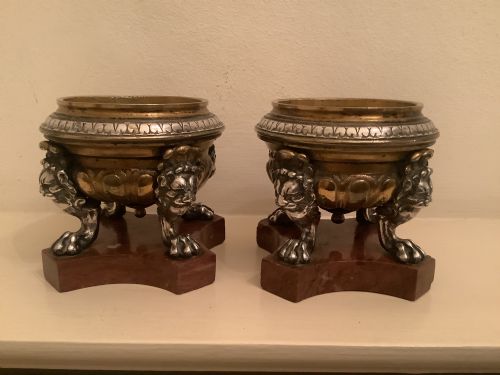
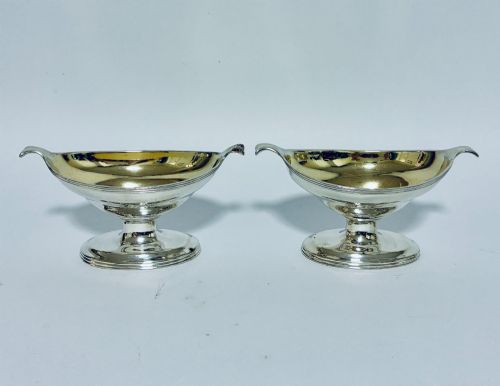
The selections available here include salt boats, cauldron forms, pedestal dishes, trenchers, tubs, and scallop shell designs. Many appear in matched pairs or larger sets, occasionally accompanied by spoons or fitted cases.
How they were made
Silversmiths formed these vessels primarily from sterling silver, subsequently applying a gold wash known as silver gilt, vermeil, or gilt silver to the interior or exterior surfaces. This technique protected the silver from the corrosive nature of salt while adding a rich golden lustre.
Makers employed casting and hammering techniques, embellishing pieces with naturalistic flower motifs, cast rococo scrollwork, and pedestal bases. Interior gilding remains a defining characteristic across many salt bowls and condiment dishes.
Silver Gilt Cellar Retail Price Guide 2026
Typical asking prices for silver gilt cellar among the pieces listed under this phrase on Sellingantiques today, from the lower quarter to the upper quarter. They describe what is for sale here now, not the wider market.
Materials across these listings span sterling silver, silver gilt, vermeil, and velvet, recording items from the Georgian, Victorian, and Edwardian eras.
What varies in quality
Quality in a silver gilt cellar rests upon the crispness of the chased or cast decoration, from plain functional trenchers to intricate naturalistic flower designs and rococo shells. The weight of the sterling silver and the preservation of the gold gilt surface dictate the standing of each piece.
The reputation of the silversmith and the completeness of sets, such as pairs or matched groups with original spoons and boxes, separate standard domestic wares from exceptional examples.
David Hennell·William Bateman·Paul Storr·Edward Farrell·Thomas Smily·Edward Wood
The Silver Gilt Cellar Glossary
- Silver gilt
- Sterling silver coated with a thin layer of gold, providing a rich yellow finish over the white metal. This method enhances visual warmth and protects the underlying silver from tarnishing.
- Trencher salt
- A low, flat-bottomed salt cellar popular in the eighteenth century, designed to sit directly on the dining table. These vessels often take a simple circular or multi-sided form.
- Cauldron salt
- A small bowl-shaped cellar raised on three feet, mimicking the appearance of a cooking cauldron. This form is frequently encountered in Georgian silver.
- Salt boat
- A salt cellar shaped like a small classical boat or sauceboat, often featuring a single handle and a pedestal or footed base. They reflect the neoclassical tastes of the Georgian era.
- Vermeil
- Another term for silver gilt, describing sterling silver plated with gold. The finish creates a durable decorative surface used extensively on salt cellars and condiment sets.
Silver Gilt Cellar: Frequently Asked Questions
What is a silver gilt cellar used for?
These vessels held salt or small condiments on the dining table before free-flowing salt shakers became common. Diners used tiny spoons or pinched the salt directly from the open bowl.
The gold gilt interior prevented the corrosive salt from pitting and tarnishing the underlying sterling silver.
How do I clean a silver gilt cellar?
Cleaning requires extreme caution because harsh dips or vigorous polishing will strip away the gold wash over the silver. Warm water, mild soap, and a very soft cloth are safest for maintaining the surface.
Professional silver care is advisable for pieces with heavy tarnish or delicate chased decoration.
How can I tell a Georgian salt cellar from a Victorian one?
Georgian salt cellars, spanning the eighteenth and early nineteenth centuries, often exhibit clean neo-classical lines, simple trenchers, or crisp rococo shell motifs. Maker marks and assay office stamps from this era help confirm the period.
Victorian pieces, produced later in the nineteenth century, frequently show heavier naturalistic floral decoration, matching spoons, and fitted presentation cases.
Are salt cellars sold as pairs or sets?
Many silver gilt cellars appear as pairs, which reflects the traditional symmetrical arrangement of a formal dining table. Larger sets of four, five, or matched boxed condiment sets also occur.
Single pieces emerge occasionally, having been separated from their original suites over centuries of use.