


Silver Framed Art
Silver framed art brings together period paintings, portrait miniatures and photographs enclosed in precious metal, offering refined craftsmanship for display.
Silver Framed Art
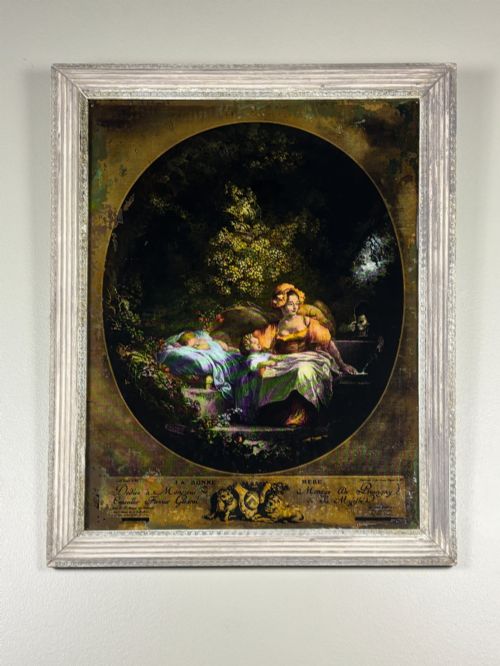
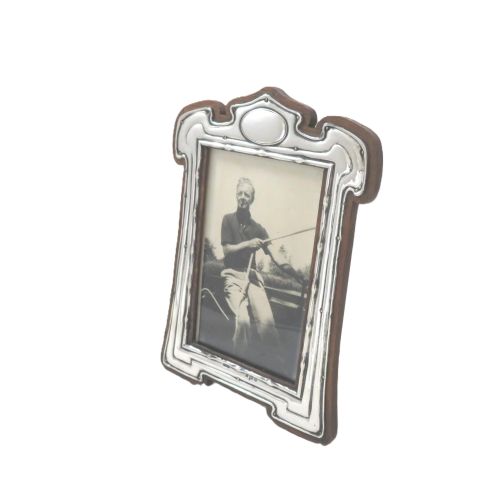
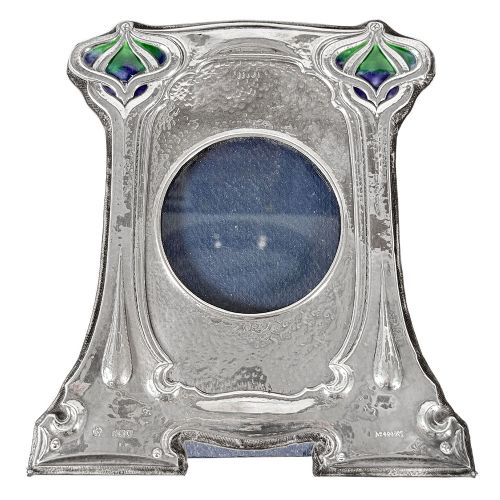
Silver framed art encompasses paintings, drawings, and photographs housed within metal mountings or frames made predominantly during the Victorian, Edwardian, and twentieth-century periods. When searching for silver framed art, buyers frequently encounter sterling silver photograph frames, portrait miniatures, and oil paintings created under stylistic influences ranging from Art Nouveau and Arts and Crafts to Art Deco.
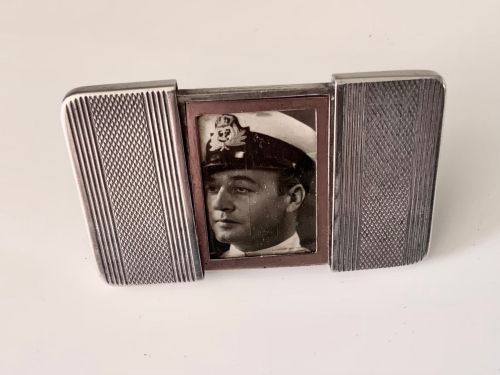
The objects span varied forms, including pierced table mirrors, hinged triptych dressing table mirrors, and engine-turned picture frames alongside wall art. Pieces date from the nineteenth century through the 1960s, reflecting changing aesthetic preferences across British and European workshops.
Materials and construction
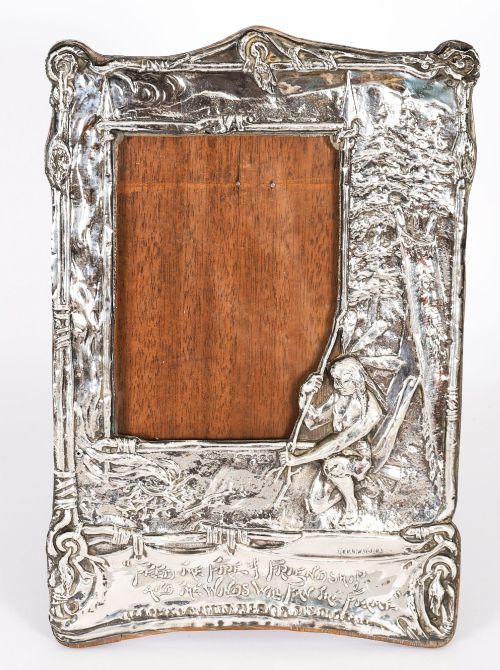
Makers utilised sterling silver, silver gilt, and nickel plating over structural substrates such as wood, glass, and velvet backing boards. Metalwork techniques included hand-hammering, repousse embossing, and engine-turning to pattern the outer housings.
Artisans integrated organic materials like crocodile skin alongside glass and paper for portrait miniatures and drawings. Frames often incorporated easel backs or hanging loops constructed from fabric and card.
Silver Framed Art Retail Price Guide 2026
Typical asking prices for silver framed art among the pieces listed under this phrase on Sellingantiques today, from the lower quarter to the upper quarter. They describe what is for sale here now, not the wider market.
Listings feature oil paintings, watercolours, and portrait miniatures alongside photographic frames spanning Victorian to 1960s periods.
Assessing quality
Quality rests upon the depth of the metalwork relief and the clarity of hallmarks indicating the silversmith and assay office. Hand-hammered surfaces and pierced designs executed with botanical or animal motifs distinguish superior artisan output from simpler commercial production.
The integrity of the internal backing materials, the weight of the metal casing, and the preservation of the original glass or oil painting influence the overall standard of the piece.
William Hutton and Sons·John Collard Vickery
The Silver Framed Art Glossary
- Sterling silver
- A silver alloy containing 92.5 percent pure silver by mass and 7.5 percent other metals, usually copper. This standard alloy provides the durable body for many Edwardian and Victorian picture frames.
- Engine-turned
- A decorative technique produced by a machine that etches precise geometric patterns into metal surfaces. This method creates repetitive linear designs across the silver housing.
- Repousse
- A metalworking method where an artisan hammers metal from the reverse side to form a raised design on the front. This technique defines many floral and figural motifs found on period frames.
- Portrait miniature
- A small, highly detailed painting on ivory, vellum, or card, popular from the sixteenth century onwards. These works were frequently set into small silver frames or leather cases.
Silver Framed Art: Frequently Asked Questions
What periods do these silver frames come from?
The pieces span the Victorian era, the Edwardian period, and the mid-twentieth century up to the 1960s. Many examples date specifically from the early 1900s during the height of Art Nouveau design.
Design characteristics shift from organic botanical motifs in the opening decades of the twentieth century to geometric lines in later Art Deco items.
How were these frames used originally?
Photograph frames and triptych mirrors sat on dressing tables or writing desks to display family portraits and personal mementos. Larger silver-mounted works served as decorative wall art or functional barometers.
Portable portrait miniatures were carried or displayed in domestic interiors as keepsakes of relatives and children.
How do I identify Art Nouveau silver frames?
Art Nouveau frames exhibit flowing, asymmetrical lines inspired by natural forms such as flowers, vines, and insects. Makers frequently incorporated stylized portraits of maidens or animals into the silver mountings.
Hallmarks from the early 1900s often accompany these distinctive organic shapes and hand-pierced borders.
What materials back these silver items?
Internal structures rely on wooden backboards covered in velvet, fabric, or leather to support the paper, photographs, or mirrors within. Easel struts are typically attached to these backing boards to allow tabletop display.
Original backings remain important components for establishing the period authenticity of the piece.