

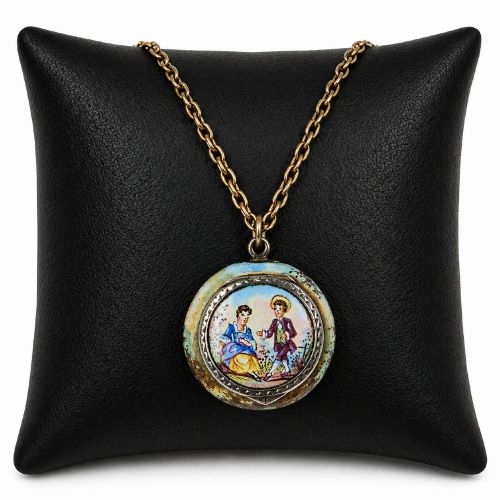


Silver Enamelled Pendant
A silver enamelled pendant brings together vitreous colour and precious metal work from the nineteenth and twentieth centuries.
Silver Enamelled Pendant
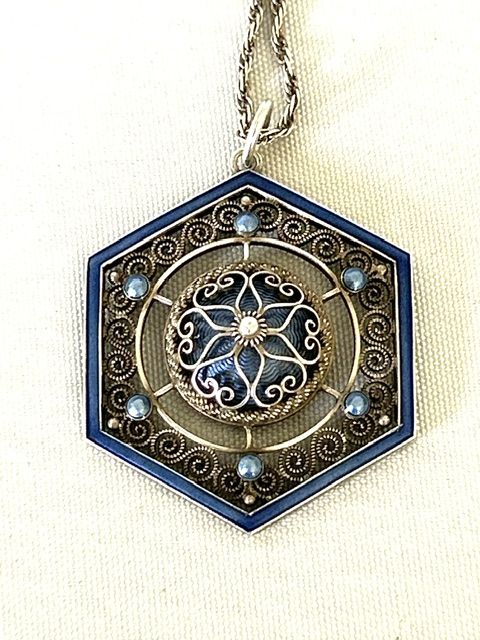
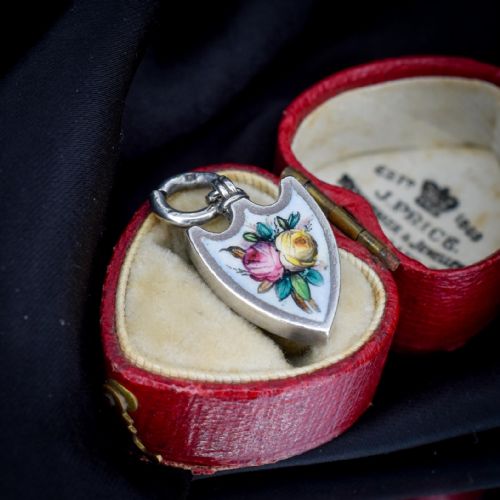
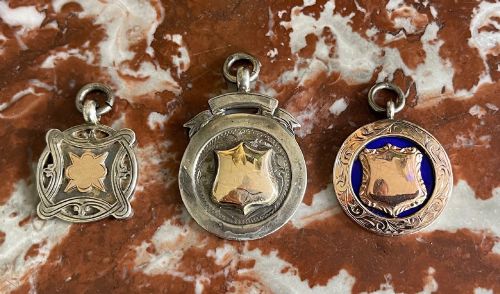
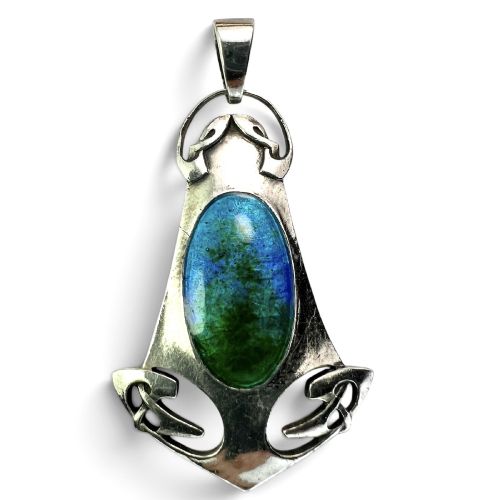
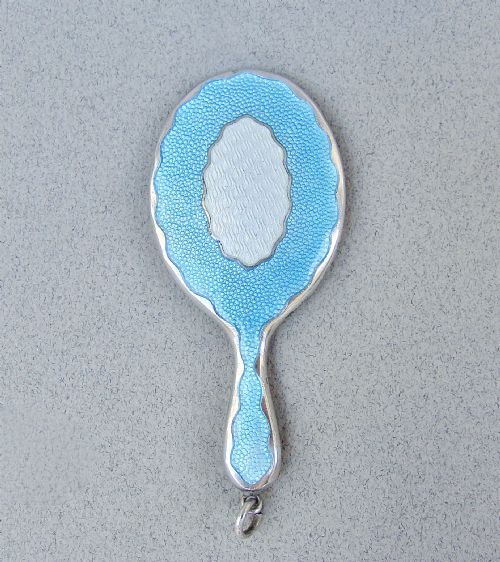
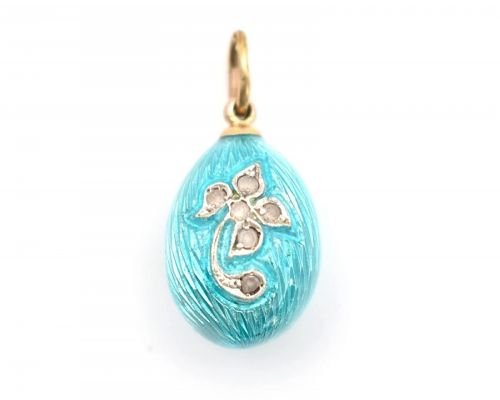
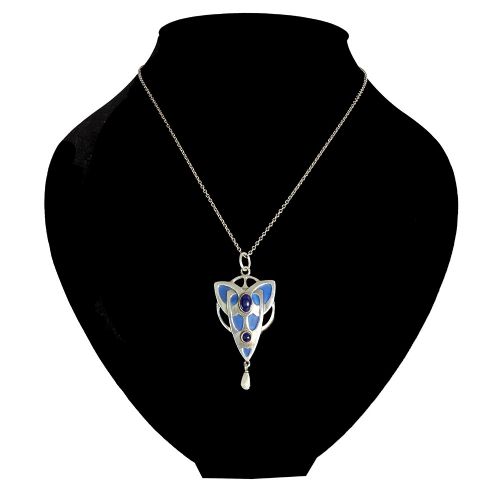
Buyers searching for a silver enamelled pendant will encounter pieces ranging from floral shield charms to geometric Art Deco compacts and multifaceted Austro-Hungarian necklaces. Scandinavian makers and English silversmiths heavily populate the offerings, often incorporating pearls, glass, and semi-precious stones alongside the enamel work. These items served ornamental and personal functions, frequently doubling as lockets or holding miniature mirrors.
Materials and Technique
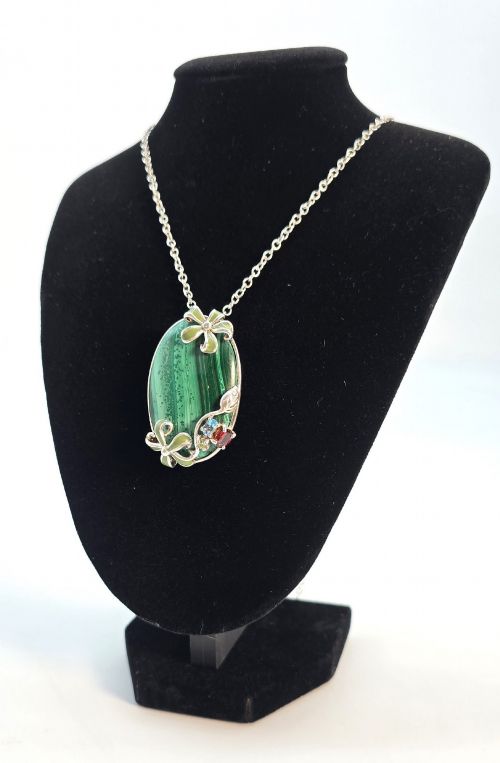
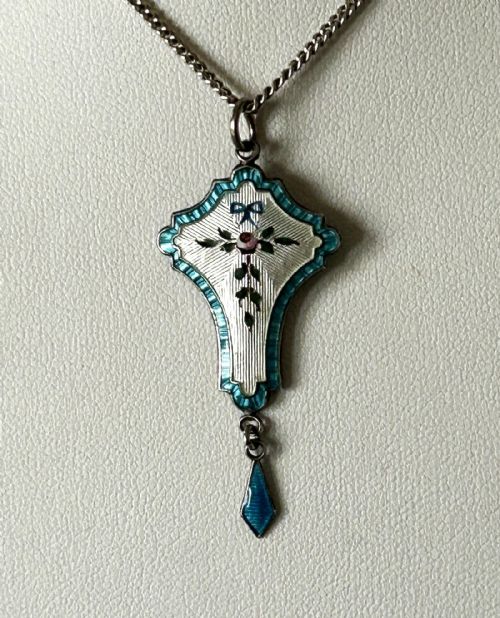
Makers shaped these items using sterling silver, silver gilt, and standard silver frames to house the vitreous enamel, which was applied as a powdered glass paste and fired at high temperatures. Guilloche techniques involved engine turning the silver base beneath transparent enamel to create repetitive geometric patterns that caught the light. Artisans frequently integrated pearls, diamonds, chalcedony, and malachite to accent the coloured glass surfaces.
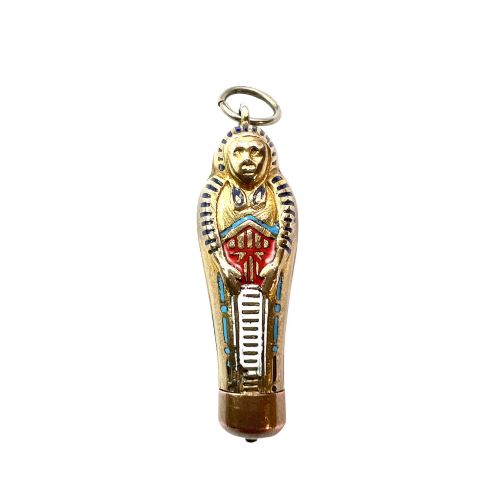
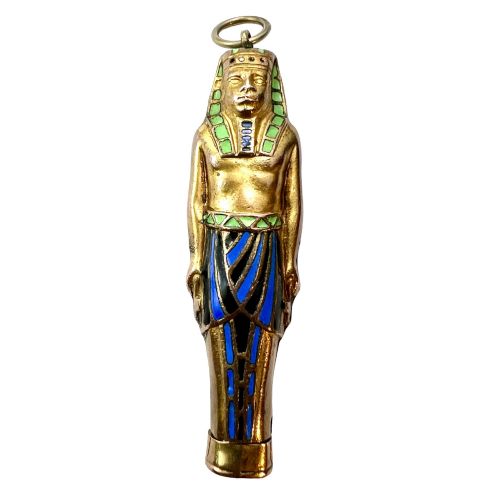
Plique-a-jour methods allowed enamel to be fired within open wire frameworks without a solid backing, producing a translucent, stained-glass effect. Cloisonne and champleve techniques created defined coloured compartments by soldering thin metal wires onto the base or carving depressions directly into the metal. These metalwork traditions required steady hands and precise kiln management to prevent cracking in the glass.
Design styles represented in the inventory include Art Nouveau, Arts and Crafts, Art Deco, Victorian, and Edwardian periods.
Quality Variations in Enamelled Silver
Quality in these ornaments rests on the crispness of the metal execution and the structural integrity of the vitreous glass. Superior pieces display even enamel fusion without pitting or cloudiness across the coloured surfaces. The refinement of the hand engraving beneath guilloche work distinguishes standard production from exceptional artistry.
Workshop attribution and maker marks significantly elevate the standing of an object, particularly pieces associated with prominent design houses of the Arts and Crafts and Art Nouveau periods. The integration of high-grade pearls and well-set secondary stones indicates a higher tier of manufacture. Austro-Hungarian and Scandinavian examples demonstrate varying degrees of intricacy in their gilt wirework and multi-gem settings.
Marius Hammer·Archibald Knox·Murrle Bennett·Henry Williamson·Henry Matthews·Henry Perkins and Sons·Wilhelm Fuhner·David-Andersen·Levinger and Bissinger·Meyle and Mayer
The Silver Enamelled Pendant Glossary
- Guilloche
- An ornamental technique in which a precise, intricate pattern is mechanically engraved into a metal surface. Transparent enamel is then applied over the engraving to allow the pattern to show through.
- Vitreous enamel
- A material made by fusing powdered glass to a substrate by firing, usually between seven hundred and nine hundred degrees Celsius. The powder melts, flows, and hardens to a smooth, durable glass coating.
- Plique-a-jour
- A enamelling technique where the enamel is applied in cells, similar to cloisonne, but with no backing in the final piece, leaving the enamel open to let light through.
- Silver gilt
- Silver that has been plated with a thin layer of gold. This treatment was frequently utilised in Austro-Hungarian and Scandinavian pieces to provide a warm contrast against coloured enamel.
- Vesta case
- A small pocket box designed to hold matches, often fashioned from silver and decorated with enamel crests or sporting scenes. They share materials and manufacturing periods with many pendants.
Silver Enamelled Pendant: Frequently Asked Questions
How do I care for my silver enamelled pendant?
Store your ornament away from direct sunlight and harsh chemicals to protect the vitreous glass surface from scratching and discolouration. Clean the silver components gently with a soft cloth while avoiding abrasive dips that might damage the enamel.
Keep the piece in a dedicated padded box when not being worn to prevent impact damage against other jewellery. Periodic checks by a specialist can ensure the suspension loops and stone settings remain secure.
Can I wear my pendant every day?
These historical ornaments can be worn regularly provided they receive sensible handling and protection from hard impacts. Enamel is essentially glass and can chip or fracture if struck against hard surfaces.
Removing the necklace before participating in physical activities, swimming, or sleeping will preserve both the silver framework and the coloured glass. Gentle daily wear allows you to enjoy the craftsmanship safely.
How can I tell an Art Nouveau piece from Art Deco?
Art Nouveau examples feature flowing, organic lines inspired by natural forms such as plants, flowers, and whiplash curves. Enamel work from this period often uses translucent plique-a-jour or soft pastel shades.
Art Deco items showcase rigid geometry, symmetrical patterns, and sharp angles derived from industrial modernism. Guilloche enamel in rich blues, greens, and reds is particularly common in these later twentieth-century designs.
What is the difference between a pendant and a locket?
A pendant functions primarily as a decorative hanging ornament suspended from a chain or torque. It showcases artistic metalwork, enamel designs, or gemstones on the exterior viewable surface.
A locket includes a hinged compartment designed to hold small personal keepsakes such as miniature portraits or locks of hair. Many historical examples combine both functions by presenting elaborate enamel work on the outside and secret photo frames within.