




Silver Display Plate
A silver display plate commands attention on any sideboard, offering a broad surface to catch the light and anchor a room.
Silver Display Plate
A silver display plate or charger stands out as a substantial decorative object meant for visual impact rather than dining. When you search for a silver display plate, you encounter items designed to dress a room, from heavy metal chargers to ornate table centrepieces.
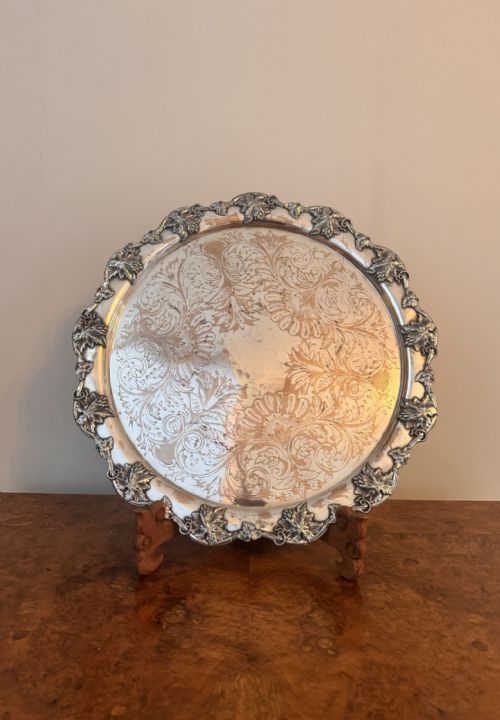
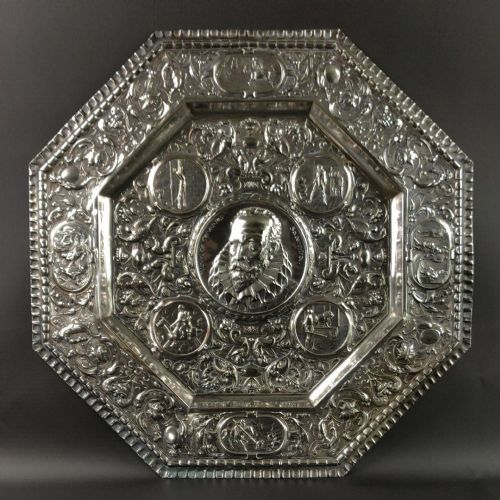
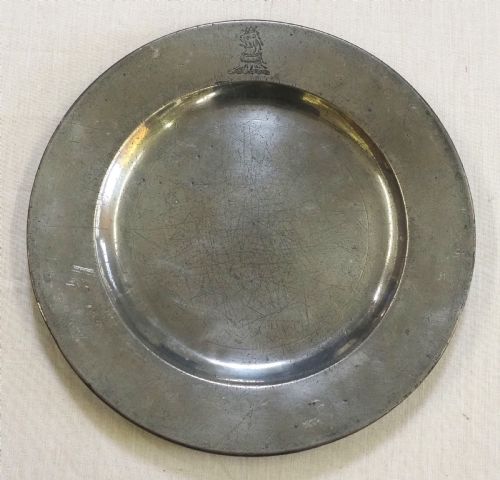
The pieces appearing here span several centuries, with a strong showing of nineteenth century examples alongside eighteenth century pewter items and twentieth century silver plated wares. Forms range from plain rim plates and commemorative dishes to repoussé chargers depicting historic scenes.
Makers and workshops of the past utilised various metals, meaning you find solid silver alongside silver plate, electroplated nickel silver, and pewter. These items often feature detailed crests, figural battles, or floral motifs adapted for formal display.
Materials and construction
The construction of these display plates relies heavily on base metals coated in silver, alongside traditional pewter and solid silver gilt. Workshops employed techniques such as repoussé work to hammer intricate designs like figural battle scenes and portraits into the metal from the reverse side.
Many items utilise silver plating over copper or bronze, a method that provided the appearance of solid silver at a different scale. Pewter chargers display plain rims, wavy edges, or hammered surfaces, reflecting the specific metalworking traditions of eighteenth century and earlier English makers.
Silver Display Plate Retail Price Guide 2026
Typical asking prices for silver display plate among the pieces listed under this phrase on Sellingantiques today, from the lower quarter to the upper quarter. They describe what is for sale here now, not the wider market.
Listings feature items spanning the eighteenth, nineteenth, and twentieth centuries, utilising materials from pewter and silver plate to glass and wood.
Judgement of quality
The quality of a display plate rests upon the crispness of the hand-worked detail and the weight of the metal. Superior examples exhibit deep, clean repoussé work where figures and foliage remain sharp rather than smoothed by wear or over-polishing.
Substantial weight in the hand indicates a better gauge of metal, whether dealing with heavy silver plated bronze, solid silver gilt, or thick English pewter. The integrity of the plating and the clarity of maker marks or crests further separate standard items from finer work.
James Spackman·Thomas Templeman·Thomas Powell·S Duncomb·Elkington
The Silver Display Plate Glossary
- Charger
- A large decorative plate or dish traditionally used on sideboards or beneath smaller courses. These substantial pieces often feature deep wells and ornate borders.
- Repoussé
- A metalworking technique where the artisan hammers the design from the reverse side to form raised patterns in relief on the front. This method creates tactile depth on figural and floral scenes.
- Silver Plate
- A layer of silver bonded to a base metal such as copper, brass, or nickel silver. This process allowed makers to produce large display items with a bright metallic finish.
- Pewter
- A malleable alloy consisting largely of tin, historically used for domestic and decorative plates. Older pieces often develop a dark grey patina over time.
Silver Display Plate: Frequently Asked Questions
What is a silver display plate used for?
These large plates function primarily as decorative objects for sideboards, walls, or tables. They provide a reflective metallic surface that catches light and showcases detailed craftsmanship.
Historically, larger chargers sat on sideboards to display wealth or supported other vessels during formal meals. Today, collectors place them on walls or tables as focal points in a room.
How do I clean an antique silver plate?
Cleaning requires a soft cloth and a specialised silver polish designed to remove tarnish without stripping the underlying plate. Gentle maintenance preserves the fine details of repoussé work.
Harsh abrasives and chemical dips must be avoided, as they damage older surfaces and remove historical patinas. Regular dusting with a dry microfibre cloth usually suffices for daily care.
How can I tell pewter from silver plate?
Pewter possesses a duller, greyish tone and a softer feel compared to the bright, reflective sheen of silver plate. It does not tarnish with the bright yellow or black hues typical of silver.
Many pewter items feature maker touches or hallmarks specific to guilds and individual pewterers. Silver plate often reveals the underlying base metal where heavy wear occurs over time.
Are these plates meant for food?
Most antique display plates and chargers are intended strictly for decorative use rather than serving food. The materials, particularly older silver plate and antique pewter formulations, are unsuited for modern dining.
Using them for display protects the delicate surface decoration and any aged patinas. Wall mounting or sideboard placement keeps the pieces secure and visible.