






Silver Desk Stationery
Silver desk stationery gathers the inkstands, letter openers, and clips that kept writing desks orderly across the Georgian, Victorian, and Edwardian eras.
Silver Desk Stationery
Silver desk stationery encompasses utilitarian pieces designed for writing desks, ranging from inkstands and stationery boxes to letter clips and openers. These objects date across the Georgian, Victorian, and Edwardian periods, alongside Art Deco and Art Nouveau examples.
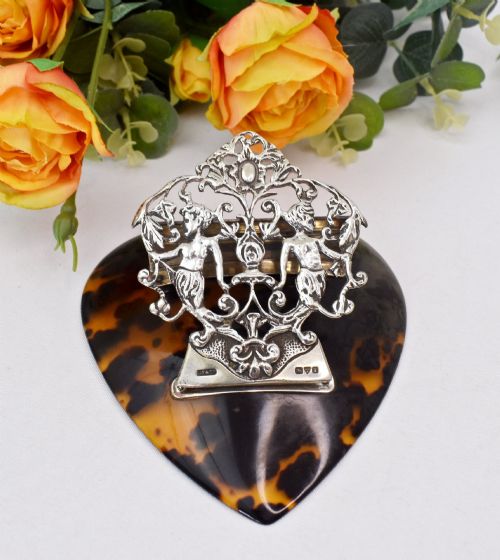
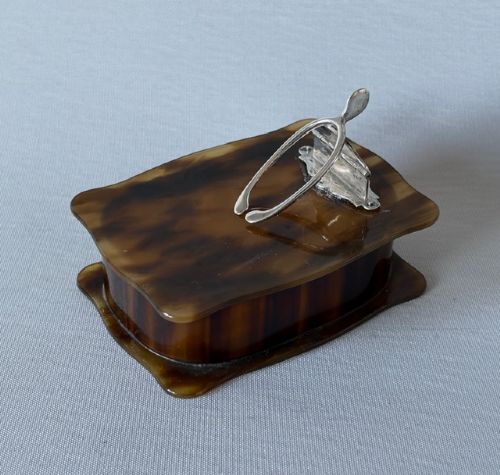
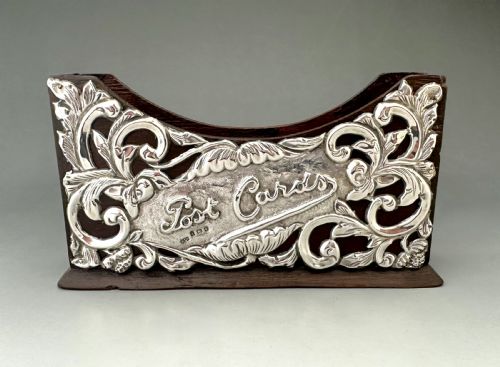
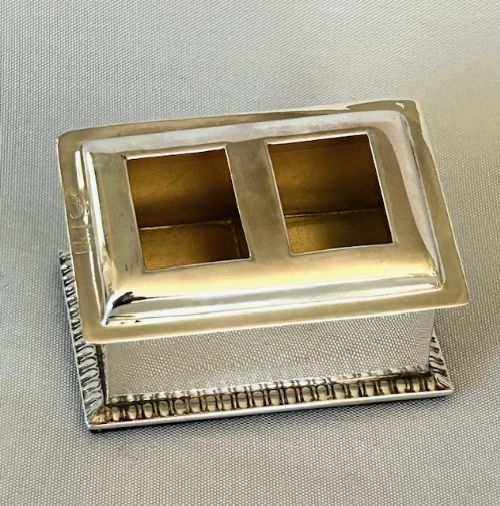
Buyers frequently encounter Edwardian silver-mounted accessories, including double stamp boxes, tortoiseshell stirrup clips, and letter holders. Novelty pieces, such as butterfly and golfing clips from the Victorian and Edwardian years, appear alongside functional folders and notelet cases.
Materials and construction
Craftsmen utilised hinged mechanisms for desk clips and stamp boxes, alongside glass-cutting for inkwells and seals. Enamel work and mounted metal details frequently decorate folio covers and letter racks.
Silver Desk Stationery Retail Price Guide 2026
Typical asking prices for silver desk stationery among the pieces listed under this phrase on Sellingantiques today, from the lower quarter to the upper quarter. They describe what is for sale here now, not the wider market.
Markers of distinction
Quality rests upon the crispness of casting in novelty letter clips and the integrity of organic materials like tortoiseshell and amber glass. Pieces bearing clear hallmarks and maker attribution command greater distinction.
The sophistication of integrated design, such as combination desk sets with intaglio-coloured glass seals or fitted stationery boxes, separates standard accessories from finer examples.
Cartier·Tiffany and Co·Daniel Holy of Sheffield
The Silver Desk Stationery Glossary
- Inkstand
- A fitted tray or stand holding inkwells, pen holders, and sometimes a sander or wafer box. It formed the centrepiece of the writing table.
- Stationery box
- A desk box featuring tiered compartments specifically sized for holding writing paper, envelopes, and correspondence. They often include hinged lids or folding fronts.
- Letter clip
- A spring-loaded desk accessory designed to hold incoming mail or notes securely on the writing surface. Victorian examples frequently utilised novelty animal or figural motifs.
- Guilloche enamel
- A decorative technique where intricate geometric patterns are mechanically engraved beneath a translucent enamel layer. It appears on Art Deco desk accessories.
- Intaglio
- A design carved into the surface of a gemstone or glass seal so that a raised impression is left in sealing wax. These seals were frequently housed in boxed desk sets.
Silver Desk Stationery: Frequently Asked Questions
What is a silver letter clip?
A silver letter clip is a desk accessory featuring a spring-loaded jaw designed to hold correspondence upright on a writing table. They were produced in various novelty shapes during the Victorian and Edwardian eras.
These clips kept active letters visible and organised before filing. Many incorporate tortoiseshell panels or figural designs such as butterflies and hearts.
How do I date an inkstand?
Dating an inkstand relies on examining the assay office hallmarks, style characteristics, and associated materials like oak, Sheffield plate, or sterling silver. Georgian and Victorian pieces often display distinct architectural forms.
Checking for maker marks and stylistic cues such as Art Nouveau curves or George III proportions helps narrow the production period.
What materials are used in desk sets?
Desk sets combine sterling silver or silver plate with structural elements of wood, leather, and glass. Decorative accents frequently include tortoiseshell, velvet, amber glass, and enamel.
These mixed media combinations provided both durability and visual contrast for heavy daily use on writing desks.
How were stationery boxes used?
Stationery boxes sat on top of desks to store clean writing paper, cards, and envelopes neatly in upright slots. They protected paper from dust and kept the desktop clear.
Many examples feature sloping lids or folding fronts that reveal fitted interiors designed specifically for correspondence materials.