

Silver Cutlery in Box
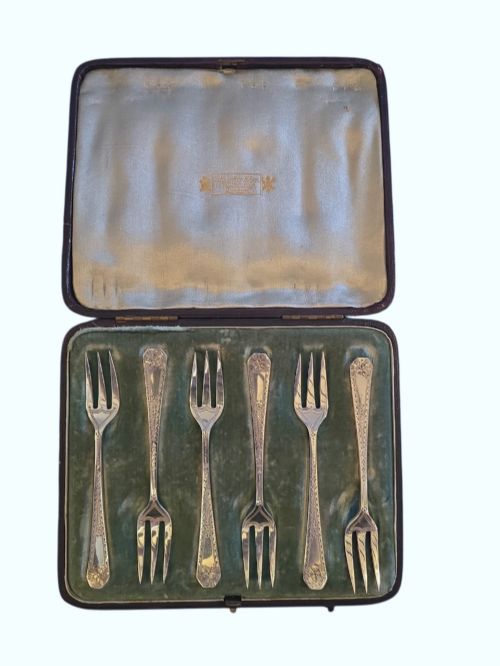
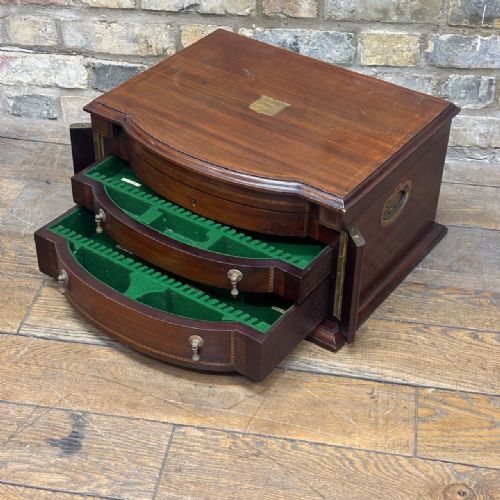
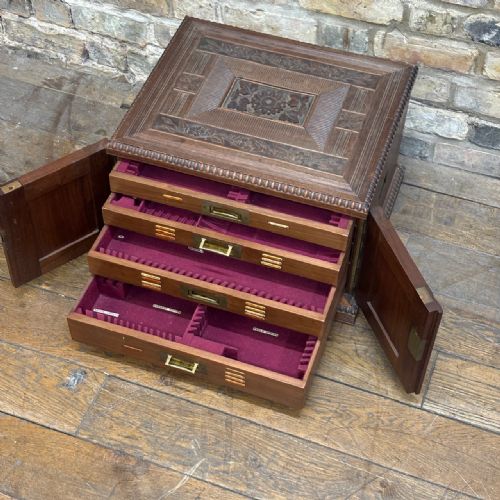
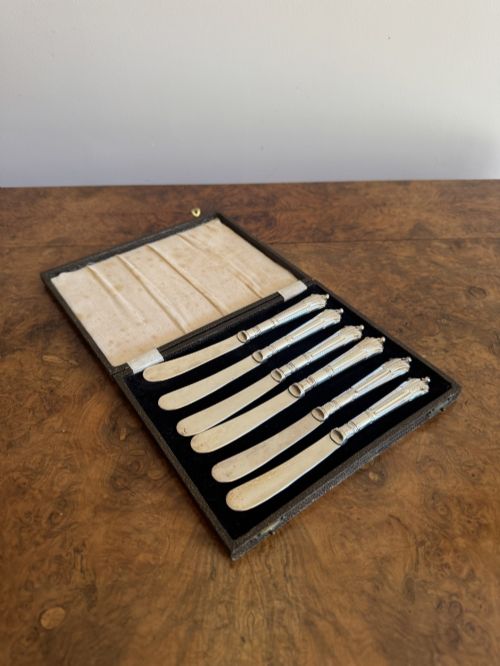
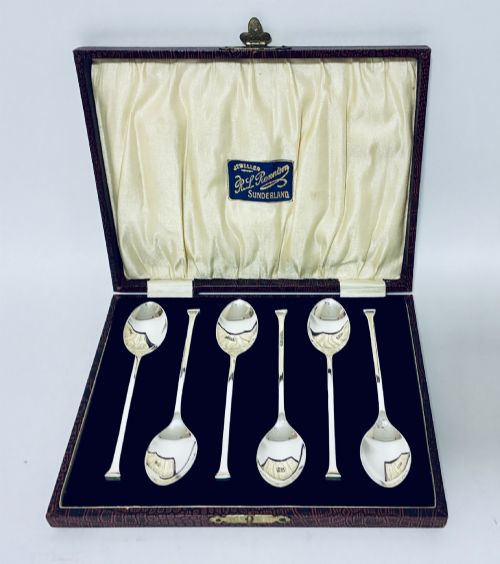
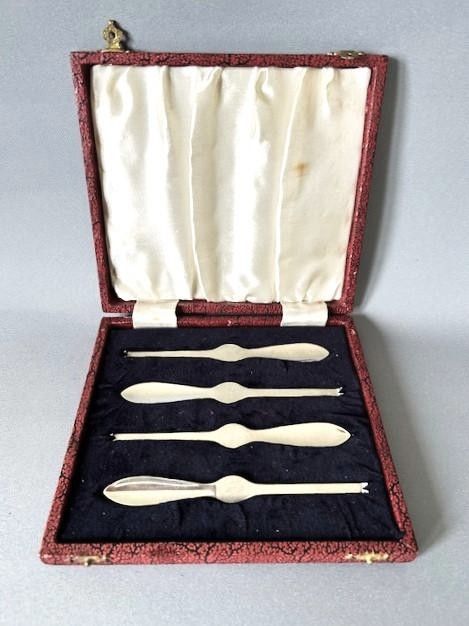
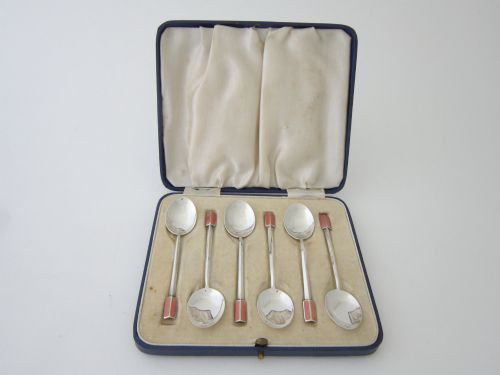
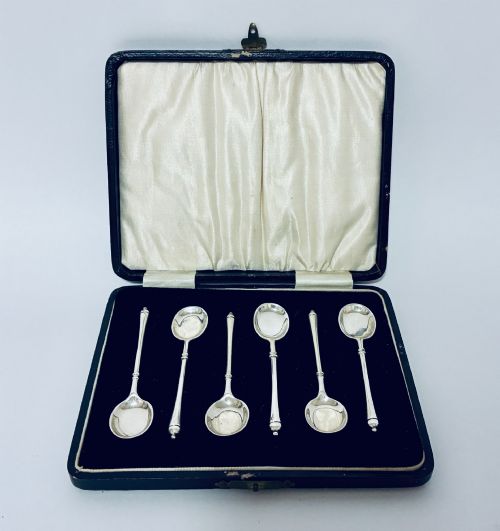
Silver cutlery in box brings together fitted wooden cases and precious metal implements designed for dining, serving and special occasions.
Silver Cutlery in Box
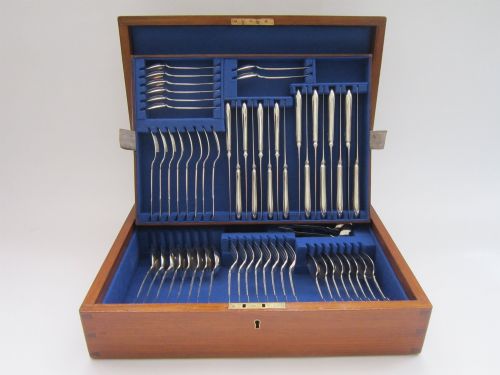
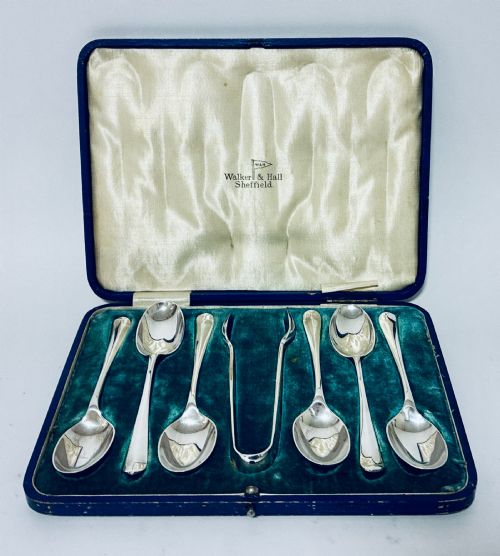
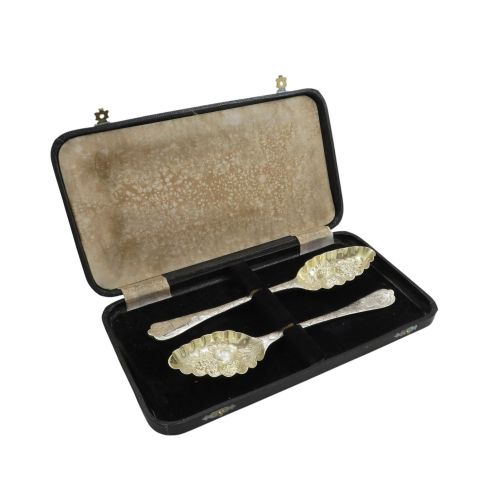
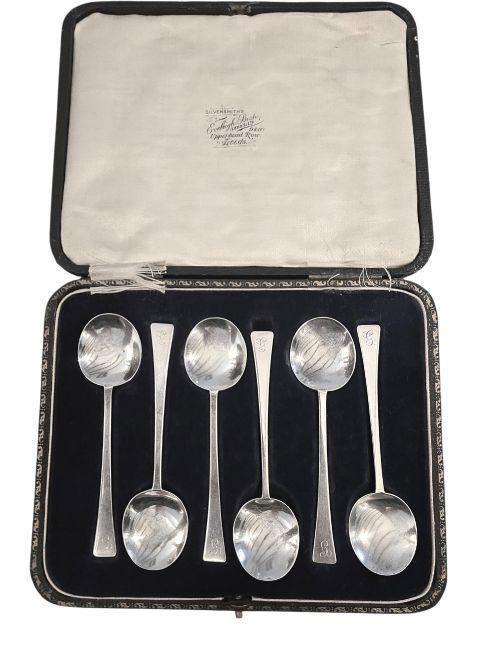
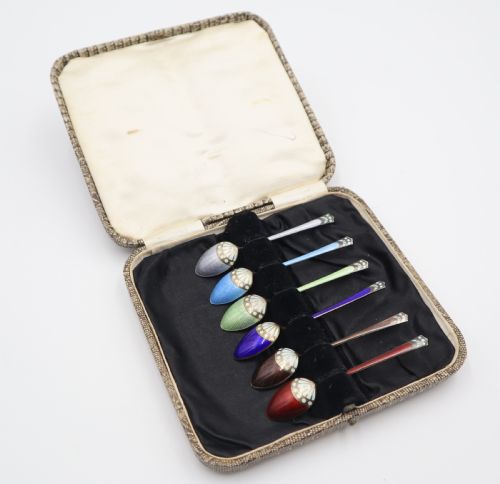
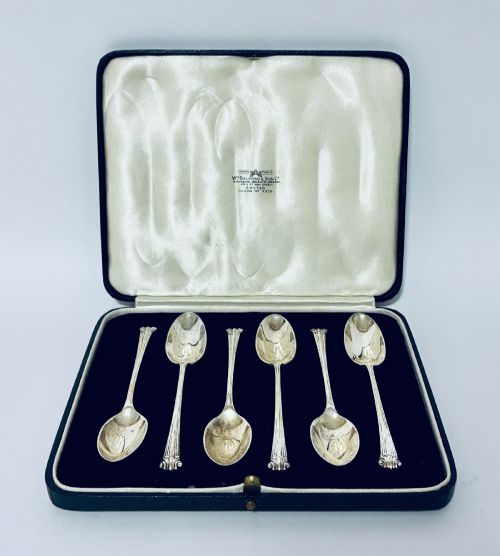
Silver cutlery in box encompasses everything from single-place settings and canteens containing dozens of pieces to specialised implements like grape shears, butter knives, christening sets and fish servers.
The options span periods from the Georgian era through the Victorian, Edwardian and Art Deco years into the mid-twentieth century, with Victorian and Edwardian examples appearing most frequently.
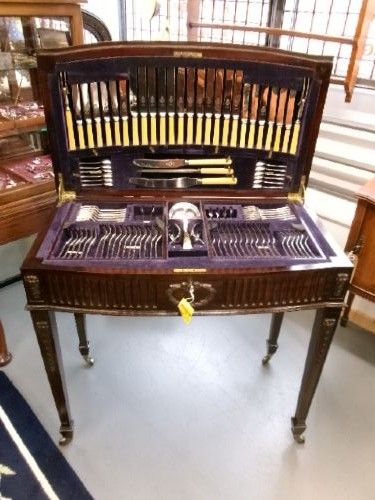
These sets range from modest silver-plated butter knives in simple containers to extensive sterling silver canteens housed in fitted wooden cases.
Materials and Technique
Utensils are fashioned primarily from sterling silver or silver plate, frequently paired with handles of mother of pearl, porcelain, enamel or bone.
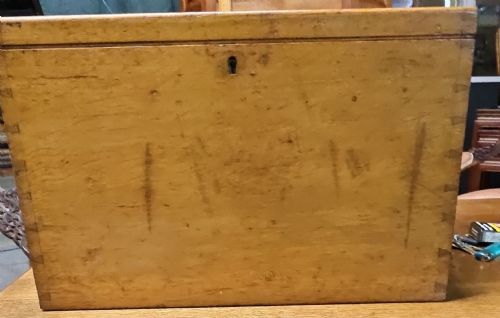
Cases utilise woods such as mahogany, satinwood and oak, lined internally with velvet, satin, silk or leatherette to protect the metalwork.
Silver Cutlery in Box Retail Price Guide 2026
Typical asking prices for silver cutlery in box among the pieces listed under this phrase on Sellingantiques today, from the lower quarter to the upper quarter. They describe what is for sale here now, not the wider market.
Listings feature items spanning from the Georgian period through the Victorian, Edwardian and Art Deco eras.
Quality and Distinction
Distinctions in quality rest upon the weight and purity of the metal, the intricacy of patterns such as Fiddle or Rococo Revival, and the integrity of the fitted box.
Sets featuring matched makers' marks across every utensil command attention, as do those retaining their original lining, key and fitted compartments.
Christofle Marly·Asprey And Co·Harrods·P A W Bateman
The Silver Cutlery in Box Glossary
- Sterling silver
- A silver alloy containing 92.5 percent pure silver by mass, standard in British hallmarked cutlery. It forms the backbone of traditional dining sets.
- Silver plate
- A base metal coated with a layer of pure silver, offering the visual appeal of solid metal at a different scale of production. It appears frequently in large canteens.
- Canteen
- A fitted box or cabinet designed specifically to hold and protect a complete set of cutlery. These containers often feature multiple velvet-lined tiers.
- Fiddle pattern
- A traditional nineteenth-century flatware design characterised by a slender stem that broadens into a shoulder before spreading into a flattened, fiddle-like terminal. It remains a hallmark of Victorian dining ware.
- Mother of pearl
- The iridescent inner layer of pearl oyster shells, utilised for knife and fork handles. Its natural lustre provides a contrast to polished silver.
Silver Cutlery in Box: Frequently Asked Questions
How do I clean tarnished silver cutlery?
Silver accumulates tarnish through exposure to sulfur in the air, which can be removed using a specialised cloth or a gentle silver dip suitable for flatware.
After cleaning, rinse the pieces thoroughly in warm water and dry them completely before returning them to their fitted box.
Can I use antique cutlery every day?
Many people choose to incorporate these silver utensils into daily meals, provided they are washed by hand rather than placed in an automatic dishwasher.
Harsh detergents and high heat can damage handles made of mother of pearl, bone or enamel.
How do I identify the date of my set?
British hallmarked silver typically bears a combination of duty marks, date letters, lion passant standards and town marks stamped directly onto the metal.
Matching these hallmarks against published assay office records reveals the exact year and location of manufacture.
What is the purpose of specialised cutlery?
Victorian and Edwardian dining habits involved specific utensils designed for particular foods, such as grape shears for fruit, lobster picks for shellfish and servers for fish.
These specialised tools reflect the formal etiquette and structured course dining of their respective periods.