




Silver Craft Accessories
Silver craft accessories bring useful utility and distinct design to the desk or dining table, shaped by the hands of master metalworkers.
Silver Craft Accessories
Silver craft accessories encompass small functional items designed during the Arts and Crafts and Celtic Revival movements. Buyers exploring silver craft accessories frequently encounter napkin rings, letter openers, and stamp cases alongside more unusual forms like miniature models and menu holders.
These pieces date predominantly from the Edwardian era through the mid-twentieth century, capturing a period of significant hand-wrought metalwork. The forms reflect domestic utility combined with artistic ambition, ranging from simple napkin rings to elaborate presentation folding chairs.
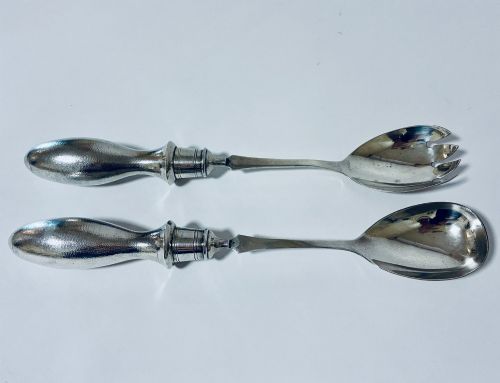
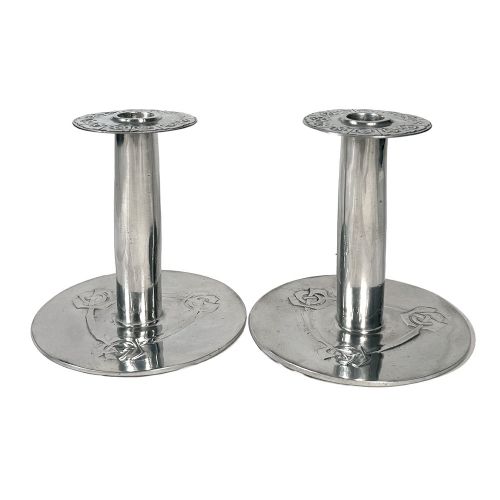
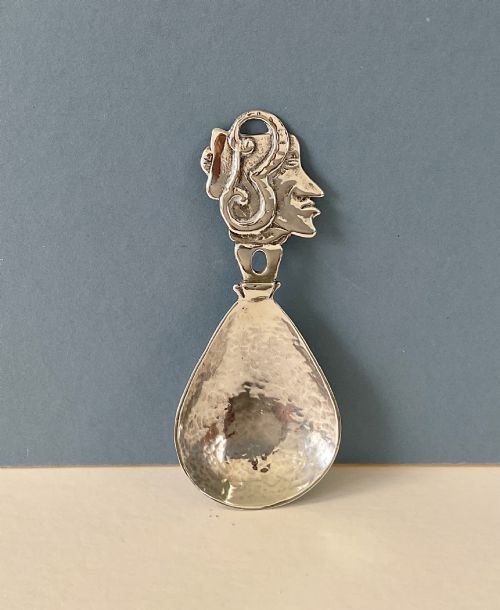
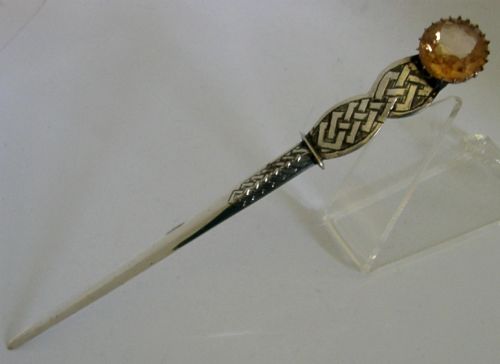
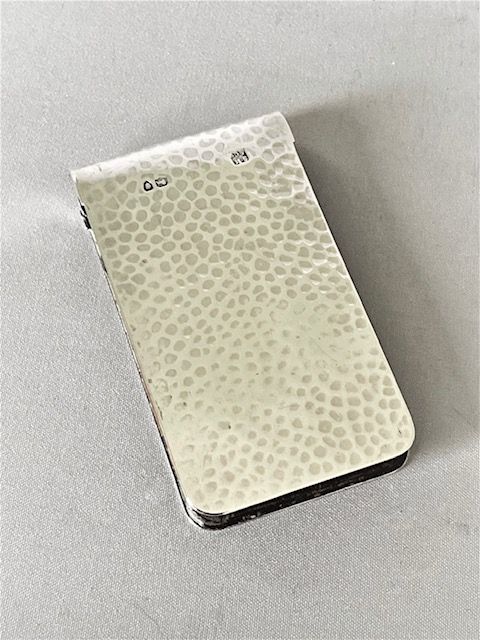
Objects on this page demonstrate the distinct material choices of their makers, frequently pairing sterling silver with vibrant enamel or citrine stones. The designs rely on honest construction methods that celebrate the hammer mark and the properties of the metal.
How they were made
Craftsmen shaped sterling silver and pewter by hand, raising and hammering the metal to achieve durable, tactile surfaces. Artisans frequently incorporated vitreous enamel and polished citrine stones to add colour and focal points to the design.
Joinery and construction methods remained visible, celebrating the manual labour involved rather than hiding behind machine-polished perfection. Wood and fabric occasionally served as backing or interior elements to support delicate silver work.
Silver Craft Accessories Retail Price Guide 2026
Typical asking prices for silver craft accessories among the pieces listed under this phrase on Sellingantiques today, from the lower quarter to the upper quarter. They describe what is for sale here now, not the wider market.
The listings here span the Edwardian era through the nineteen-forties, featuring sterling silver, pewter, enamel, and citrine.
What varies in quality
The distinction between standard production and exceptional work rests upon the depth of hand-finishing and the integrity of the design. Workshops that employed skilled chasers and enamellers produced pieces with superior visual weight and colour fidelity.
Maker attribution elevates certain items, as pieces bearing the mark of prominent guilds or specific designers display superior proportions and detailing. The integration of gemstones like citrine or complex enamel work further separates standard utility pieces from masterworks.
Sampson Morden·Liberty and Co·Artificer's Guild·Guild of Handicraft·Omar Ramsden
The Silver Craft Accessories Glossary
- Arts and Crafts
- A design movement that rejected mass production in favour of hand-wrought simplicity and traditional craftsmanship. It values the honest display of construction and materials.
- Vitreous Enamel
- Glass fused to metal through high-temperature firing to produce a durable, coloured surface. It provides rich hues on buckles, napkin rings, and decorative boxes.
- Citrine
- A yellow or orange variety of quartz frequently set into silver mountings. It serves as a bright gemstone accent in letter openers and napkin rings.
- Pewter
- A malleable metal alloy composed principally of tin, used to create domestic items. It offers a softer lustre than silver while accommodating similar hand-beaten styles.
- Sterling Silver
- An alloy consisting of silver and other metals to increase durability while maintaining brilliance. It forms the primary structural material for most items in this category.
Silver Craft Accessories: Frequently Asked Questions
What defines silver craft accessories?
These pieces are small domestic and desk objects created during the Arts and Crafts movement, featuring hand-worked surfaces and traditional construction.
They combine utility with artistic design, encompassing items such as napkin rings, mustard pots, and letter openers.
How do I care for silver and enamel?
Cleaning requires gentle washing with mild soap and warm water, avoiding harsh abrasive dips that damage enamel or stone settings.
Soft cloths preserve the polished finish without wearing away the hand-hammered details characteristic of the period.
How are these pieces dated?
Hallmarks stamped directly onto the silver provide precise assay office locations and specific year ciphers.
Stylistic cues such as Celtic revival motifs or hand-beaten textures further help place items within the Edwardian and mid-century eras.
Where were these items used?
Owners placed them across dining tables, writing desks, and dressing rooms for daily domestic organisation.
Items like stamp cases and letter openers sat in studies, while napkin rings and menu holders served formal dining settings.