



Silver Compote Dishes
Silver compote dishes are raised pedestal vessels for fruit and sweets, bringing height and gleam to a table.
Silver Compote Dishes
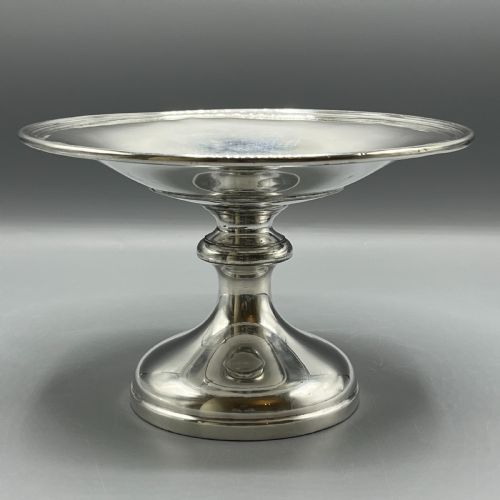
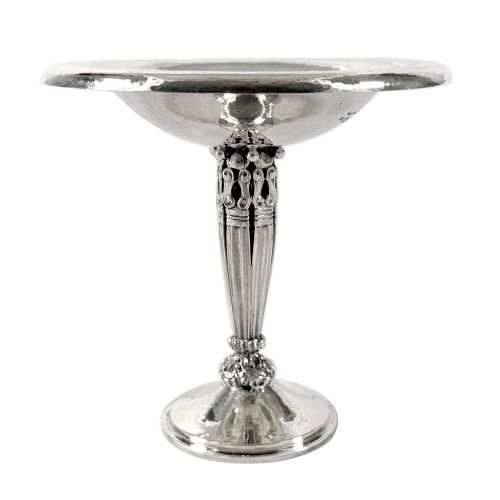
Silver compote dishes stand on raised feet or pedestals, functioning as centrepieces, tazzas, and fruit bowls. When you search for silver compote dishes, you encounter forms ranging from Georgian pedestal dishes with gilt interiors to Edwardian pierced centrepieces and twentieth century modernist designs.
The selection includes pieces shaped as footed bowls, bon bon dishes, and handled vessels. Origins span English workshops, Scottish assay offices, Anglo-Indian creators, and continental European makers.
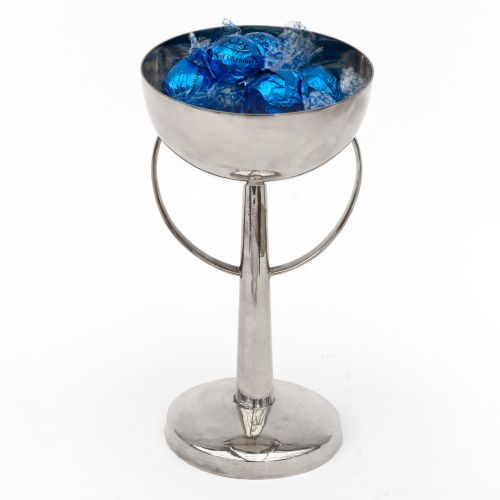
Styles stretch from traditional Georgian and Edwardian work through Arts and Crafts hammered surfaces to Art Deco geometric forms. You will find items fashioned from sterling silver, silver plate, vermeil, chrome, and cut glass, often paired with bowls or dishes.
Materials and construction
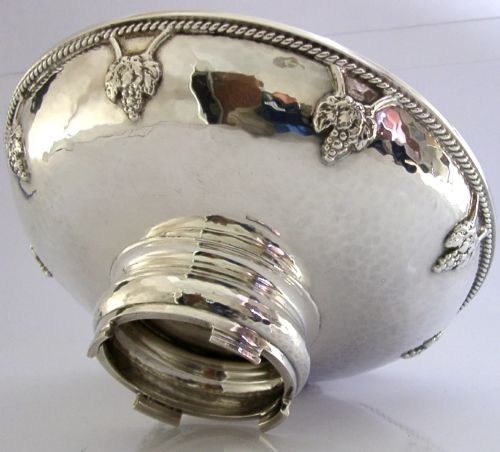
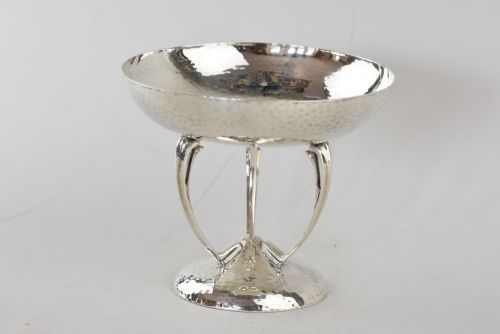
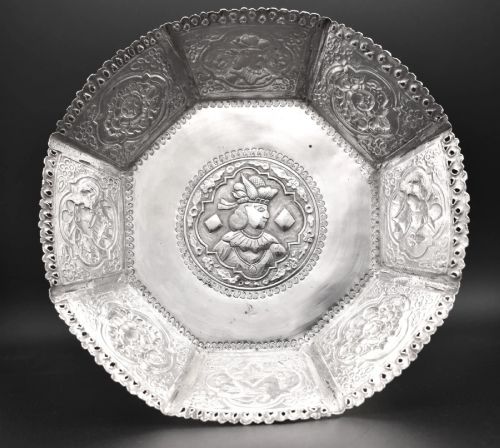
Construction relies heavily on sterling silver and silver plate, alongside metal and chrome in later twentieth century examples. Workshops employed techniques such as hammering, seen in Arts and Crafts pieces, and repoussé work for textured, ornate surface decoration.
Piercing creates delicate openwork patterns on rims and bowls, whilst gilding produces contrasting gilt interiors inside silver vessels. Footed bases and pedestals are joined securely to the main bowl, sometimes incorporating cut glass components.
Silver Compote Dishes Retail Price Guide 2026
Typical asking prices for silver compote dishes among the pieces listed under this phrase on Sellingantiques today, from the lower quarter to the upper quarter. They describe what is for sale here now, not the wider market.
Listings feature periods from the eighteenth century through the Edwardian era to Art Deco and mid-century modernism.
Assessing quality and craftsmanship
Quality rests in the weight of the metal and the crispness of decorative detail, such as the depth of repoussé work or the precision of pierced patterns. Heavier gauge sterling silver pieces demonstrate substantial construction compared to lighter plated alternatives.
Maker attribution and assay marks elevate a piece, distinguishing workshop production from anonymous manufacturing. The balance of the pedestal and the integration of handles or applied ornamentation determine the success of the form.
A E Jones·Goldsmiths and Silversmiths Company·Charles Boyton·W M F·James Dixon & Sons
The Silver Compote Dishes Glossary
- Tazza
- A shallow bowl or dish mounted on a stem and foot, commonly used for serving fruit or small items of food.
- Comport
- An ornamental dish raised on a pedestal, traditionally used for desserts, fruit, or confectionery at the dining table.
- Repoussé
- A metalworking technique where the metal is hammered from the reverse side to form a raised design in relief on the front.
- Gilt interior
- A gold wash applied to the inside of a silver vessel, offering a pleasing contrast and protecting the silver from certain foods.
- Pierced work
- Openwork patterns created by cutting or piercing decorative designs through the silver wall of a bowl or rim.
Silver Compote Dishes: Frequently Asked Questions
What is a compote dish used for?
These elevated vessels serve fruit, sweets, and small desserts at the dining table. They function primarily as decorative centrepieces that add height and structure to a table setting.
Historically, they held pride of place during formal meals, displaying seasonal produce or confectionary for guests.
How do I clean silver compote dishes?
Clean sterling silver compote dishes with a soft cloth and a gentle silver polish specifically formulated for precious metals. Avoid abrasive pads or harsh chemicals that can damage chased or repoussé surfaces.
Silver-plated items require similar care, using milder agents to prevent wearing away the thin layer of precious metal over the base material.
How do I identify the age of a silver dish?
Examine the piece for hallmarks, maker marks, and assay office stamps which indicate the year of manufacture and place of testing. Style cues, such as Edwardian piercing or Art Deco geometric lines, provide further clues to the period.
Weight, construction methods, and the presence of hand-hammered marks also help distinguish older traditional pieces from twentieth-century designs.
Can I use silver compote dishes daily?
Silver compote dishes handle everyday use well, provided you wash them by hand promptly after serving food. Acidic foods left on silver surfaces can cause tarnishing or spotting if left unattended.
Storing them properly when not in use helps maintain their finish and protects delicate pedestals and pierced rims from accidental knocks.