





Silver Centrepiece Tray
A silver centrepiece tray brings undeniable presence to a dining table, holding everything from fruit to serving dishes with historic elegance.
Silver Centrepiece Tray
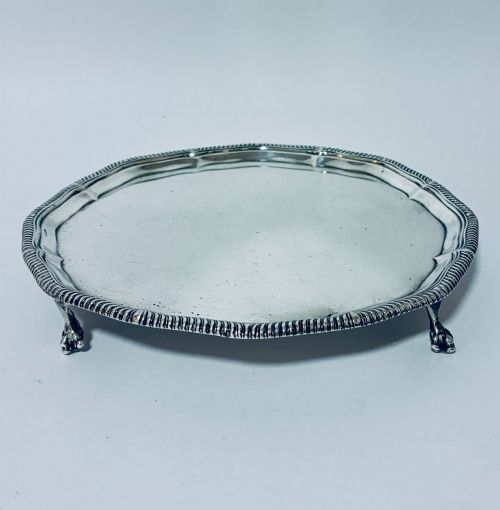
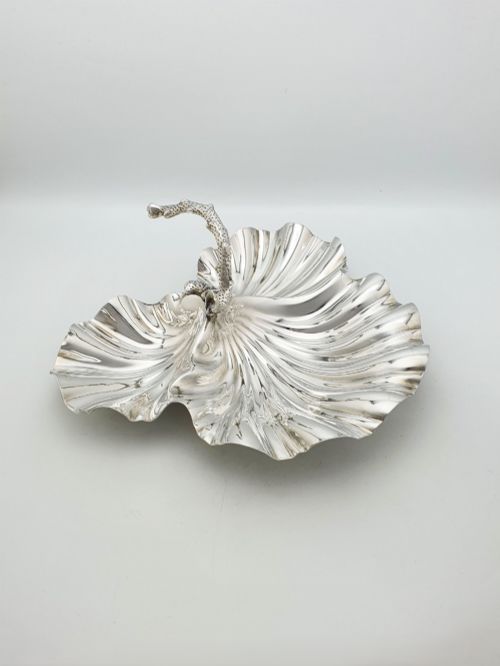
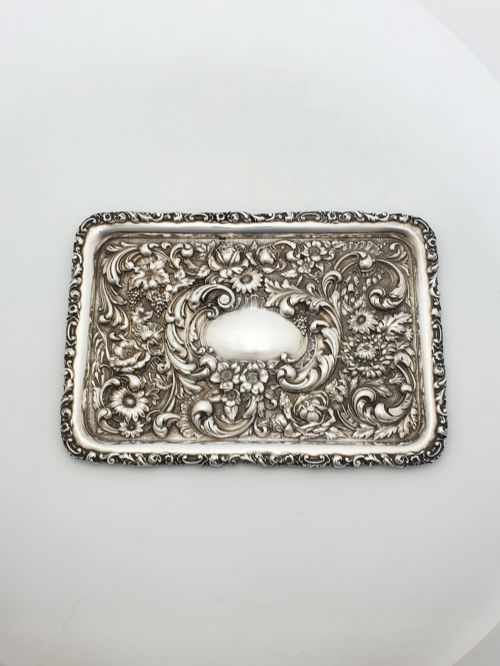
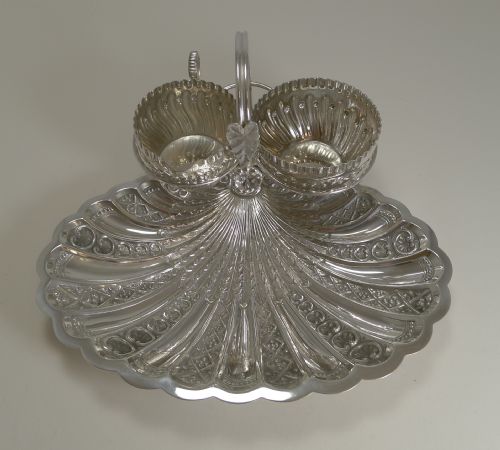
A silver centrepiece tray gathers diverse forms designed for display and service on the dining table or sideboard. When seeking a silver centrepiece tray, buyers encounter items ranging from Victorian silver-plated shell dishes and Edwardian sterling silver bread baskets to French Art Deco bowls.
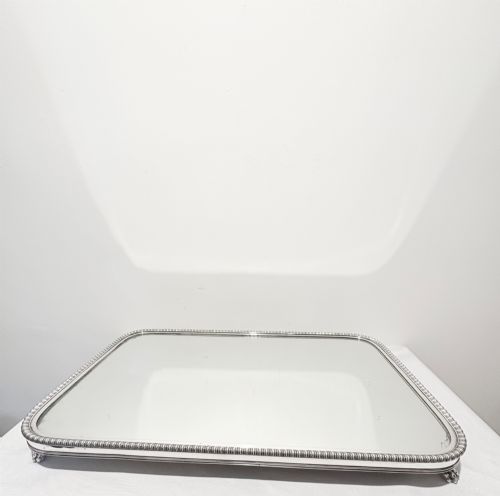
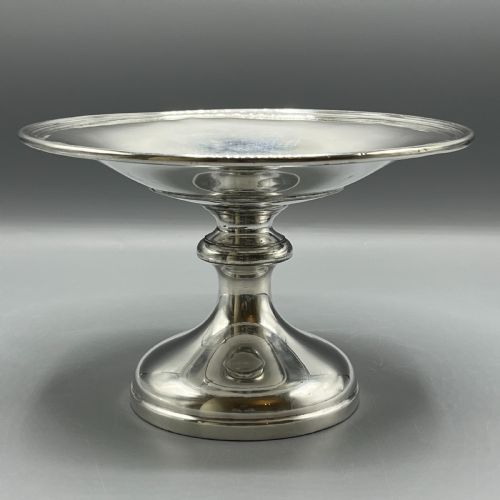
The selection spans several periods, moving from Georgian platters through Victorian naturalism and Edwardian refinement into Art Nouveau and Art Deco designs. Common variations include pedestal tazzas, mirrored table plateaus, shallow serving dishes, and handled baskets.
Origin points are equally varied, featuring English workshops, French studios, German manufacturing, and Austrian metalwork. The pieces serve both ornamental display functions and practical table service roles.
Materials and construction methods
Makers utilised a mixture of sterling silver, silver plate, EPNS, pewter, nickel silver, and silvered metal across these forms. Sterling silver examples carry town marks and assay dates, while plated items rely on applied silver over base metals or pewter foundations.
Decoration relied heavily on manual skill, demonstrated through repoussé work, floral engraving, pierced metalwork, and hammered surfaces. Glass inserts appear alongside metal frames in mirrors and plateau bases, adding reflective depth to the construction.
Silver Centrepiece Tray Retail Price Guide 2026
Typical asking prices for silver centrepiece tray among the pieces listed under this phrase on Sellingantiques today, from the lower quarter to the upper quarter. They describe what is for sale here now, not the wider market.
Distinctions in craftsmanship and design
The calibre of a piece rests upon the crispness of its hand-chased detail and the weight of the metal utilised in its formation. Finer items exhibit deep repoussé work, balanced proportions, and robust handles or feet that integrate cleanly with the main body.
Maker attribution also influences standing, with documented firms commanding greater attention for their registered designs and superior plating durability. The integrity of silver surfaces and the clarity of engraved or pierced patterns separate standard utility wares from exhibition-grade examples.
Mappin & Webb·Walker & Hall·John Hunt·Liberty & Co·Martin Hall·WMF·Brille·John Walton·Roberts and Belk·Archibold Knox
The Silver Centrepiece Tray Glossary
- Repoussé
- Metalworking technique where the design is hammered into relief from the reverse side. This method creates tactile, three-dimensional surface decoration on trays and bowls.
- Tazza
- A shallow bowl or dish raised on a pedestal foot. It serves as a display piece for fruit or sweetmeats on the dining table.
- Plateau
- A mirrored base or tray placed in the centre of a table. It reflects candlelight and elevates centrepiece ornaments.
- EPNS
- Electroplated nickel silver. This designates a base metal coated in a thin layer of silver through an electrical process.
Silver Centrepiece Tray: Frequently Asked Questions
What is a silver centrepiece tray used for?
These items were traditionally placed in the middle of a dining table to hold fruit, bread, or decorative arrangements during meals. They acted as visual focal points for formal dining.
Over time, their uses expanded to include serving dishes, card trays, and mirrored bases for display objects in the drawing room.
How do I care for silver plate?
Silver plate requires gentle cleaning with appropriate silver polishes to maintain the metallic lustre without wearing through the thin surface layer to the base metal beneath. Avoid abrasive cloths and harsh chemical dips that strip historic patination.
Store pieces in dry environments and handle them carefully by their edges or handles to prevent unnecessary fingerprint tarnishing.
How do I distinguish sterling silver from plate?
Sterling silver items bear official hallmarks including a lion passant or standard mark alongside assay office symbols and maker stamps. These punches confirm the metal purity meets legal standards.
Silver-plated items typically use marks indicating electroplating, maker trade names, or base metal indicators like EPNS rather than solid metal hallmarks.
How do I identify Art Nouveau pieces?
Art Nouveau items feature flowing, organic lines inspired by natural forms such as flower stems, climbing vines, and insect wings. Stylised floral motifs and whiplash curves dominate the surface decoration.
Pewter and silvered metal were common mediums for this style, frequently produced by makers like WMF and Liberty & Co.