

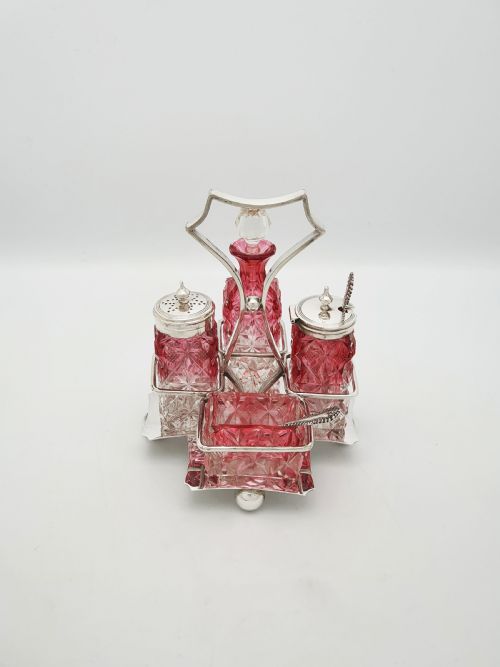


Silver Caster Pot
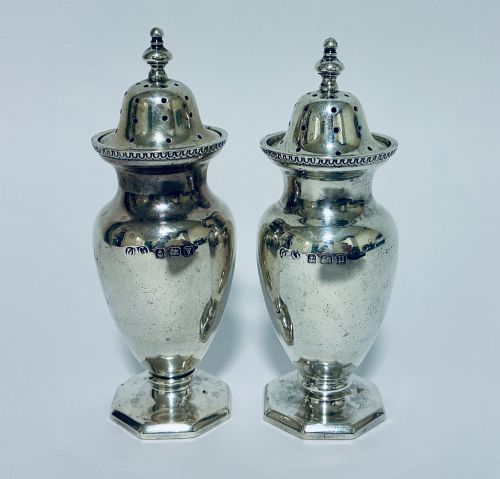
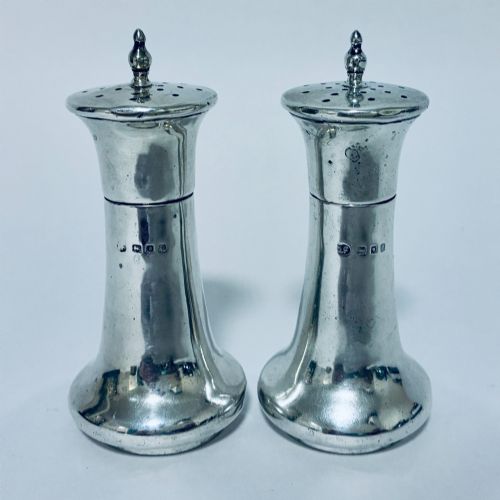
A silver caster pot stands ready on the dining table, dispensing sugar, pepper or pounce with steady grace.
Silver Caster Pot
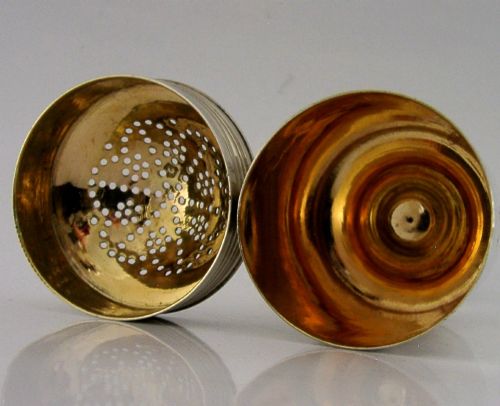
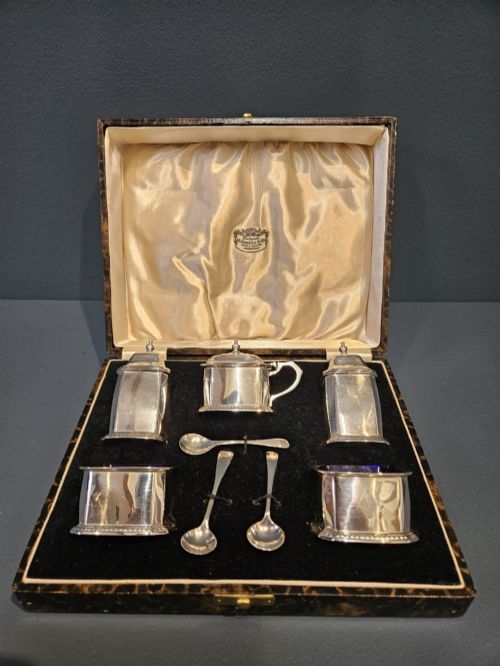
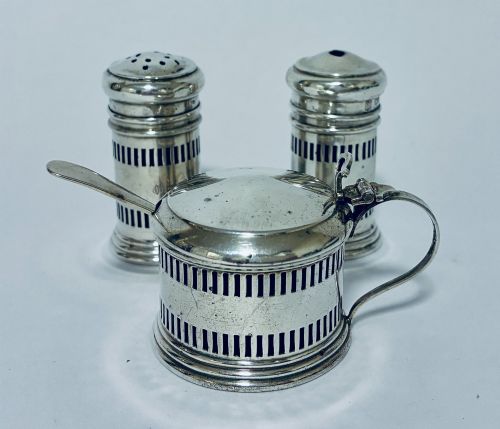
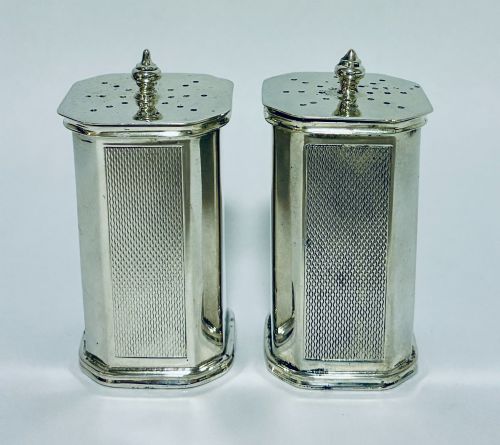
A silver caster pot serves to sprinkle dry condiments such as sugar, pepper or pounce across the table or desk. You will find examples spanning from the Georgian period through the Victorian and Edwardian eras into the twentieth century, often accompanied by cruet sets, condiment sets and salt tubs.
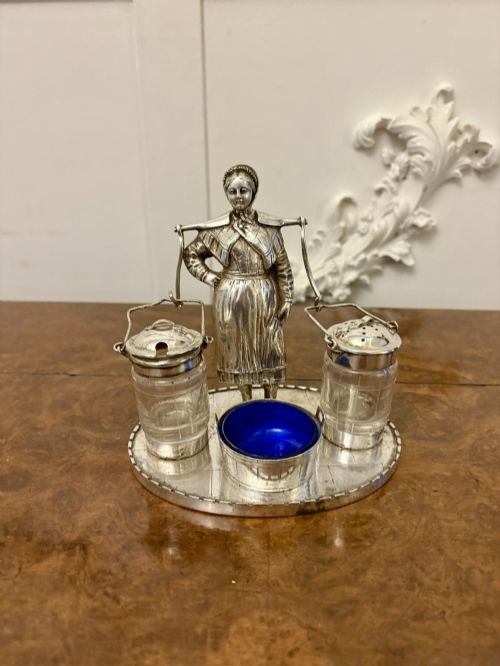
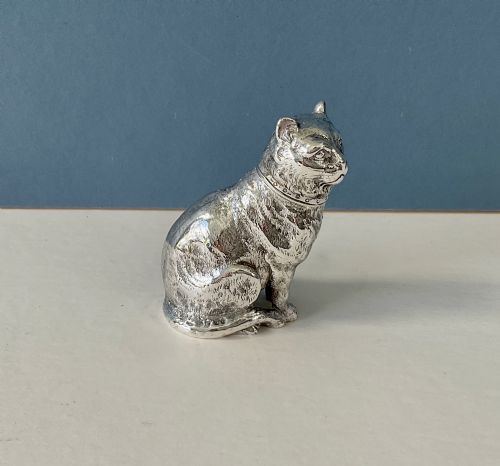
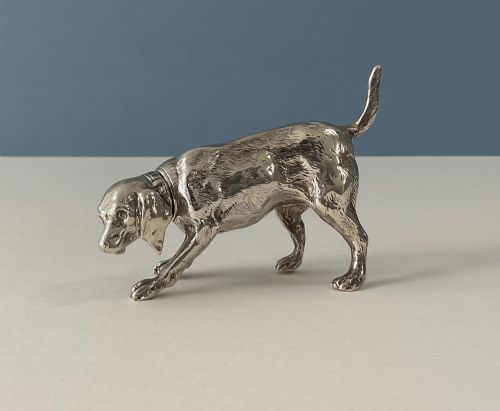
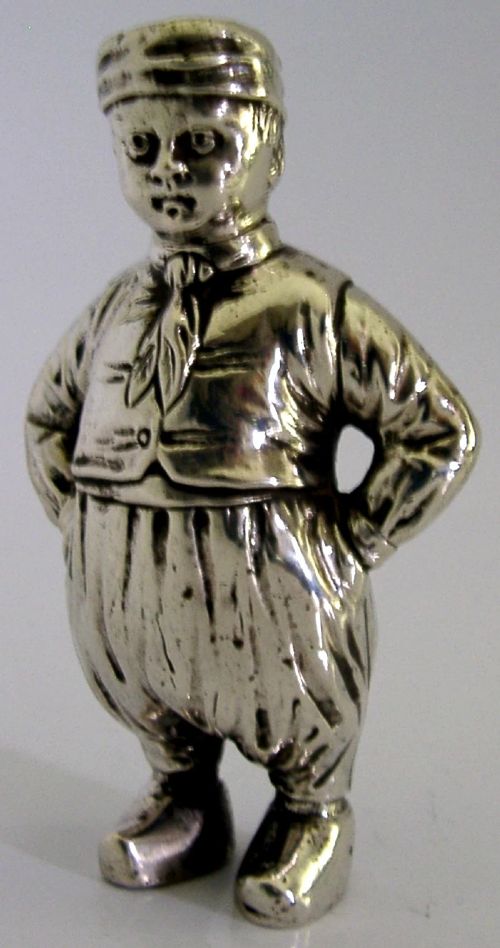
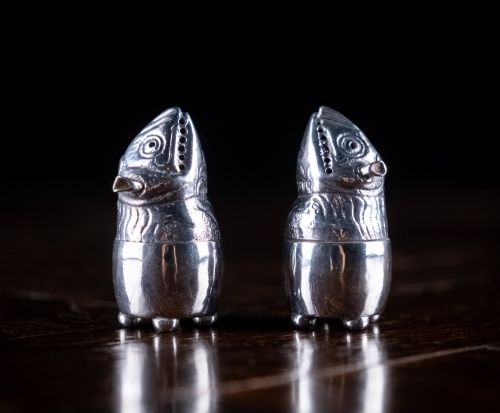
Many pieces take domestic or whimsical forms, including cats, dogs, owls, chicks, cocks and novelty figures. Others follow classical Georgian lines with piercing and crests, or lean into Art Deco geometric styles.
The materials range from sterling silver and solid silver to silver plate, combined with cut glass, cranberry flashed glass, cobalt glass, velvet and satin linings.
How they were made
Silversmiths shaped sterling silver and solid silver through casting, hammering and piercing to create decorative patterns on bodies and lids. Engraving added details such as family crests.
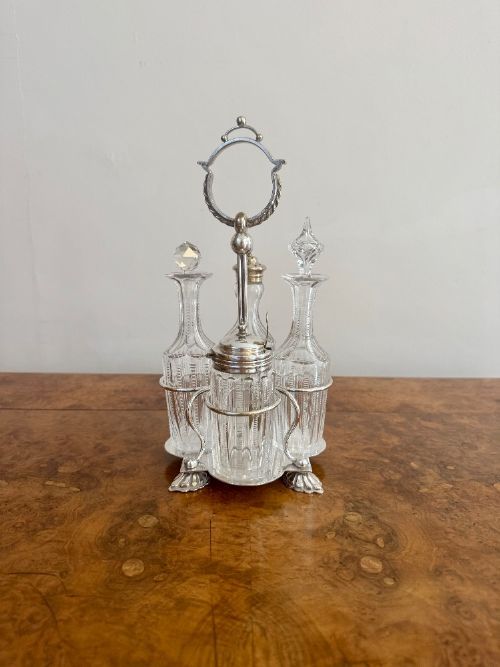
Silver plate techniques applied a thin layer of silver over base metals, frequently paired with cut glass bottles and cranberry flashed glass inserts for cruet frames.
Novelty pieces required careful figural casting to capture animals and characters with removable heads or screw fittings for refilling.
Silver Caster Pot Retail Price Guide 2026
Typical asking prices for silver caster pot among the pieces listed under this phrase on Sellingantiques today, from the lower quarter to the upper quarter. They describe what is for sale here now, not the wider market.
Listings feature sterling silver, silver plate, cut glass and cobalt glass across Georgian, Victorian and Edwardian periods.
What varies in quality
The weight of the metal and the crispness of the casting separate simpler utilitarian pots from ambitious figural novelties. Heavier gauge silver provides a reassuring balance in the hand.
The retention of original cut glass bottles, matching stoppers and clean silver plating defines the integrity of larger cruet and condiment sets.
Goldsmith & Silversmith's·Frederick Brasted·Mappin Brothers·James Goodwin·Wilmot Manufacturing Co.
The Silver Caster Pot Glossary
- Caster pot
- A small vessel with a pierced lid used for shaking powdered condiments or sand onto documents.
- Pounce pot
- A shaker filled with fine powder used to prepare parchment or paper for writing by absorbing oils.
- Cruet set
- A matched group of bottles, casters or pots held in a stand for condiments at the dining table.
- Muffineer
- A larger caster specifically designed for dusting buttered muffins with sugar.
- Pepperette
- A small shaker or pot designed specifically for holding and dispensing ground pepper.
Silver Caster Pot: Frequently Asked Questions
What is a caster pot used for?
A caster pot is used to sprinkle dry condiments like sugar or pepper over food, or to apply pounce to paper.
They sit on dining tables or writing desks, combining practical function with decorative craft.
How do I clean antique silver?
Clean antique silver gently with a soft cloth and a specialised silver polish to remove tarnish.
Avoid harsh chemical dips that strip away the natural patina accumulated over the decades.
What periods do these pieces come from?
The pieces span from the Georgian era through Victorian, Edwardian and Art Deco periods.
Styles range from classical George III designs to whimsical Victorian novelty animals.
Are cruet sets complete?
Cruet sets often include matched bottles, casters and salt cellars fitted into a silver or silver plated stand.
Individual sets vary in the number of glass bottles and shakers they retain.