



Silver Capped Glass
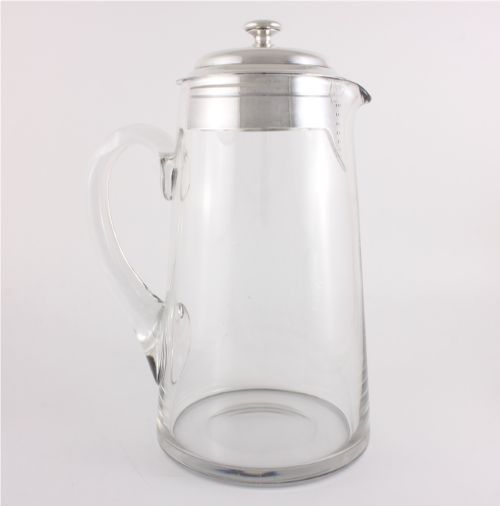
Silver capped glass unites functional vessels with precious metal mounts, offering practical utility and decorative craftsmanship from the nineteenth and twentieth centuries.
Silver Capped Glass
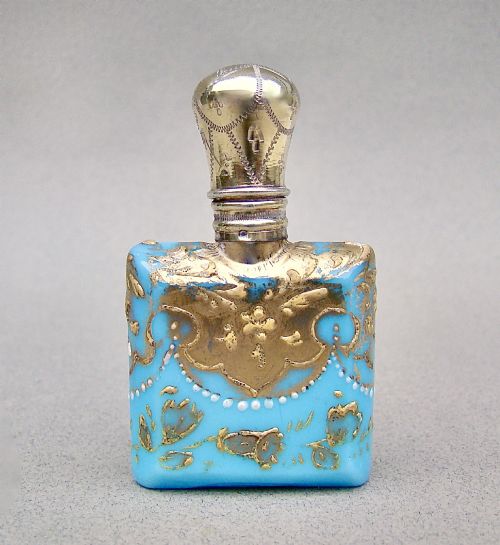
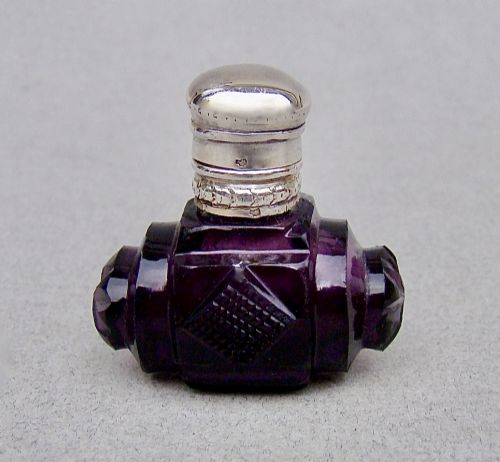
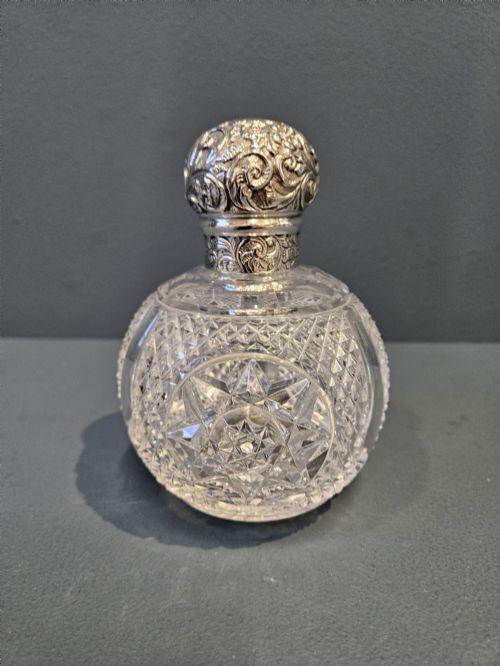
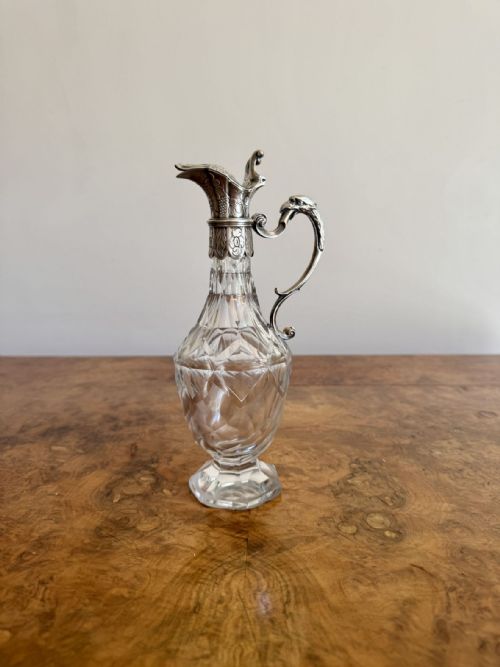
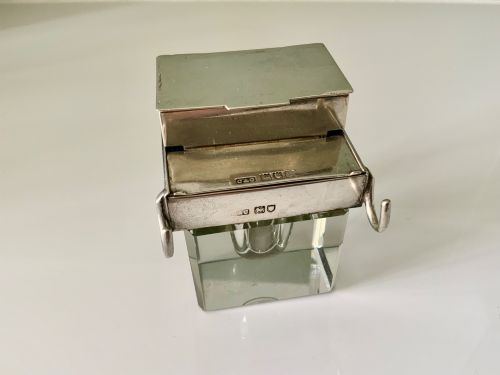
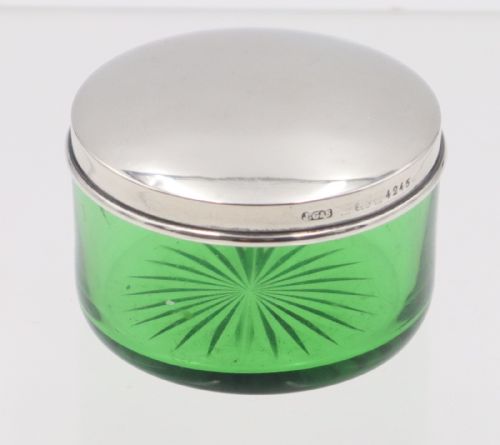
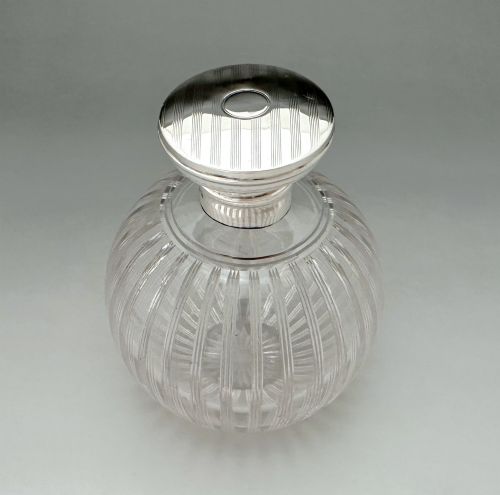
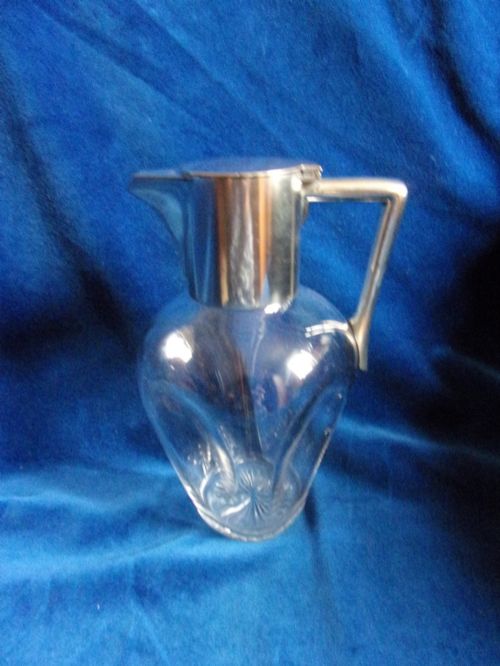
Silver capped glass pieces encompass a varied selection of antique and vintage items designed for personal and domestic use, featuring glass bodies secured with silver or silver-plated mounts. When you search for silver capped glass, you encounter functional objects ranging from scent bottles and hip flasks to decanters, inkwells, and vanity jars.
The objects span multiple periods, with Victorian and Edwardian examples appearing most frequently alongside pieces from the 1910s and 1920s. Common forms include Bristol blue, cranberry, green overlay, and cut crystal glass vessels paired with sterling silver or plated metal caps.
How they were made
The manufacture of these objects combined glassblowing and cutting techniques with metalworking. Glass vessels were blown into moulds or shaped by hand, sometimes utilising layered overlay techniques or deep cutting to create faceted patterns.
Metal caps, collars, and lids were fabricated from sterling silver or silver plate, frequently incorporating hinged mechanisms, screw tops, or removable cups. Artisans decorated the metal components through chasing, embossing, or enamelling, before securing them to the glass necks with adhesives or threaded collars.
Silver Capped Glass Retail Price Guide 2026
Typical asking prices for silver capped glass among the pieces listed under this phrase on Sellingantiques today, from the lower quarter to the upper quarter. They describe what is for sale here now, not the wider market.
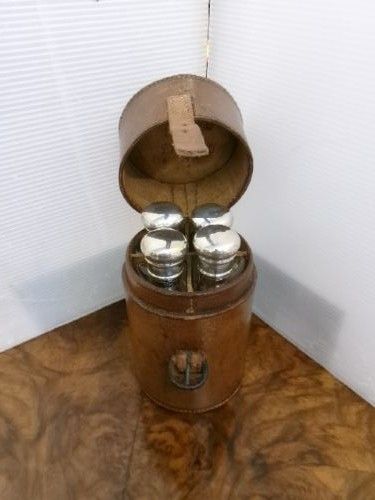
Listings for silver capped glass include accessories paired with leather cases, crocodile skin coverings, and sterling silver or plated metal mounts.
What varies in quality
Quality in silver capped glass depends upon the precision of the glass cutting and the weight of the metal mount. Heavier gauge silver and thick, resonant cut crystal distinguish finer productions from lighter, simpler items.
The integration between the glass body and the metal cap also separates tiers of craftsmanship. Tighter seals, well-fitted hinges, and clear hallmarks or maker marks indicate superior execution.
Christofle·Hukin & Heath·James Dixon·Asprey
The Silver Capped Glass Glossary
- Cranberry glass
- A transparent red glass created by adding gold chloride to the molten batch. It is frequently seen in Victorian scent bottles and vanity jars.
- Cut glass
- Glass decorated by grinding facets or geometric patterns into the surface with a wheel. This technique enhances the refractive quality of the material.
- Overlay glass
- Glass composed of two or more distinct colour layers where portions of the outer layer are cut away to reveal the contrasting glass beneath.
- Hip flask
- A pocket-sized container for holding liquor, typically featuring a curved glass body, a captive or screw cap, and sometimes a detachable metal cup at the base.
- Hallmark
- An official stamp applied to precious metals indicating the standard of purity, the assay office, and the year of manufacture.
Silver Capped Glass: Frequently Asked Questions
How do I clean silver capped glass?
Clean the glass body with warm soapy water while taking care to keep moisture away from any paper labels, leather sleeves, or interior cork linings. Polish the metal mounts gently with a soft cloth and a dedicated silver cleaner.
Avoid submerging pieces with hinged metal caps or leather coverings in water to prevent corrosion or damage to the adhesives holding the components together.
Can these hip flasks still hold liquid?
Many antique hip flasks retain their functional capability, provided the cork or washer inside the cap remains intact. Test the seal with water before filling the flask with spirits.
Older seals often dry out over decades of non-use, meaning a replacement cork or rubber washer may be necessary to prevent leaks during handling.
How do I date a silver cap?
Examine the metal mount for hallmarks, which typically include a maker's mark, a standard mark indicating silver purity, an assay office symbol, and a date letter. These stamps provide a reliable year of testing and certification.
Pieces without hallmarks rely on stylistic indicators such as the cut of the glass, the shape of the bottle, and the design of the metal mount to determine the period of origin.
Are replacement stoppers common?
Finding replacement stoppers for scent bottles and decanters can be challenging because each glass neck was ground to fit its specific original stopper. Many surviving pieces retain their matching components, but mismatched replacements do occur.
When purchasing a piece, checking whether the stopper or inner cap is original helps preserve the integrity and collectible standing of the object.