



Silver Branch Candelabra
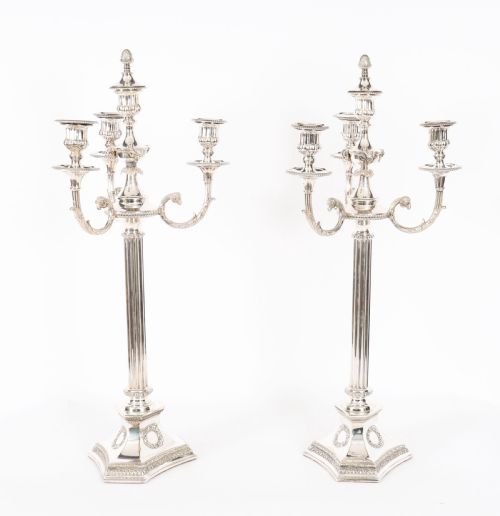
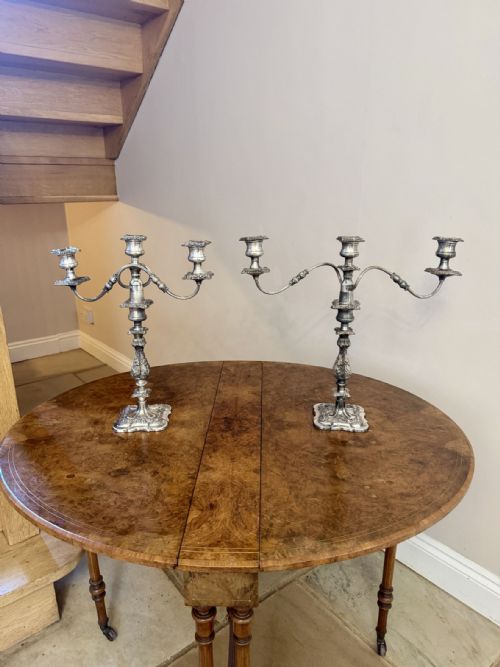
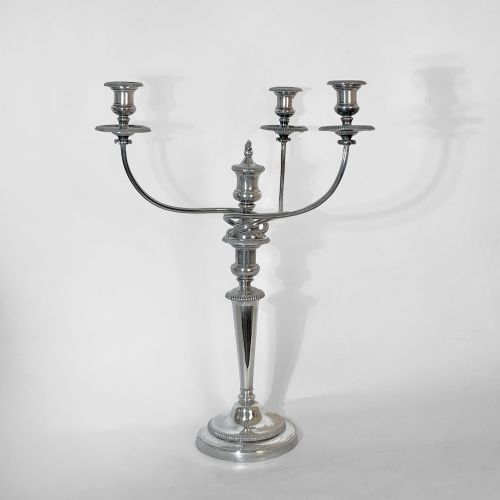
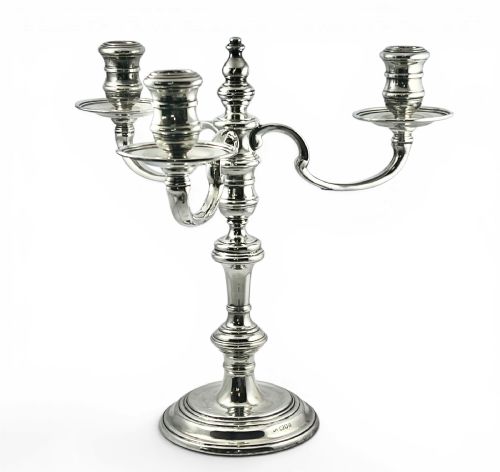
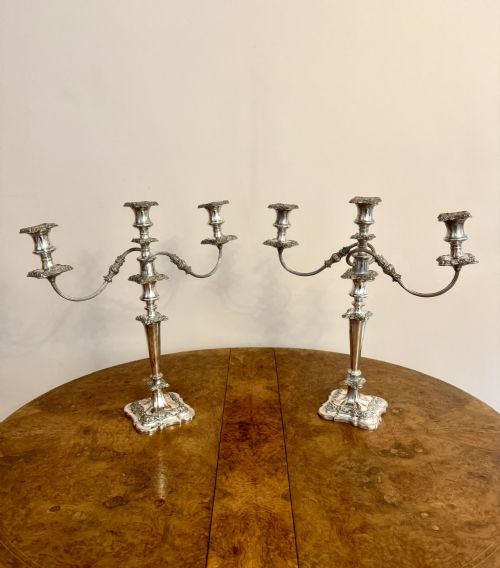
Silver branch candelabra bring literal illumination and period weight to a dining table, combining multiple candle arms in silver, silver plate, or Old Sheffield plate.
Silver Branch Candelabra
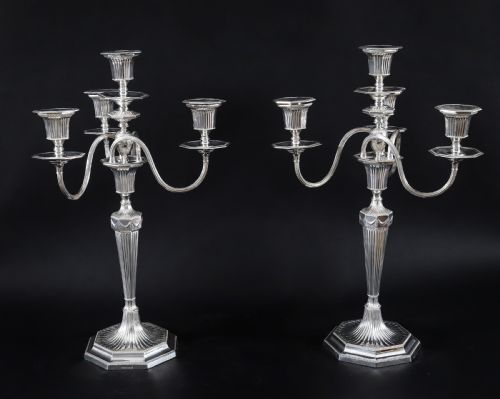
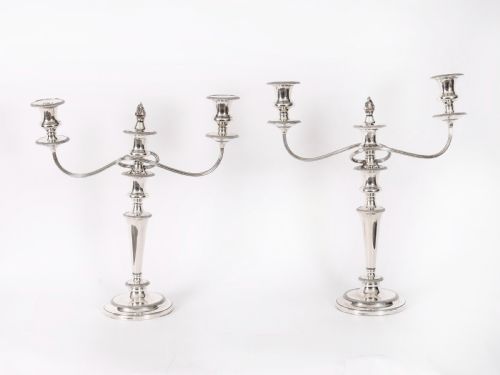
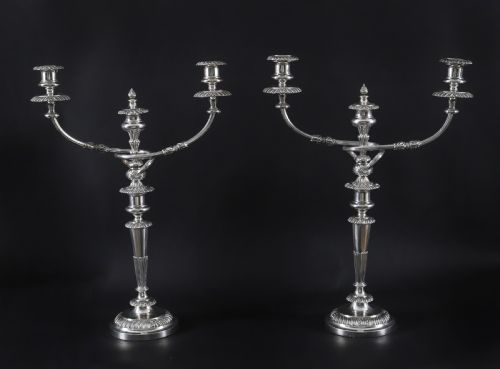
Silver branch candelabra are multi-light lighting devices designed for formal dining and drawing room display, typically holding three to five candles upon branching arms. When searching for silver branch candelabra, buyers encounter forms ranging from compact two-branch table pieces to large four- and five-branch Victorian and Georgian suites.
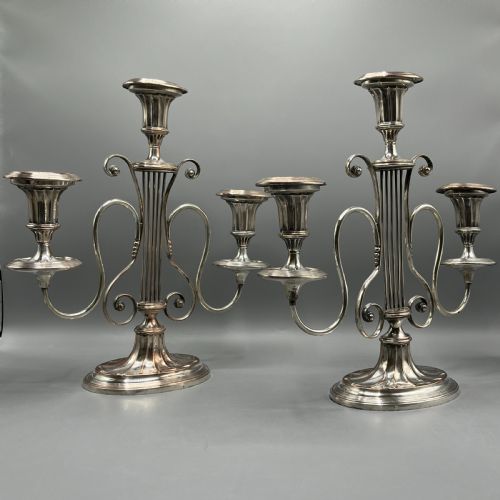
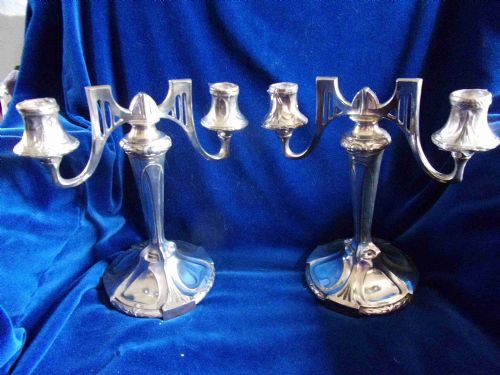
The pieces appearing on this page span several centuries, with a strong representation of nineteenth-century silver plated examples alongside eighteenth-century George III Sheffield plate and twentieth-century sterling silver. Styles stretch from classical revival and Regency to ornate Victorian, Art Deco, and Edwardian designs.
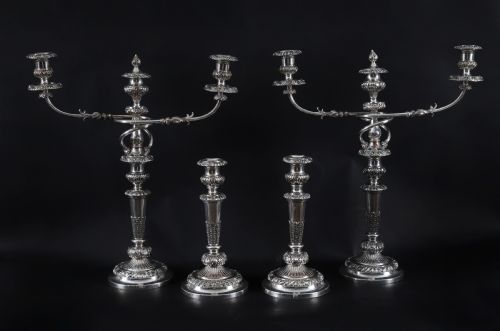
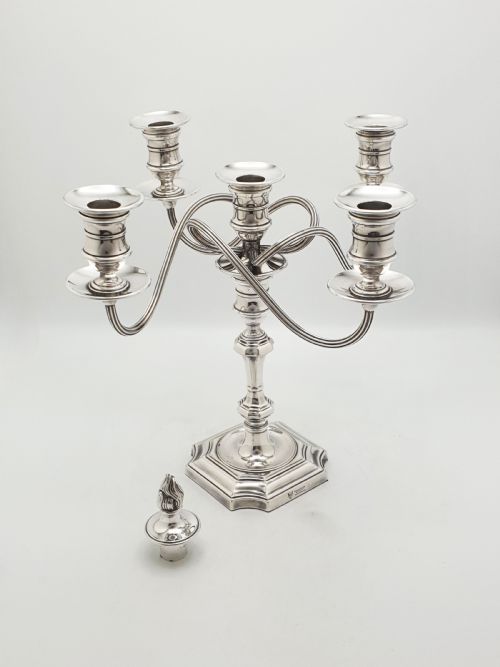
Makers and workshops utilised various configurations, including standard column designs, figural cherub supports, and palm tree centrepiece combinations. Most examples function as modular arrangements, incorporating detachable sconces and removable branch sections that allow the base to convert into simple candlesticks.
How they were made
Makers constructed these pieces using solid sterling silver, electroplated nickel silver, or copper fused with silver through the Old Sheffield plate method. Heavier nineteenth-century items often relied upon silver plating over a base metal foundation, while later twentieth-century production utilised solid silver alongside cast spelter and crystal elements in continental pieces.
Branch construction required casting or hand-wrought shaping of individual arms, which were then fitted securely to a central socket or weighted base. Detachable sconces were cast and turned to catch wax drips, ensuring the structural joints of the branches remained concealed beneath decorative drip pans.
Listings feature items from the eighteenth century through to the 1960s, executed in sterling silver, silver plate, and Old Sheffield plate.
What varies in quality
Quality rests in the crispness of the chased and cast ornament, where master silversmiths defined acanthus leaves, lyre motifs, and figural details with sharp relief rather than softened contours. Weight distribution dictates stability, separating substantial dining pieces from lighter decorative items that sway under the reach of extended branches.
The integrity of the plating or the purity of the solid metal defines longevity, with Old Sheffield plate showing subtle copper bleed beneath worn silver layers compared to the uniform skin of electroplated wares. Maker attribution, through stamped registry marks or firm signatures, elevates historical interest and confirms workshop provenance.
Hawksworth Eyre·Garrard & Co·Matthew Boulton·Barker Ellis·Robert Edgar Stone
The Silver Branch Candelabra Glossary
- Old Sheffield plate
- A material made by fusing a thin sheet of sterling silver to a thicker copper core. This technique predates electroplating and leaves a characteristic copper seam visible on edges.
- Sconce
- The detachable metal cup fitted at the top of a branch to catch dripping wax. It lifts out independently to simplify cleaning.
- EPNS
- Electroplated nickel silver. A common base metal foundation coated with a thin layer of silver using an electrical current.
- Candelabrum
- The singular form of candelabra, though the plural term is frequently used in trade descriptions regardless of branch count.
- Chasing
- The technique of hammering or indenting metal from the exterior to create decorative surface patterns and relief designs.
Silver Branch Candelabra: Frequently Asked Questions
Can I convert these for modern candles?
Most antique sockets accommodate standard taper candles, though minor variations in nineteenth-century sizing may require fitted beeswax adapters.
Avoid forcing oversized candles into antique sconces, as the pressure can crack fragile cast silver or strain soldered joints on the branches.
How do I identify Old Sheffield plate?
Look closely at exposed edges and raised borders where the underlying pinkish copper shows through the worn silver surface.
Old Sheffield plate lacks the modern electroplate stamps, relying instead on maker marks or simple artisan punches from the eighteenth and early nineteenth centuries.
Are all branches removable?
Many traditional designs feature a central finial unscrewing to release the branch assembly, allowing the main column to function as a standard candlestick.
Victorian and Edwardian manufacturers soldered or pinned certain multi-branch structures permanently in place for greater stability during formal dining use.