





Silver Bowl Ladle
These pieces for a silver bowl ladle combine generous service vessels with long-handled spoons designed to bring punch and broth directly to the table.
Silver Bowl Ladle
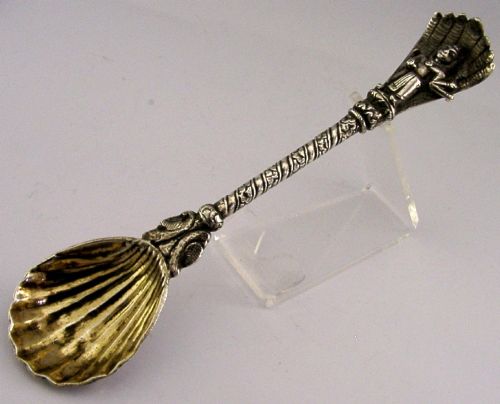
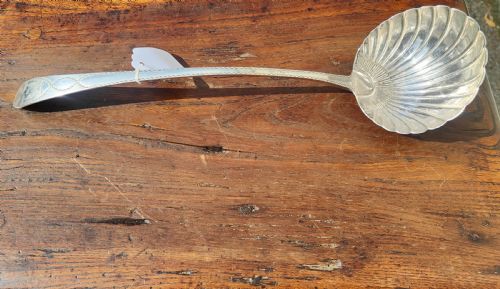
When you search for a silver bowl ladle, you encounter everything from substantial soup ladles and punch bowls to diminutive toddy and caddy spoons. The pieces on this page span the Georgian, Victorian, and Edwardian periods, stretching back through the eighteenth century.
You are most likely to meet sterling silver and silver plate constructions, alongside regional variations featuring coin bowls and shell-shaped bowls.
Origins range across Irish, Scottish, English, and continental workshops, reflecting varied dining traditions from formal soup service to informal punch sharing.
Materials and construction
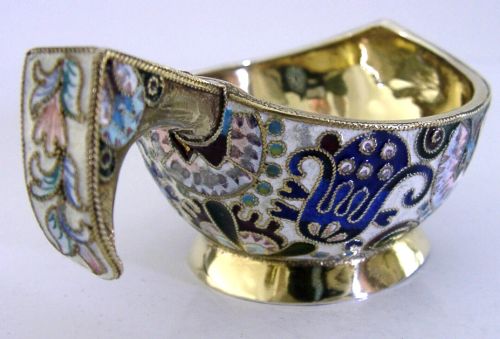
Makers shaped these utensils from sterling silver, silver plate, and electroplated nickel silver, frequently enriching specific pieces with silver-gilt, cloisonne enamel, or horn.
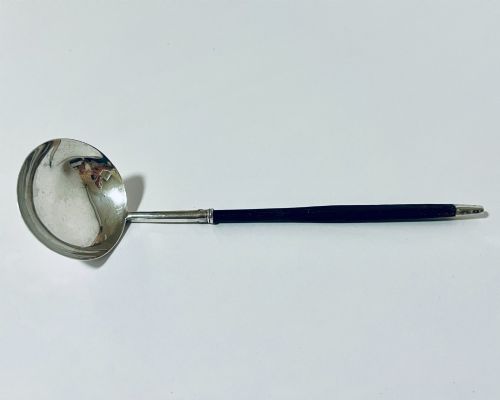
Handles introduce organic elements such as coquilla nut, wood, and twisted baleen, contrasting sharply against the polished metal bowls.
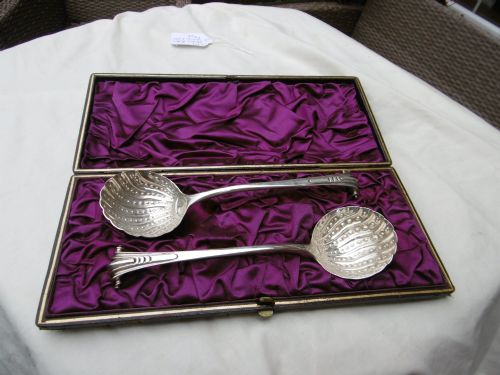
Construction techniques include hammering, casting, and piercing, as seen in sifter spoons and decorative bowls.
Silver Bowl Ladle Retail Price Guide 2026
Typical asking prices for silver bowl ladle among the pieces listed under this phrase on Sellingantiques today, from the lower quarter to the upper quarter. They describe what is for sale here now, not the wider market.
Some eighteenth-century drinkers insisted on coin bowls so they could gaze at a monarch's profile while finishing their punch.
Markers of distinction
Quality rests heavily on the crispness of the bowl's form, particularly in shell-shaped and coin-set examples where detailing defines the piece.
The integration of mixed materials, such as a well-fitted treen or baleen handle joined securely to a heavy silver bowl, separates standard service items from exceptional ones.
Mappin and Webb·John McDonald·Michael Smith·Tiffany and Co·Daniel and Arter
The Silver Bowl Ladle Glossary
- Toddy ladle
- A small drinking vessel spoon with a long handle, often featuring a twisted baleen or wooden shaft. These were used to ladle hot punch or toddy into individual cups.
- Sifter spoon
- A pierced spoon designed to sprinkle sugar or strain solids from liquids. They appear frequently alongside sugar bowls in nineteenth-century settings.
- Baleen
- The flexible horning material taken from the mouths of certain whales, commonly utilised for twisted handles on eighteenth-century toddy ladles.
- Silver-gilt
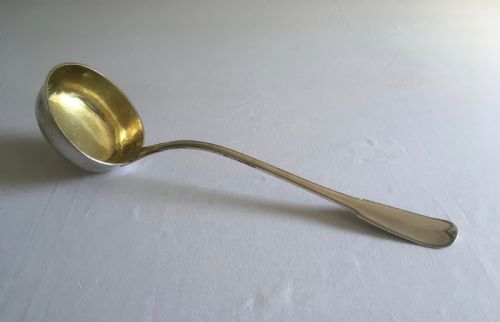
- Silver that has been coated with a thin layer of gold on its surface. This technique imparts a rich, warm tone to the interior of bowls and cups.
- Coquilla nut
- The hard, dark brown fruit of a South American palm tree. Makers carved it into handles for drinking vessels during the eighteenth century.
Silver Bowl Ladle: Frequently Asked Questions
How were toddy ladles used?
Toddy ladles served to transfer hot punch or whisky toddy from a central bowl into individual drinking vessels during social gatherings.
Their long handles kept hands safely away from the steaming liquid contained within the heavy bowls.
What is a coin bowl ladle?
A coin bowl ladle incorporates an actual minted coin inset directly into the base of the silver bowl.
This decorative choice was popular during the Georgian period, adding both personal or political significance and visual texture to the serving piece.
How do I care for silver with horn handles?
Keep organic materials like horn, wood, and baleen completely dry during cleaning to prevent splitting or warping over time.
Use gentle polishes on the metal portions and avoid submerging the entire piece in water.
What distinguishes an 18th-century ladle?
Eighteenth-century examples often feature distinct provincial hallmarks, hand-beaten silver bowls, and natural handles made of baleen or coquilla nut.
Their proportions align closely with the deep punch bowls and communal dining habits of the Georgian era.