


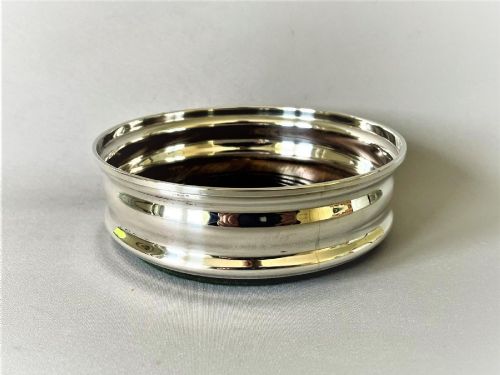


Silver Base Coasters
Silver base coasters are sturdy drinks rests built to protect dining tables, coming in sterling silver and silver plate.
Silver Base Coasters
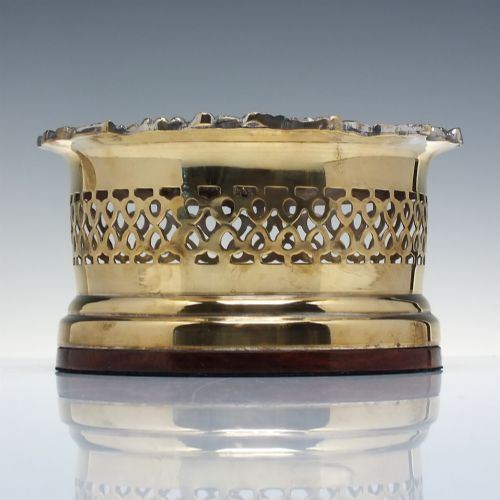
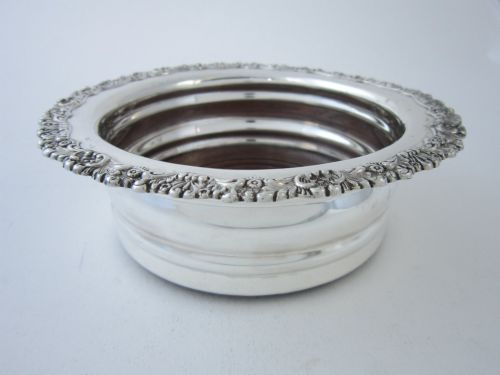
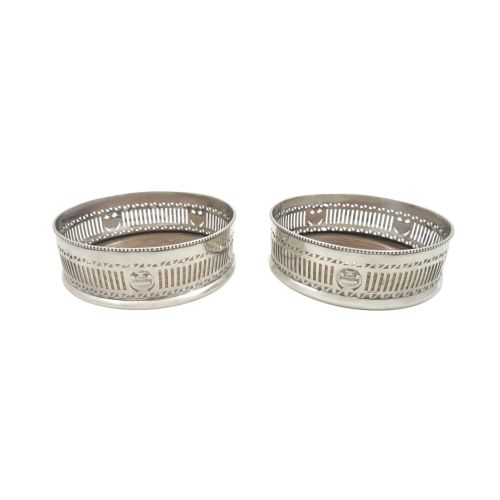
Silver base coasters are functional table accessories designed to hold wine bottles, decanters, and champagne bottles securely while protecting polished wood surfaces. The pieces gathered here span several eras, showing forms from single bottle holders to multi-bottle configurations and larger bowls.
Materials and construction
Manufacturers built these items using sterling silver or silver plate over base metals, often combining metalwork with dense turned woods such as mahogany. The integration of felt or cork bases provided insulation and protected furniture from scratches during service.
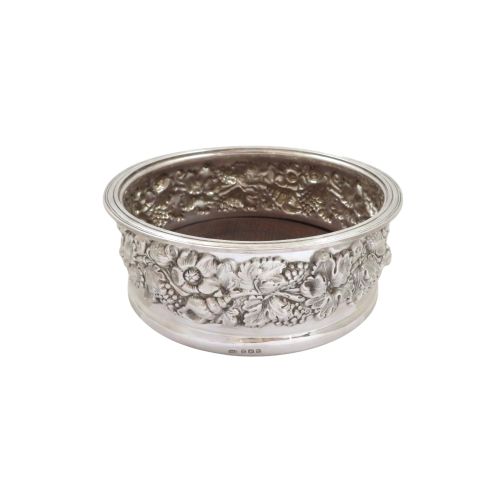
Techniques relied on traditional smithing and plating methods, incorporating decorative details like grape and vine motifs, pierced galleries, and applied rims. Old Sheffield plating techniques appear alongside later silver-plating methods to create durable, lustrous surfaces.
Silver Base Coasters Retail Price Guide 2026
Typical asking prices for silver base coasters among the pieces listed under this phrase on Sellingantiques today, from the lower quarter to the upper quarter. They describe what is for sale here now, not the wider market.
Assessing quality and craftsmanship
Quality rests upon the crispness of the chased or pierced decoration and the weight of the metal used in the construction. Finer examples display meticulous attention to detail in motifs such as grapes and vines, whereas simpler versions rely on plain rolled edges.
The integrity of the wooden bases and the preservation of the original silver plating or sterling hallmarks distinguish superior examples. Pieces that retain their structural soundness and original felt or cork undersides demonstrate better survival through use.
The Silver Base Coasters Glossary
- Sterling silver
- A standard alloy consisting of a high purity of silver mixed with small amounts of other metals for durability. This material carries official hallmarks indicating its metal content and origin.
- Silver plate
- A manufacturing method where a thin layer of silver is bonded to a base metal substrate. It offers the appearance of solid silver at a different level of material composition.
- Old Sheffield plate
- An early technique of fusing a sheet of silver to a copper core before shaping the metal. This method produces a distinctive appearance different from electroplating.
- Gallery
- The pierced or solid upright rim surrounding the outer edge of the coaster. This architectural feature prevents bottles from sliding off the base during movement.
- Mahogany
- A dense, durable tropical hardwood frequently used for the turned bases of metal coasters. It provides a stable foundation and a contrasting rich grain against the bright metal.
Silver Base Coasters: Frequently Asked Questions
What are silver base coasters used for?
These pieces serve as protective rests for wine bottles, decanters, and champagne bottles on dining and side tables. They prevent condensation rings and drips from marking polished wood surfaces.
Beyond simple protection, they add a decorative element to table settings during meals and gatherings. Their raised rims keep bottles stable when passed across the table.
How do I clean silver base coasters?
Maintenance involves gentle cleaning with a specialist silver cloth or a mild polish formulated for plated or solid silver items. Care must be taken to avoid harsh abrasives that could wear down thin plating.
Wooden or felt undersides should be kept dry and protected from excessive moisture during cleaning. Regular, light dusting prevents tarnish from accumulating in recessed decorative areas.
How can I tell the period?
Dating relies on stylistic clues such as the flowing organic lines typical of Art Nouveau or the formal geometry seen in Georgian and Victorian examples. Hallmarks on sterling pieces provide exact assay office marks and date letters.
Construction methods also offer guidance, distinguishing early Old Sheffield plate from later electroplated items. Comparing the weight, joinery, and decorative motifs helps narrow down the era of manufacture.
Are they safe for modern bottles?
Most standard wine and champagne bottles fit comfortably within the diameters of traditional single bottle holders. Magnum and larger bottles require specific wider sizes designed for bulkier vessels.
Checking the internal diameter ensures a proper fit for contemporary bottle shapes. The sturdy metal and wooden construction easily supports the weight of standard filled glass bottles.