



Silver Animal Condiments
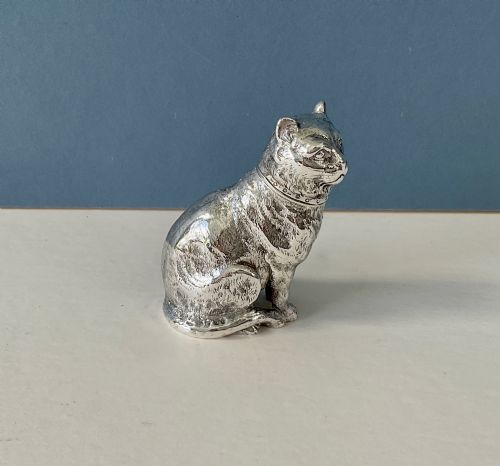
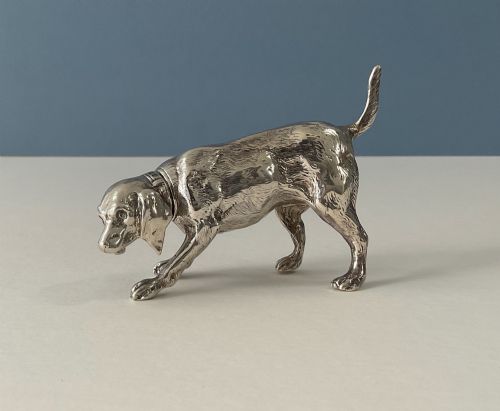
Silver animal condiments bring personality to the dining table, taking the form of cats, dogs, birds and other creatures.
Silver Animal Condiments
Silver animal condiments are small tableware pieces designed to hold pepper, salt or sugar, shaped as living creatures. When you search for silver animal condiments, you encounter forms ranging from single pepper pots to paired birds and complete condiment sets.
The pieces listed here span the Victorian, Edwardian and George V periods, alongside later 1930 examples. Domestic animals such as dogs and cats sit alongside wild creatures like owls, foxes, pheasants, cockatoos, chicks and dragons.
Object types include individual pepper pots, novelty pepper pots, pepperettes, pepper shakers, condiment sets and sugar boxes. These items combine practical dining utility with whimsical sculptural design.
How they were made
These items rely on sterling silver, solid silver, silver gilt and pewter, often combined with glass or ebonised wood components. Metals are shaped, cast or hammered to capture the specific anatomy and texture of each animal.
Makers utilise specialised techniques to build functional vessels into sculptural forms, incorporating removable heads or bases for filling. Surface details such as feathers, fur and scales are worked directly into the metal.
Silver Animal Condiments Retail Price Guide 2026
Typical asking prices for silver animal condiments among the pieces listed under this phrase on Sellingantiques today, from the lower quarter to the upper quarter. They describe what is for sale here now, not the wider market.
The listings span multiple eras, featuring Victorian, Edwardian, George V and 1930s periods, executed in sterling silver, pewter and glass.
What varies in quality
Quality rests in the fidelity of the animal's form and the crispness of the chased or engraved surface details. Pieces that capture natural posture and expression stand apart from stiff or generic castings.
The integration of the container mechanism affects overall success, where screw threads or push-fittings operate smoothly without interrupting the sculptural silhouette. The choice of materials, from heavy solid silver to lighter pewter, also shifts the character of the object.
The Silver Animal Condiments Glossary
- Pepperette
- A small shaker or pot specifically designed for dispensing ground pepper at the table. These often take miniature novelty shapes.
- Sterling silver
- A silver alloy containing substantial pure silver combined with other metals for durability. This standard appears across the majority of Victorian and Edwardian examples.
- Silver gilt
- Silver coated with a thin layer of gold on its surface. This finish provides a warm tone and protects the underlying metal.
- Condiment set
- A matched grouping of tableware vessels for holding various seasonings. They coordinate in style and period.
Silver Animal Condiments: Frequently Asked Questions
What were silver animal condiments used for?
These pieces served as functional tableware containers for holding and dispensing seasonings like pepper, salt or sugar at formal dining tables. They also acted as conversation pieces and decorative tabletop ornaments.
Guests interacted with them during meals when passing condiments, adding a touch of amusement to dining rituals.
How do I date these silver pieces?
Dating relies on hallmarks stamped onto the silver, which indicate the assay office, year of manufacture and maker. Stylistic cues such as Victorian ornamentation or Art Deco lines also point to specific eras.
Comparing the sculptural style with documented periods helps narrow down the decade of production.
How do I clean silver animal condiments?
Cleaning requires a soft cloth and a gentle silver polish formulated to preserve fine details like fur and feathers. Avoid harsh abrasive dips that can strip away the aged patina in recessed areas.
Store them in dry environments away from direct sunlight to maintain the finish of the metal.
Are these items functional today?
Most of these pieces retain their original functionality with removable heads or base plugs for refilling spices. They operate just as they did in the nineteenth and twentieth centuries.
Many collectors choose to display them purely as decorative sculptures rather than using them for dining.