



Silver and Wood Tray
A silver and wood tray brings together lustrous metal and warm timber to create a practical serving piece or elegant display surface.
Silver and Wood Tray
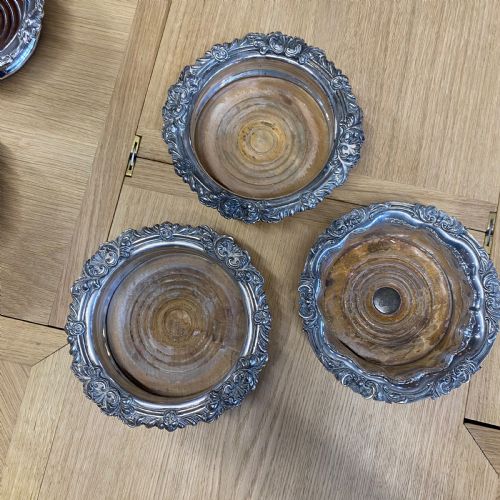
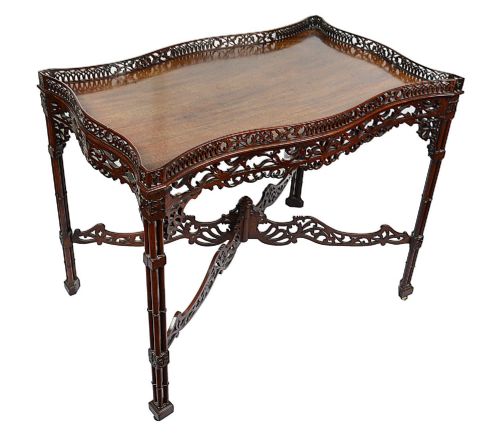
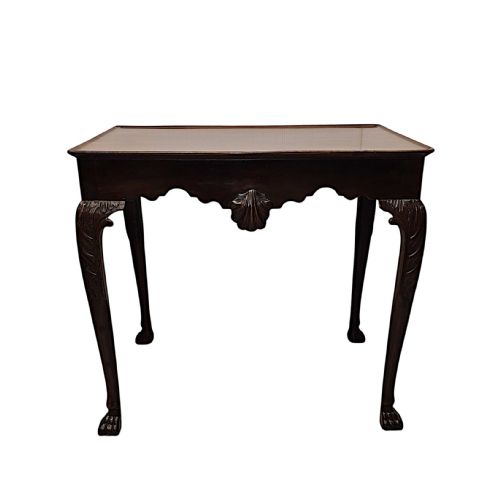
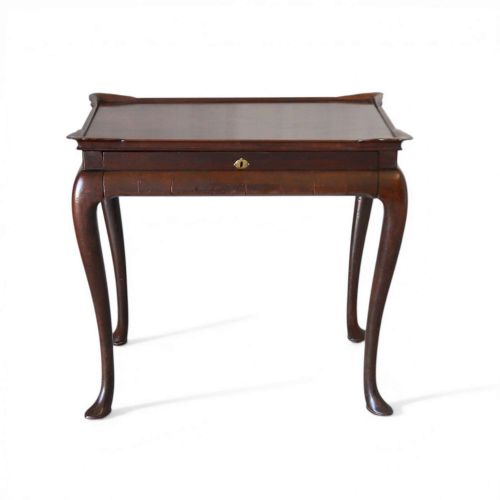
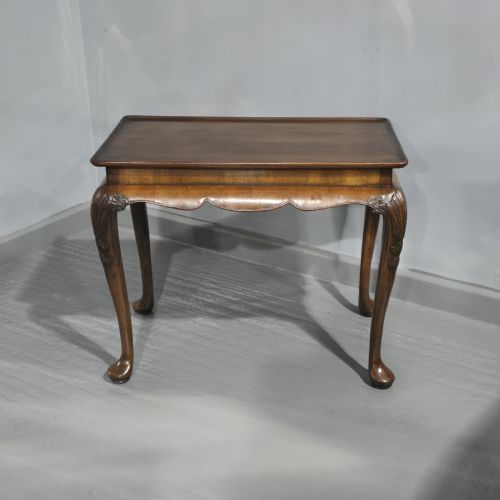
When you search for a silver and wood tray, you encounter examples ranging from serving trays with gallery rails to dedicated silver tables featuring removable tray tops.
The selection includes pieces spanning the 18th century, 19th century, and early 20th century, encompassing styles from George II and George III to Victorian and Edwardian periods.
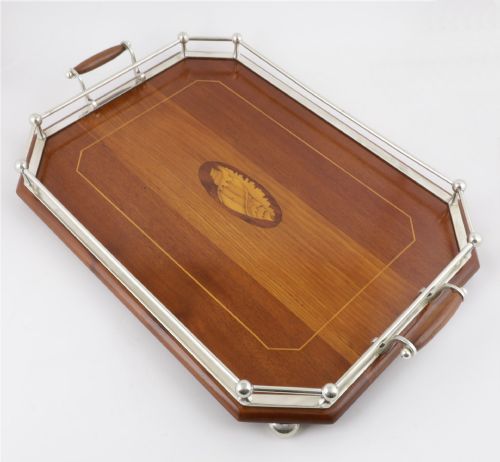
Forms vary from large octagonal gallery trays with shell inlay to side tables, coffee tables, and occasional furniture designed with raised edges to hold silver and glass securely.
How they were made
Cabinetmakers utilised timber such as mahogany, Cuban mahogany, walnut, burr walnut, satinwood, and ebonised wood to construct the sturdy wooden frames and bases.
Metal elements incorporate solid silver, silver plate, and brass fittings, often combined with gallery rails and intricate shell inlay work.
Silver and Wood Tray Retail Price Guide 2026
Typical asking prices for silver and wood tray among the pieces listed under this phrase on Sellingantiques today, from the lower quarter to the upper quarter. They describe what is for sale here now, not the wider market.
What varies in quality
The sophistication of the timber grain and the precision of the inlay work distinguish finer examples from standard production pieces.
The crispness of carved details, such as cabriole legs on silver tables or scalloped edges on gallery trays, indicates the standard of craftsmanship.
The Silver and Wood Tray Glossary
- Gallery tray
- A serving tray fitted with a raised pierced or solid gallery rail around the perimeter to secure items. This design prevents glassware and silver from sliding off during transit.
- Silver table
- A specialised table form featuring a tray top designed to hold tea service equipment. These emerged during the 18th century as fashionable furniture for entertaining.
- Cuban mahogany
- A dense, dark timber harvested in the Caribbean and prized for cabinetmaking during the Georgian era. It displays a rich grain and deep patina.
- Ebonised wood
- Timber treated with a finish to imitate expensive ebony. This technique creates a dramatic black surface often contrasted with metal mounts.
Silver and Wood Tray: Frequently Asked Questions
What is a silver table?
A silver table is a form of occasional or side table designed specifically to hold tea services or silver display pieces. They typically feature a raised tray top or gallery edge.
Originating in the 18th century, these tables often stand on cabriole legs or straight supports, combining structural timber work with metal serving surfaces.
How do I care for a wood and silver tray?
Maintenance involves gentle cleaning suitable for both the timber surface and the metal components. Use soft cloths to dust wood and appropriate polish for silver.
Keep these pieces away from direct heat sources and excessive moisture to protect the joins between the wood and the metal gallery or inlay.
What periods do these trays come from?
The available pieces span multiple centuries, with notable representation from the Georgian period, including George II and George III eras, alongside Victorian and early 20th century examples.
Stylistic revivals also appear, reflecting later periods that recreated 18th-century cabinetmaking forms.
Are silver and wood trays usable today?
Many gallery trays and tray-top tables remain fully functional for serving afternoon tea or displaying decorative objects in modern interiors.
Sturdier examples in mahogany and walnut serve well as coffee tables or side tables, blending historical craftsmanship with practical utility.