


Silk Wall Tapestry
When you choose a silk wall tapestry, you introduce centuries of textile artistry, rich botanical motifs, and intricate hand embroidery to your interior.
Silk Wall Tapestry
A silk wall tapestry encompasses hand-embroidered panels, ceremonial dowry hangings, and woven European wall art spanning from the seventeenth century through the early twentieth century. These textiles originate from diverse regions, including Central Asian workshops in Uzbekistan and historic European centres like Flanders and France.
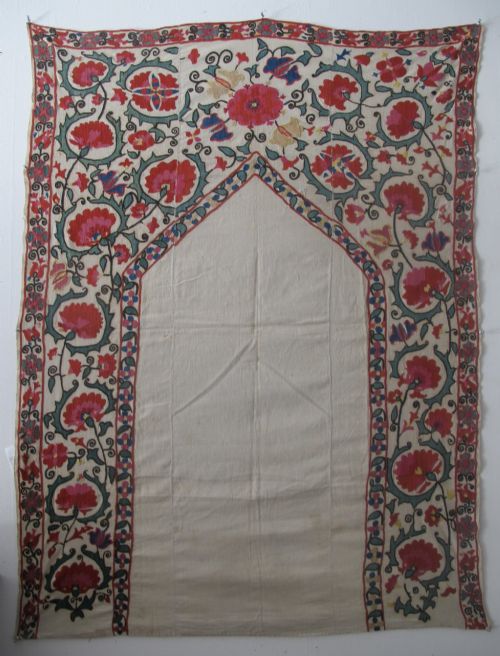
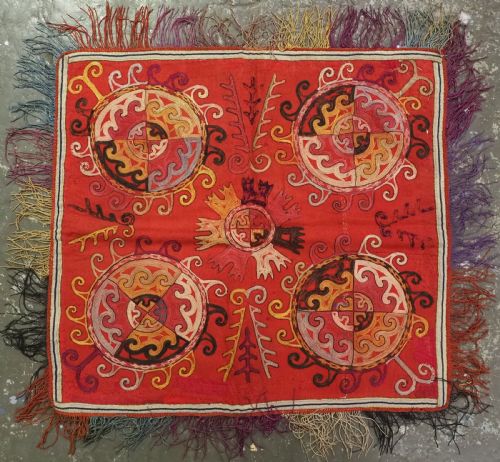
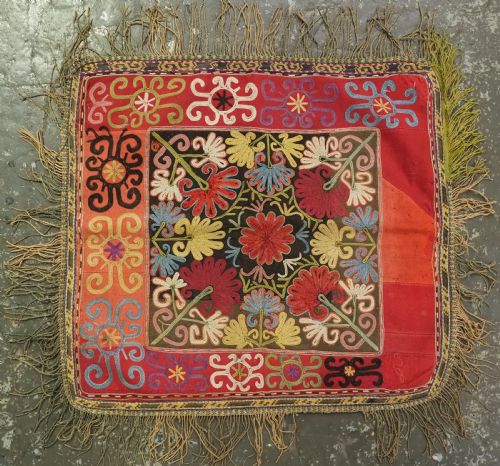
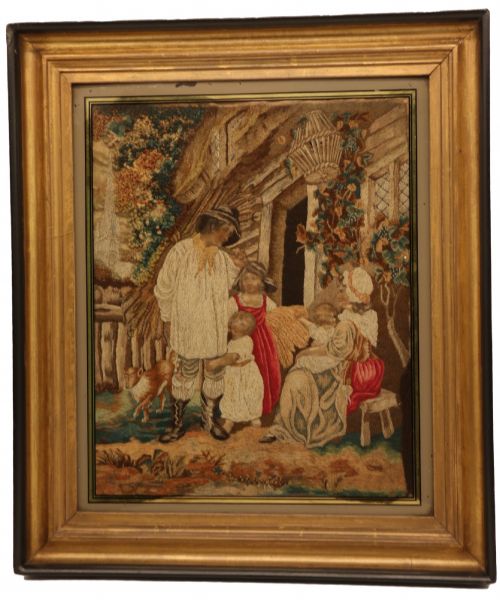
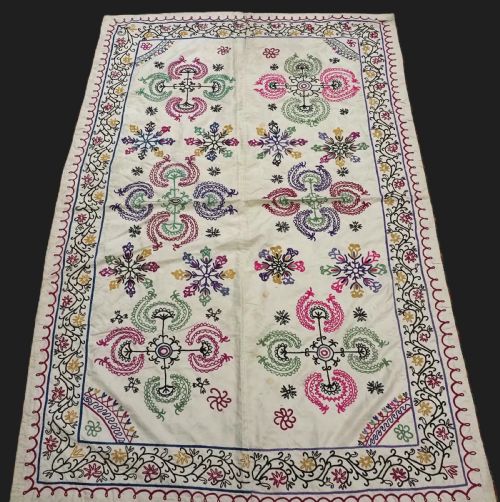
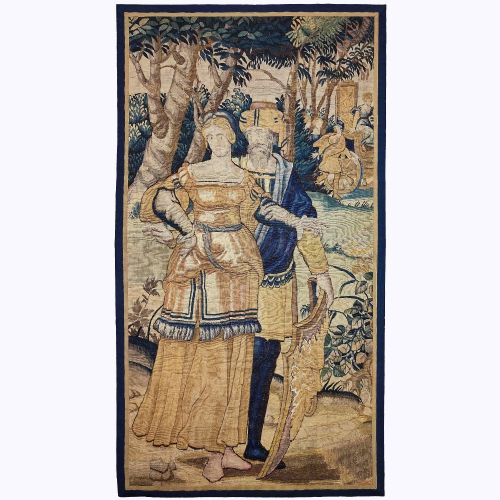
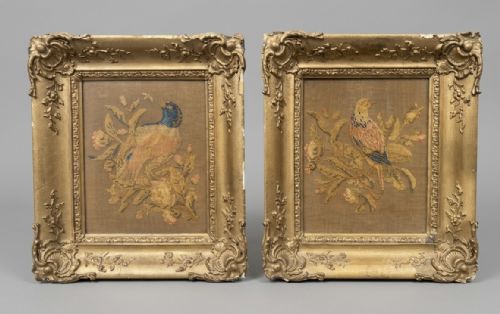
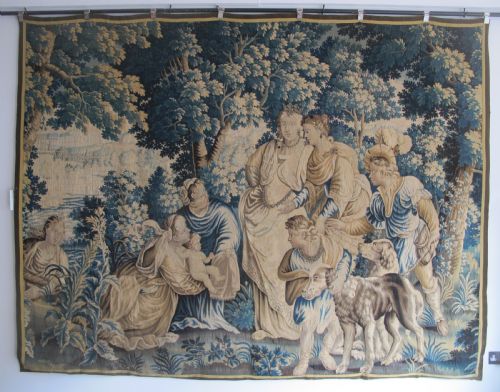
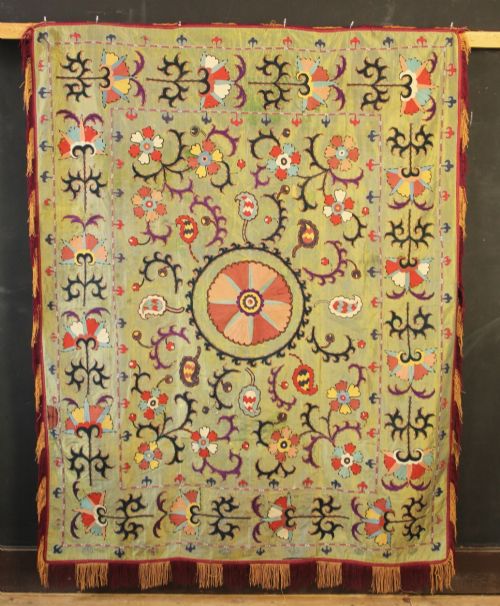
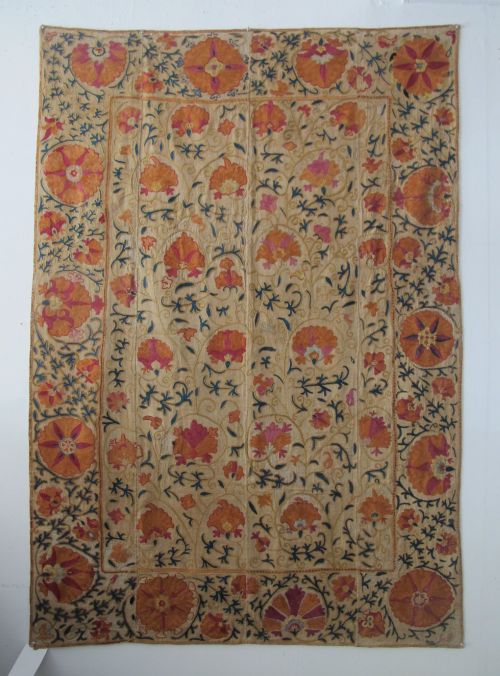
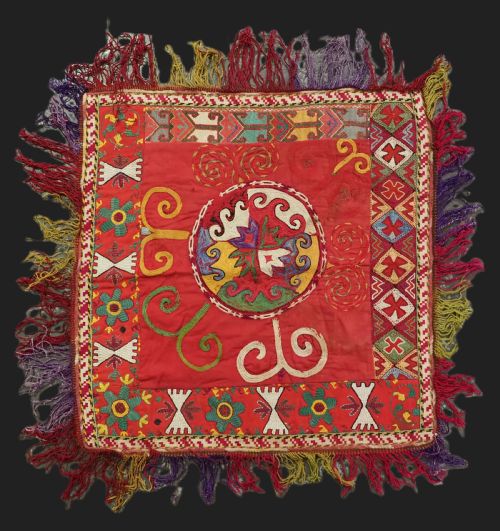
The versions you are most likely to encounter on this page include vibrant Central Asian suzanis, Lakai tribe ilgiches, and intricately patterned ikat fabric panels worked in silk and cotton. Alongside these eastern textiles appear continental needlework pictures, classical embroidered panels, and verdure tapestries framed in wood or glass.
Collectors seek these pieces for their narrative depth, regional designs, and the remarkable preservation of their natural materials. Whether displaying a large medallion variant suzani or a French verdure landscape, each textile brings texture and history directly to a wall space.
Materials and technique
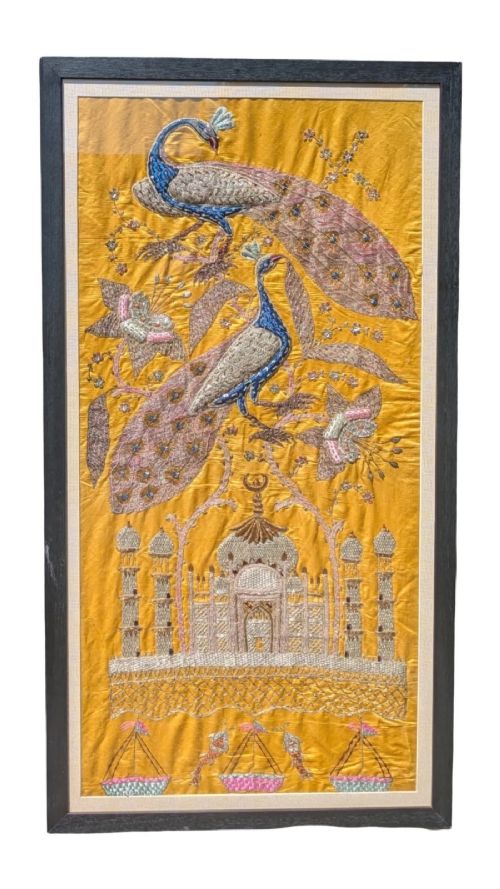
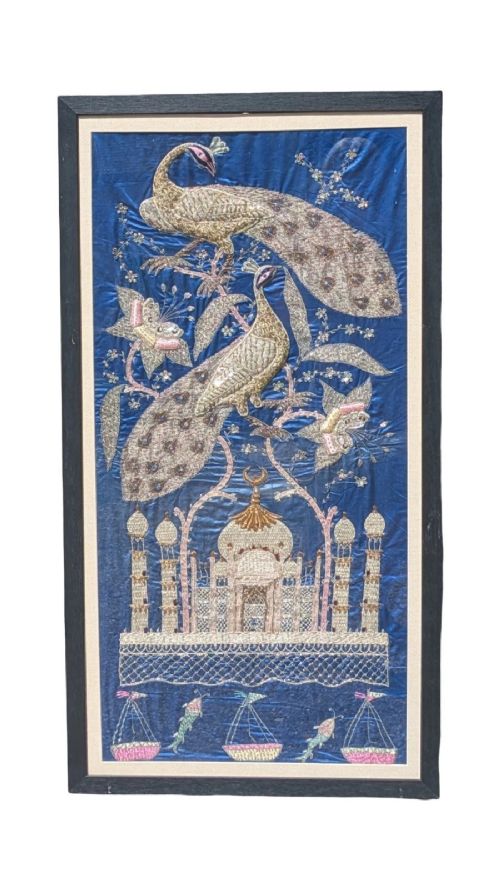
Artisans constructed these textiles primarily using fine silk threads, cotton foundations, wool, and linen, occasionally incorporating metallic thread and gold leaf for added brilliance. Embroiderers applied dense stitches by hand onto woven or felted grounds, creating raised surface textures and detailed pictorial scenes.
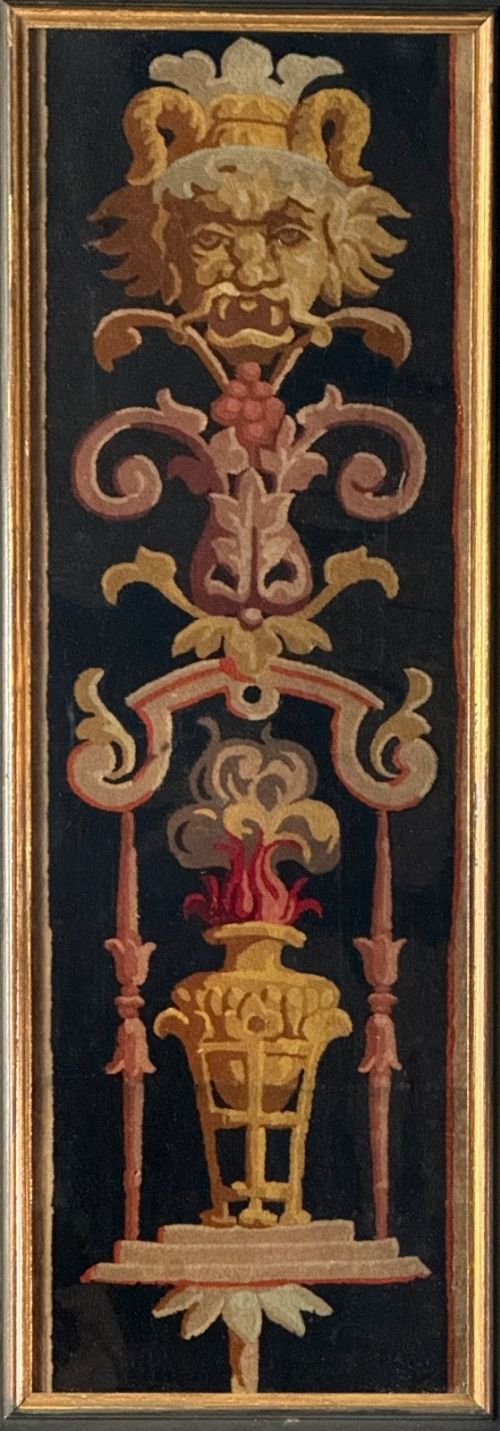
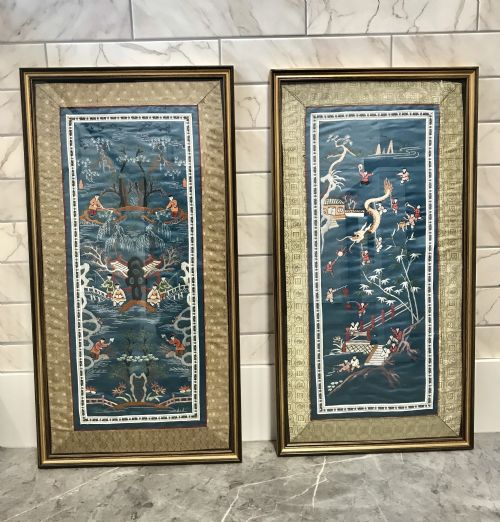
Techniques varied from the intricate needlework and hand-painted silk details of English pictures to the elaborate tambour and laid-work embroidery of Persian Rasht panels and Uzbek suzanis. Woven examples, such as Flemish verdure tapestries, utilised complex loom methods to build dense botanical and mythological imagery.
Makers frequently mounted panels within glass, wood, or gilt frames, or backed them onto supportive fabrics to ensure structural stability for vertical display. The interplay of silk on wool or felt grounds generated durable wall hangings designed to endure for generations.
Silk Wall Tapestry Retail Price Guide 2026
Typical asking prices for silk wall tapestry among the pieces listed under this phrase on Sellingantiques today, from the lower quarter to the upper quarter. They describe what is for sale here now, not the wider market.
Listings span centuries from the 17th Century to the 1930s, featuring materials such as silk, cotton, wool, linen, glass, and gold leaf.
What separates the fine from the ordinary
Quality rests significantly upon the density and precision of the hand stitching, where tightly packed silk threads create crisp definition in floral motifs, figures, and architectural designs. Superior examples maintain vibrant, harmonious colour palettes derived from natural dyes that age gracefully across the centuries.
The integrity of the foundation fabric dictates longevity, with finer base materials supporting complex, multi-layered embroidery without distortion or puckering. Compositional balance, originality of regional patterns, and the preservation of delicate edges or borders further distinguish exceptional works from simpler utilitarian textiles.
The Silk Wall Tapestry Glossary
- Suzani
- An embroidered tribal hanging from Central Asia, traditionally worked in silk on a cotton or linen ground by brides as part of a dowry. These pieces typically feature bold floral medallions and architectural motifs.
- Verre Églomisé
- A decorative technique involving the application of gold or silver leaf to glass, combined with etching and painting, often used for historic picture frames. This method creates a reflective, dark border around needlework panels.
- Verdure Tapestry
- A European woven wall hanging dominated by lush botanical foliage, trees, and often birds or animals in a woodland landscape. Originating largely from Flemish and French looms, these scenes rely on deep green and earthy tones.
- Ikat
- A dyeing technique where yarns are pattern-dyed before being woven into fabric, producing characteristic feathered edges along the motifs. Semi-silk adras fabrics utilise this method to blend silk and cotton fibres.
- Lakai Tribe
- A nomadic group in Central Asia renowned for small, dynamic embroidered dowry items and horse covers featuring geometric and amuletic designs. Their work often employs vibrant silk threads on red or dark felt grounds.
Silk Wall Tapestry: Frequently Asked Questions
How do I hang a textile safely?
Mount your textile using a padded support or a custom sleeve sewn to the reverse, distributing the weight evenly across a wooden baton rather than piercing the fabric directly with nails.
Keep the piece away from direct sunlight and moisture sources to protect the delicate silk threads and natural dye colours from fading or degradation.
What is the difference between a tapestry and an embroidery?
A tapestry is a woven textile where the design is created on a loom by interlacing warp and weft threads together during the actual construction of the fabric.
An embroidery involves stitching decorative threads onto a pre-existing woven or felted foundation fabric by hand using a needle.
How do I clean an antique textile?
Antique textiles require specialist conservation rather than standard washing, as water and traditional detergents can destabilise old silk fibres and historic dyes.
Consult a professional textile conservator for surface cleaning or stabilization if dust accumulates or if the fabric shows signs of structural weakness.