




Silk Thread Textile Art
Silk thread textile art brings together needlework panels, samplers and wall hangings stitched across centuries from England to Central Asia.
Silk Thread Textile Art
Silk thread textile art encompasses framed pictures, wall hangings and embroidered fragments produced across the eighteenth and nineteenth centuries. Buyers searching this phrase encounter English samplers, Dutch and Georgian needlework pictures, and Central Asian suzanis worked in bright hues.
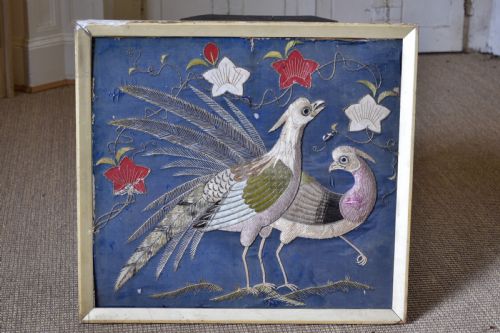
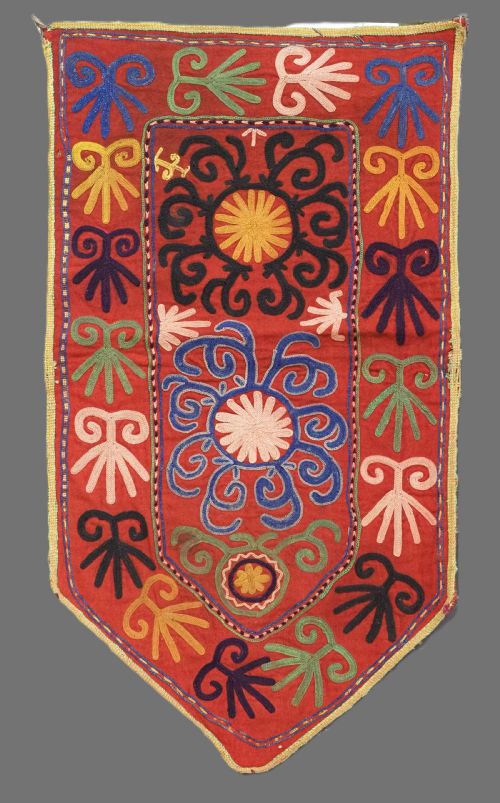
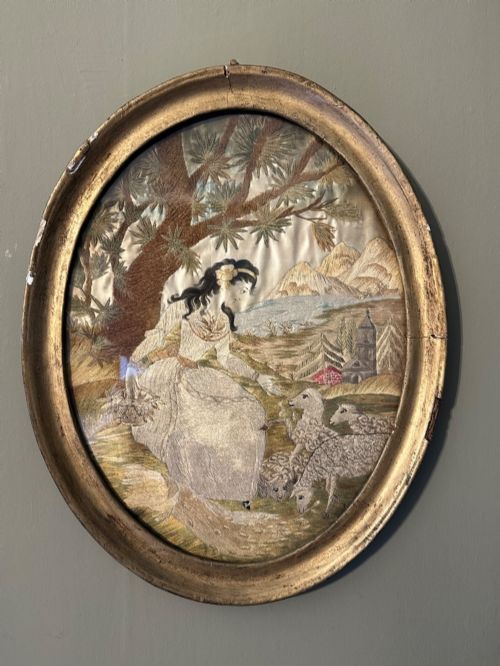
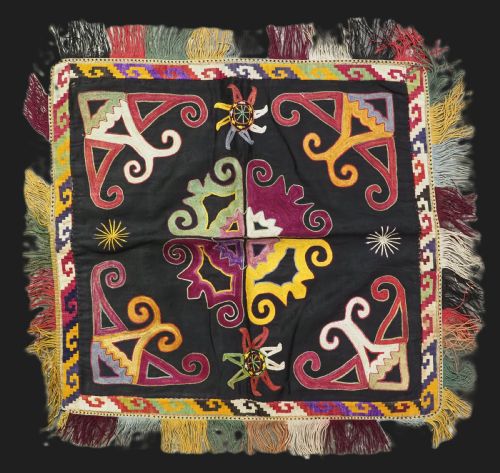
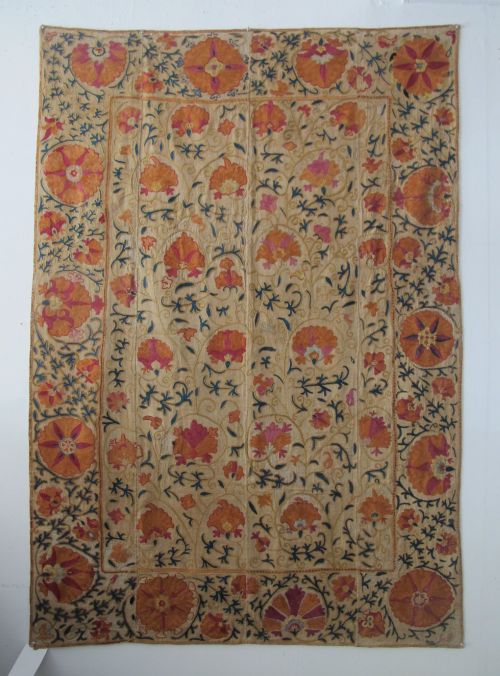
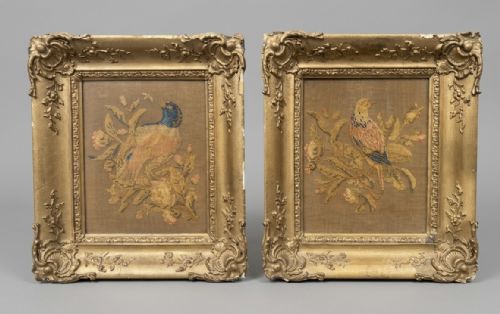
The selection ranges from small framed panels depicting birds and pastoral scenes to large wall hangings such as Uzbek Suzanis and embroidered tiger reliefs. Many examples arrive mounted in period frames, including giltwood surrounds that complement the needlework.
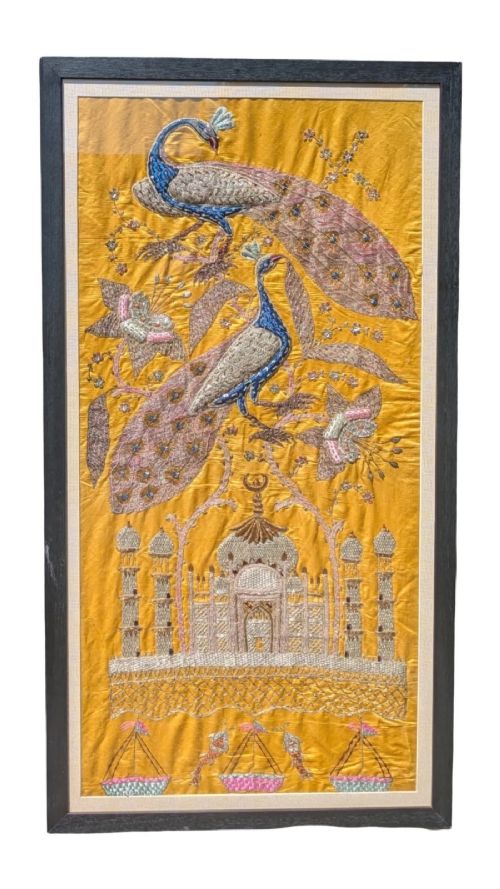
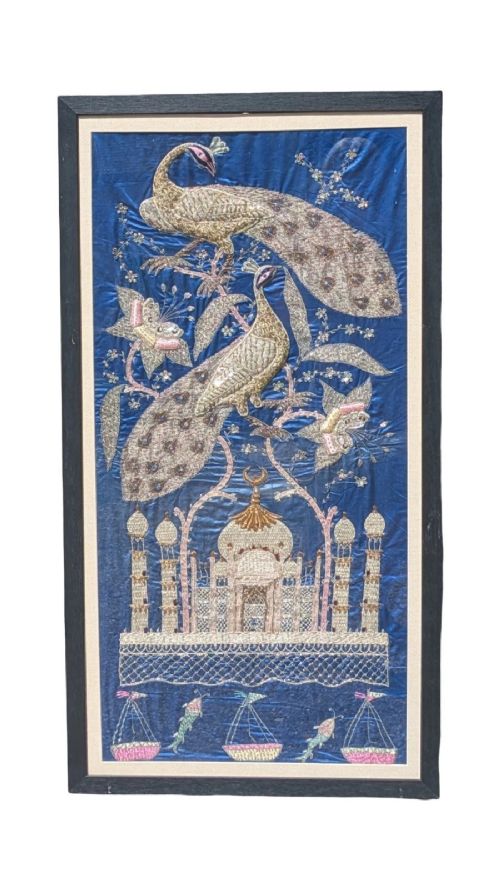
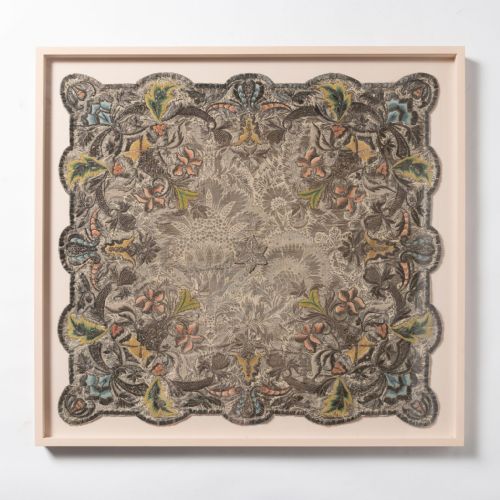
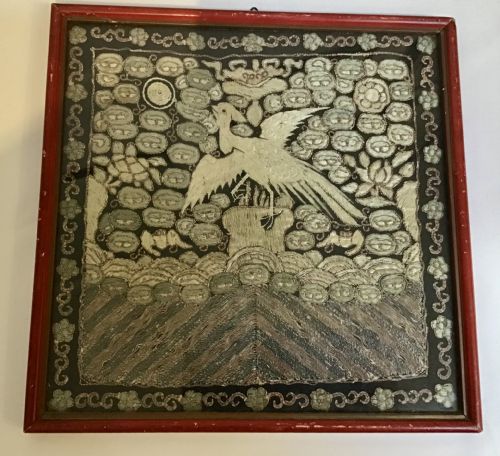
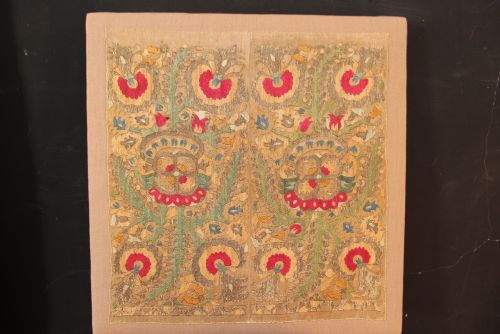
Geographic origins vary widely across the inventory, spanning British samplers, Indian depictions of the Taj Mahal, Chinese rank badges and Ottoman fragments. Each piece reflects the specific decorative traditions and stitch techniques of its region of origin.
How they were made
Needlework creations combine fine silk threads stitched onto ground materials such as linen, cotton, wool, or black felt. Metallic thread and glass details frequently appear alongside silk to add texture and light reflection to the composition.
Craftspeople utilised specialised techniques ranging from flat surface embroidery and stumpwork relief to complex tambour work found in Central Asian suzanis. Supporting structures commonly incorporate wood frames and giltwood surrounds to protect the textile surface.
Stumpwork panels capture King Charles II alongside his favourite mistress, preserving seventeenth-century royal scandal in raised thread relief.
What varies in quality
The density and precision of the stitching dictate the visual impact of an embroidered panel, distinguishing densely packed full-work suzanis from simpler linear outlines. Thread tension and preservation of the original silk colours determine how cleanly the pictorial motifs emerge from the background fabric.
The integrity of the ground textile and the survival of subsidiary materials like metal thread or glass elements heavily influence the overall standard of a piece. Original framing, particularly period giltwood surrounds, adds historical context that enhances the presentation of antique textile art.
The Silk Thread Textile Art Glossary
- Suzani
- An embroidered tribal wall hanging originating from Central Asia, typically worked in silk on a cotton or linen ground with bold floral motifs.
- Sampler
- A piece of needlework executed by a maker to demonstrate proficiency in various stitches and alphabets, often bearing a signature and date.
- Stumpwork
- A raised embroidery style popular in the seventeenth century where figures and elements are padded or built over wooden cores to achieve three-dimensional relief.
- Rank badge
- A square embroidered patch worn on the robes of officials in imperial China to denote civil or military status.
- Giltwood
- Wood carved and coated with gold leaf or gold paint, frequently used for period picture frames enclosing needlework panels.
Silk Thread Textile Art: Frequently Asked Questions
How should I hang antique textiles?
Keep embroidered panels out of direct sunlight to prevent the silk threads from fading and losing their original colour.
Mount pieces behind glass with a spacer to ensure the textile does not press directly against the glazing.
What is a suzani?
A suzani is a large embroidered textile from Central Asia traditionally made by brides as part of their dowry.
These pieces feature bold botanical motifs stitched in silk thread on cotton grounds and were used as wall hangings or covers.
How do I date a sampler?
Samplers often include the maker's name, age and date stitched directly into the composition by the needleworker.
Lettering styles, motifs and framing materials provide additional clues when a date is absent from the work.
Are these textiles framed?
Many of the needlework pictures and panels arrive already mounted within period wood or giltwood frames.
Larger wall hangings like suzanis and fragments are usually displayed unframed using sleeves or clips suitable for textiles.