



Silk Thread Needlework Panel
A silk thread needlework panel brings centuries of intricate textile art into a room, offering rich visual texture through fine hand-stitched imagery.
Silk Thread Needlework Panel
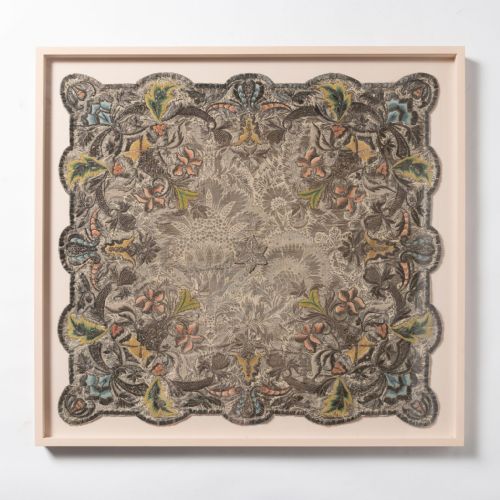
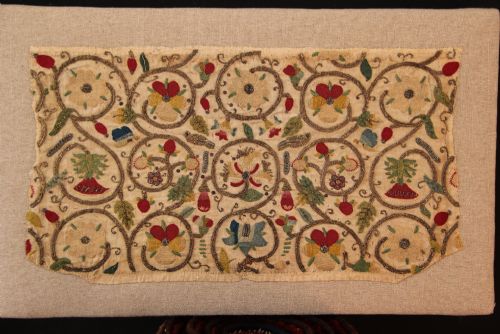
A silk thread needlework panel encompasses diverse textile forms ranging from framed pictures and samplers to large wall hangings and tribal embroideries. When you search for this phrase, you encounter pieces spanning multiple centuries, with nineteenth-century examples appearing frequently alongside eighteenth-century works and earlier fragments.
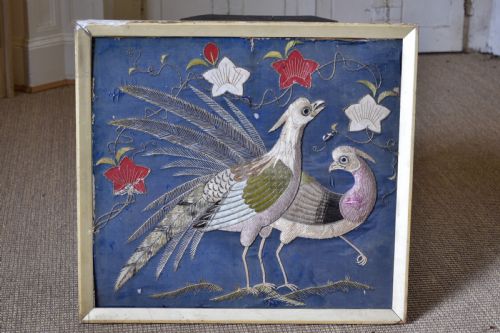
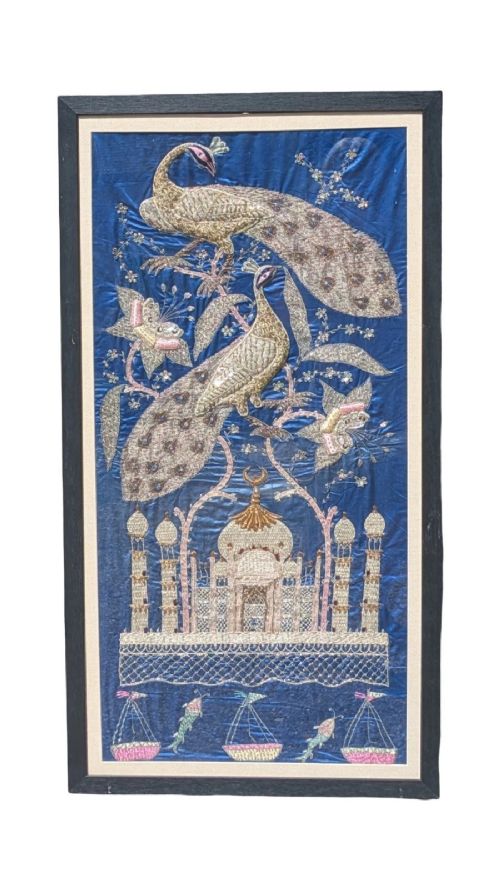
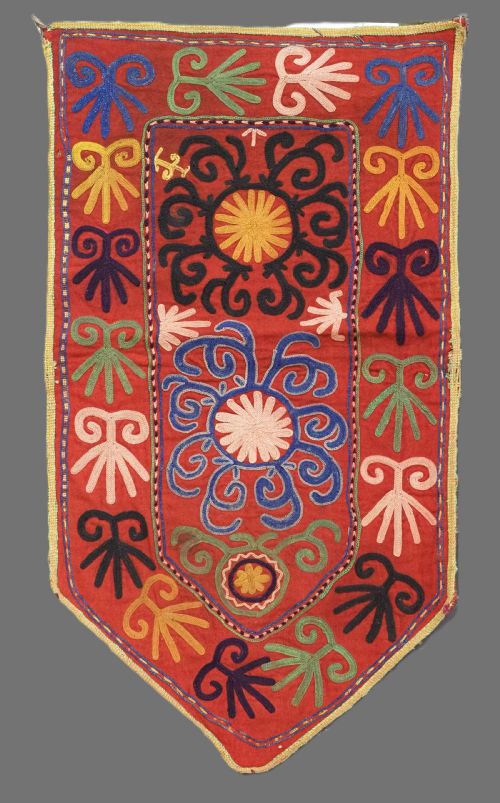
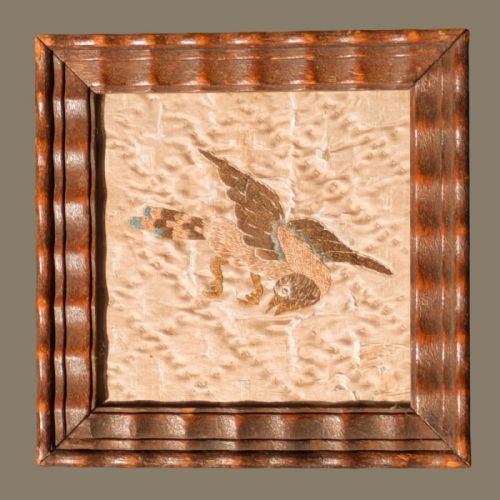
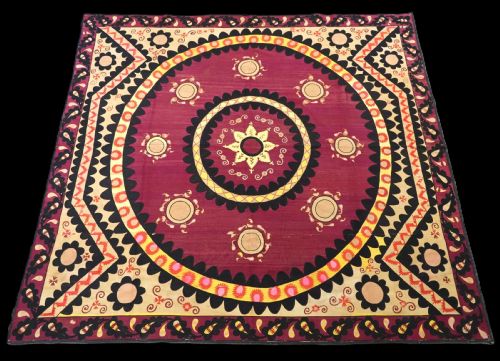
The visual subjects vary widely across regions and eras, covering pastoral farming scenes, religious compositions, birds, and intricate Central Asian tribal designs. Many items arrive mounted for wall display, preserving delicate stitches behind glass within wood or giltwood frames.
Materials and construction
These works rely primarily on silk thread worked onto grounds of linen, cotton, wool, or felt, often augmented by metallic thread for added lustre. Certain pieces incorporate padded stumpwork techniques to create raised, three-dimensional figures.
Makers utilised precise needlework stitches to build up complex pictorial scenes and geometric motifs. Framing frequently incorporates wood or giltwood surrounds to protect the textiles from environmental damage.
Listings feature periods ranging from the seventeenth century through to the 1930s, utilising silk, wool, cotton, linen, and metallic thread.
Factors determining quality
Quality rests upon the tightness and complexity of the stitchwork, alongside the preservation of the silk threads and backing materials. Superior examples display minimal thread loss and retain their original vibrant colouration.
The sophistication of the design execution and the historic integrity of the mounting also separate standard decorative pieces from exceptional collector items.
The Silk Thread Needlework Panel Glossary
- Suzani
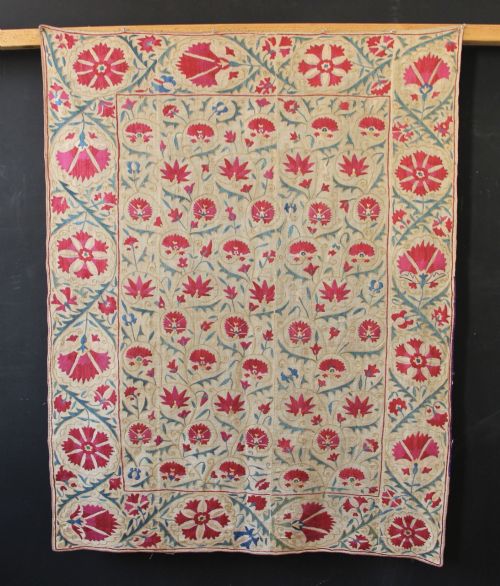
- A type of embroidered tribal textile originating from Central Asia, typically worked with silk thread on a cotton or linen ground.
- Sampler
- A piece of needlework produced to demonstrate proficiency in various stitches, often featuring alphabets, dates, and maker names.
- Stumpwork
- An embroidered technique popular in the seventeenth century that uses padding to create raised, sculptural figures on the panel.
- Coif
- A close-fitting cap worn in earlier centuries, frequently decorated with fine embroidery and metallic thread.
- Chinoiserie
- A European stylistic tradition reflecting Chinese artistic motifs, often translated into silk embroidery and wall art.
Silk Thread Needlework Panel: Frequently Asked Questions
How do I date a needlework panel?
Dating relies on stylistic clues, materials, and occasional inscriptions or dates stitched directly into samplers and pictures. Examining the backing fabric and framing methods also helps determine the approximate age.
Certain periods favoured specific subjects, such as pastoral farming scenes in the eighteenth century or tribal motifs in nineteenth-century Central Asian pieces.
Were these panels always framed?
Many textile panels spent decades or centuries stored safely before later being mounted behind glass for display. Samplers and pictures were frequently framed to protect the delicate silk threads from dust and handling.
Larger hangings and Suzanis often remain unmounted to allow flexible placement as wall textiles.
How should I care for antique silk embroidery?
Protect antique textiles from direct sunlight to prevent the silk threads from fading and becoming brittle over time. Keep panels away from excessive moisture and fluctuating humidity.
Displaying pieces behind UV-filtering glass ensures the delicate materials remain stable for years to come.
What is the difference between a sampler and a picture?
Samplers were created to practise and showcase various stitches, alphabets, and numerical sequences, often including the maker's age and date. Pictures depict specific figurative scenes, such as landscapes, religious subjects, or portraits.
Both utilise silk thread but serve different decorative and educational purposes.