




Silk Stitch Panels
Silk stitch panels bring tactile warmth to an interior, offering historic needlework and embroidery spanning English samplers to Central Asian suzanis.
Silk Stitch Panels
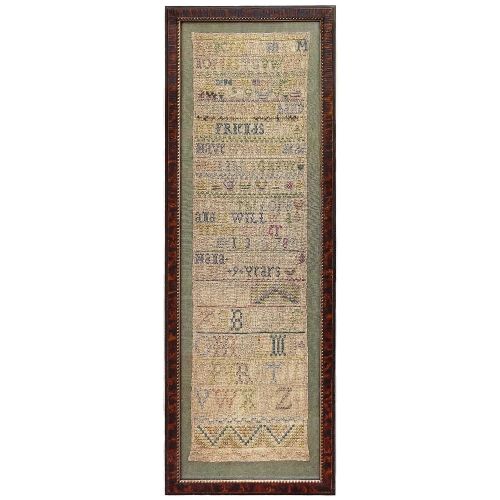
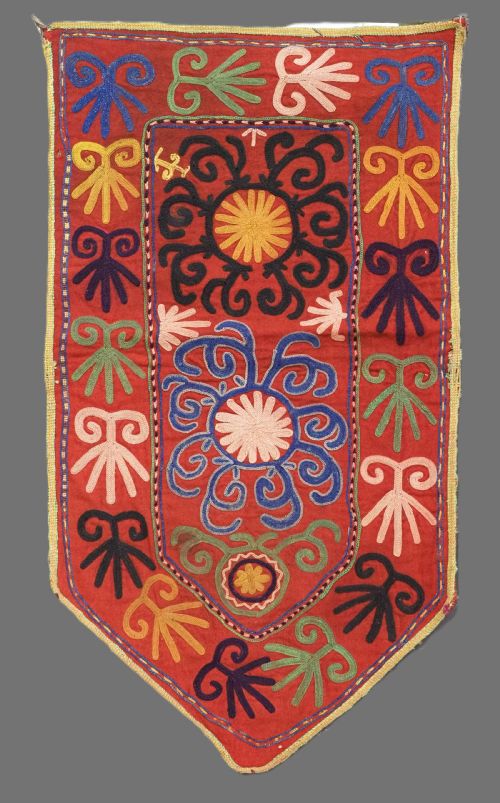
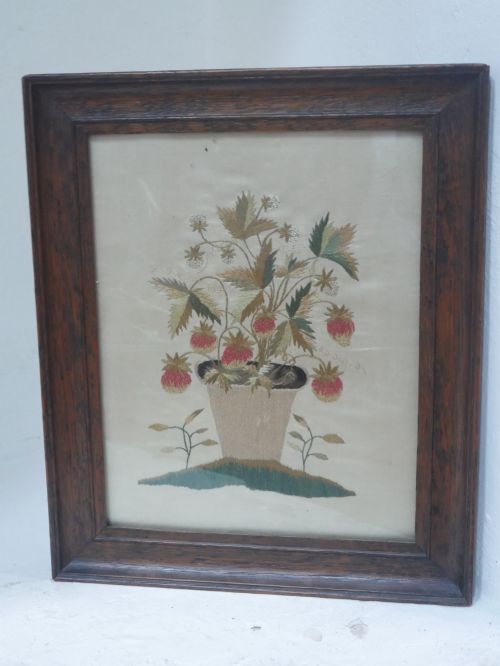
When you search for silk stitch panels, you encounter historic textiles ranging from English samplers to Central Asian embroidery. These pieces include band samplers, dowry hangings, and botanical needlework created across several centuries.
The most common examples on this page are 19th-century needlework samplers and Central Asian suzanis orilgich pieces. Makers worked on linen, cotton, or wool grounds using fine threads to produce wall hangings and textile art.
How they were made
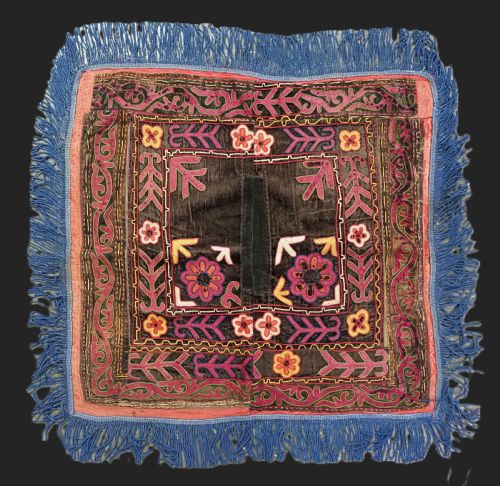
Artisans stitched with silk thread onto woven grounds of cotton, linen, or wool. Many Persian Rasht examples utilise silk and felt appliqué work on a red felt ground.
Central Asian suzanis and tribal pieces employ dense embroidery stitches to cover the foundation fabric with floral and architectural designs. English samplers demonstrate practiced needlepoint technique and alphabets worked in rows.
Silk Stitch Panels Retail Price Guide 2026
Typical asking prices for silk stitch panels among the pieces listed under this phrase on Sellingantiques today, from the lower quarter to the upper quarter. They describe what is for sale here now, not the wider market.
Listings feature periods from the 18th century, Georgian era, and 19th century through to 1930, using silk, cotton, wool, and linen.
What varies in quality
The precision of the needlework and the complexity of the design separate finer panels from simpler examples. Early English samplers often show intricate alphabets and pious texts worked by young girls.
Central Asian suzanis and ilgich hangings vary according to the density of the silk thread coverage and the richness of the ground fabric. The clarity of the floral medallions and architectural motifs indicates the skill of the maker.
Hana Chamberlin·Jane Wettmore·Louiss Elkins·Ann Hodson·Sarah Baker·Mary Mason·Martha Hall·Sarah Reading
The Silk Stitch Panels Glossary
- Sampler
- A piece of needlework produced as a demonstration or test of skill in various stitches, frequently featuring alphabets and dates. These objects record the maker's name and age.
- Suzani
- A type of embroidered tribal textile from Central Asia, typically featuring bold floral motifs on a cotton or linen ground. Makers worked these large panels for dowries and home decoration.
- Ilgich
- A Central Asian tribal embroidery piece used as a dowry wall hanging. These works display distinct regional patterns.
- Band sampler
- A long, narrow sampler containing horizontal bands of varied stitch patterns. English makers produced these in the 18th century and earlier.
Silk Stitch Panels: Frequently Asked Questions
What is a suzani?
A suzani is a large embroidered textile from Central Asia, often worked in silk on a cotton ground. These panels display vibrant floral and central star designs.
Nomadic and settled communities created them as part of dowries and for domestic wall hanging.
How old are these needlework pieces?
The pieces span from the 18th century through the Georgian and Victorian eras up to circa 1930. Many items bear specific dates marked by the original makers.
English samplers frequently record the year and the age of the young embroiderer.
Where were Rasht embroideries made?
Rasht embroideries originate from Persia and typically feature silk embroidery on felt grounds. They often incorporate small floral medallions and appliqué work.
Artisans in the city of Rasht specialised in this distinct textile tradition.
How do I hang a textile panel?
Wall hangings and framed textiles require careful mounting to support the weight of the fabric without causing strain. Conservation framing protects silk and cotton grounds from dust and light damage.
Unframed suzanis can be suspended using non-damaging textile sleeves or specialised clips.