



Silk Painting Pair
A silk painting pair brings quiet, balanced symmetry to a wall, matching delicate brushwork on woven fabric with period framing.
Silk Painting Pair
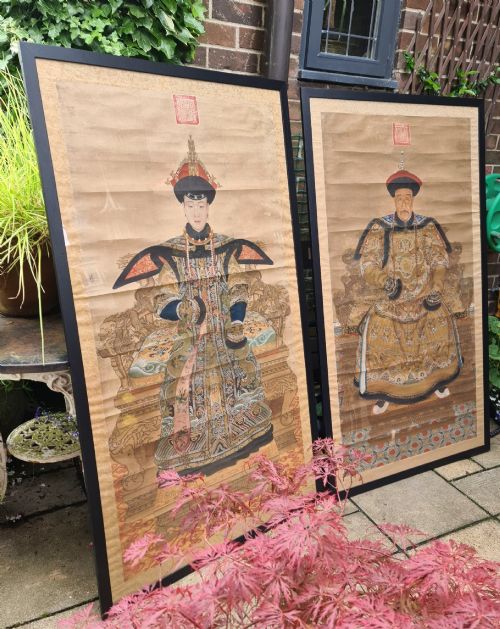
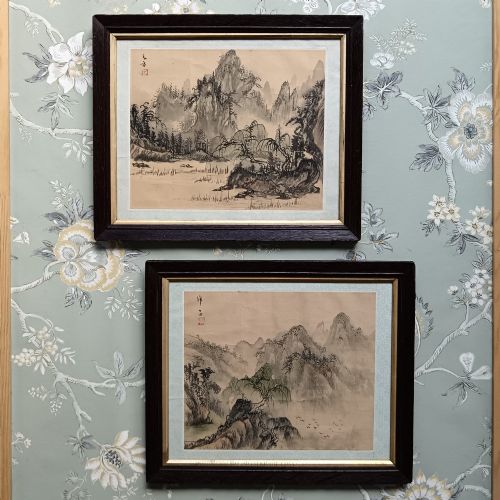
A silk painting pair consists of two complementary artworks executed on woven silk fabric, often framed to hang together as a balanced composition. These pieces appear in Chinese Shan Shui and Japanese subjects, dating across various periods from the late nineteenth century to the mid-twentieth century.
The most common examples on this page are Japanese works on silk, including signed compositions and dynamic battle scenes, alongside Chinese Shan Shui landscapes in original frames. Their formats are designed for symmetrical placement within an interior, preserving traditional Eastern artistic techniques.
Materials and construction methods
These works are painted directly onto fine silk using traditional ink and paint, relying on the natural texture of the fabric to hold pigment. The delicate nature of silk required careful mounting and framing behind glass to protect the painted surface over decades.
Original frames often utilise wood, sometimes with painted or gilded finishes, ensuring the artworks remained structurally secure. The combination of ink, silk, and period timber creates a distinct object type that relies on the preservation of both the painting and its housing.
Silk Painting Pair Retail Price Guide 2026
Typical asking prices for silk painting pair among the pieces listed under this phrase on Sellingantiques today, from the lower quarter to the upper quarter. They describe what is for sale here now, not the wider market.
Listings for a silk painting pair span from the late nineteenth century through to the mid-twentieth century, featuring Japanese and Chinese subjects.
Assessing quality and craftsmanship
Quality rests in the precision of the brushwork and the condition of the silk itself, where finer lines and distinct signatures indicate superior execution. The preservation of the fabric without tearing or heavy fading separates high-grade examples from more weathered pieces.
The integrity of the original framing also influences the overall standard, as period timber and intact glass protect the delicate painted surface. Well-preserved mountings maintain the visual balance required for a matching pair of artworks.
The Silk Painting Pair Glossary
- Shan Shui
- Traditional Chinese landscape painting style that depicts scenery using natural forms like mountains and rivers. These works are typically rendered in ink on silk.
- Silk
- A natural protein fibre woven into a smooth fabric that serves as the base for delicate brushwork and ink applications. It provides a luminous background for fine artistic detail.
- Meiji Period
- A Japanese historical era associated with distinct artistic output exported to Western markets. Pieces from this time often feature detailed paintings on silk.
- Ink
- A liquid or paste containing pigments used for writing and painting on silk surfaces. It creates permanent, fine lines essential for traditional Eastern compositions.
- Glass
- A transparent material placed over the artwork within the frame to protect the delicate silk surface from dust and handling damage.
Silk Painting Pair: Frequently Asked Questions
What is a silk painting pair?
A silk painting pair consists of two matching artworks created on woven silk fabric, designed to be displayed together. They often feature traditional Eastern subjects like landscapes or narrative scenes.
These pieces rely on delicate ink and paint techniques, typically housed in period frames under glass to protect the fragile textile base.
How should I hang them?
Hang the pair at eye level with equal spacing between them to maintain the intended visual symmetry on your wall. Keep them away from direct sunlight to prevent the silk fabric and ink from fading.
Ensure the wall is stable and use appropriate fixings that can support the weight of the framed paintings safely.
How do I care for silk paintings?
Protect the paintings from moisture and high humidity, which can damage both the silk fabric and the wooden frames. Dust the frames gently with a dry cloth without applying pressure to the glass.
Avoid using any liquid cleaners near the exposed fabric or older wooden surfaces to preserve the original materials.
Are these works signed?
Some examples feature artist signatures or seals incorporated directly into the composition on the silk. These marks provide evidence of the maker and the specific artistic tradition.
Unsigned pieces remain common, relying on stylistic execution and framing to indicate their origin and period.