





Silk Bird Picture
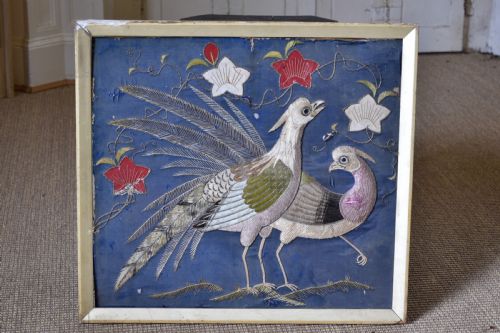
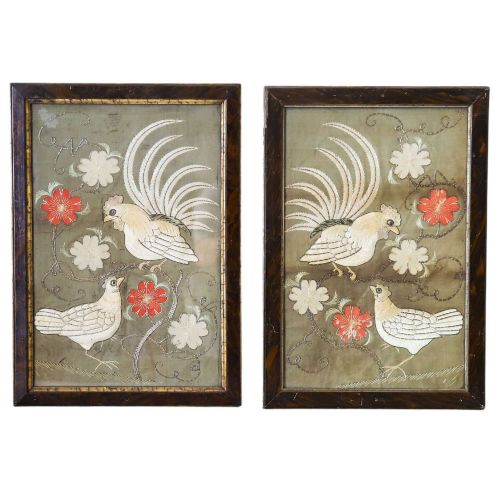
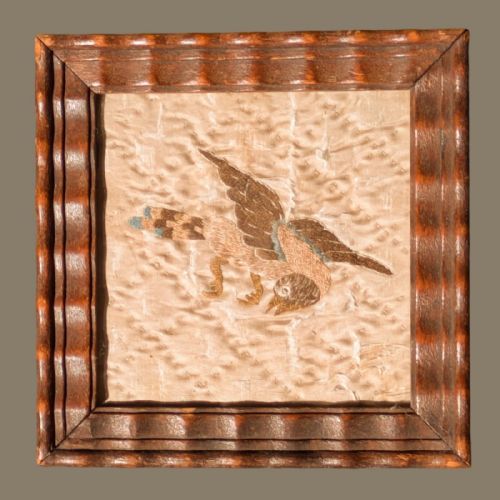
These silk bird picture examples are textile works rendered in fine threads, bringing quiet colour and historical artistry to a wall.
Silk Bird Picture
A silk bird picture brings together textile craft and avian imagery, spanning centuries of global needlework tradition. When exploring a silk bird picture, collectors encounter pieces originating from English workshops, French ateliers, and East Asian traditions.
The selection ranges from early Georgian needlework and eighteenth-century English embroidered compositions to nineteenth-century French pairs and Japanese Meiji period textiles. Forms appear primarily as framed wall art, showcasing everything from solitary pheasants to pairs of cockerels and garden birds.
Origin points vary widely, encompassing traditional Chinese and Japanese subjects alongside European interpretations of Chinoiserie and Victorian Rococo Revival styles. Buyers typically find framed embroidered textiles, glazed panels, and painted silk works framed in wood, giltwood, or faux tortoiseshell.
How They Were Made
Artisans built these works using fine silk fabrics as a ground, applying needle and thread to build texture and form. Metallic thread frequently appears alongside standard silk strands to add reflective highlights to feathers and foliage.
Certain pieces incorporate painted elements on silk backgrounds, blending brushwork with intricate embroidery stitches. Wood frames, often finished with gold leaf, gilt wood, or faux tortoiseshell, house and protect the fragile textiles behind glass.
Silk Bird Picture Retail Price Guide 2026
Typical asking prices for silk bird picture among the pieces listed under this phrase on Sellingantiques today, from the lower quarter to the upper quarter. They describe what is for sale here now, not the wider market.
Geese in flight and watchful cockerels share wall space here with stern mandarin ducks and mythical phoenixes.
What Varies in Quality
The fineness of the stitchwork and the complexity of the thread manipulation set superior examples apart from simpler pieces. Master embroiderers achieved subtle tonal gradations and lifelike plumage through varied stitch directions and density.
The preservation of the silk ground and the vibrancy of the original threads dictate the visual impact of the work. Original framing, particularly period giltwood or specialised surrounds, elevates the historical integrity of the piece.
The Silk Bird Picture Glossary
- Chinoiserie
- European artistic style reflecting Chinese motifs and decorative techniques. This aesthetic heavily influenced eighteenth-century English and continental decorative arts.
- Giltwood
- Wood carved and covered with a thin layer of gold leaf or gilt. This finish frequently borders traditional framed artworks and mirrors.
- Meiji Period
- Era in Japanese history lasting from 1868 to 1912. Textile arts from this time display exceptional technical precision in natural subjects.
- Rococo Revival
- Nineteenth-century design movement characterised by ornate, asymmetrical scrolls and naturalistic ornament. This style shaped many Victorian decorative frames and compositions.
- Mandarin Ducks
- Traditional symbolic birds representing fidelity and enduring affection in East Asian art. They frequently appear paired in classical textile compositions.
Silk Bird Picture: Frequently Asked Questions
How should I hang a silk bird picture?
Protect fragile textiles from direct sunlight to prevent the silk threads and painted details from fading over time. Position the framed work on an interior wall away from moisture sources.
Ensure the hanging hardware securely supports the weight of the wood and glass frame without straining the internal backing.
What periods do these pictures come from?
The available selection spans from the eighteenth century through the mid-twentieth century, including Georgian and Victorian eras. Pieces also represent specific international periods such as the Japanese Meiji era.
Earlier examples often feature English needlework, while later decades introduce diverse Asian and European decorative approaches.
Are these pictures always embroidered?
While needlework and embroidery dominate the selection, some compositions incorporate watercolour painting directly onto the silk ground. Metallic threads frequently accent the stitched areas to provide textural contrast.
Both painted and embroidered variants share the delicate silk base material and protective glass framing.
How do I identify Chinese versus European pieces?
Asian examples often employ specific iconography like plum blossoms, mandarin ducks, or phoenix motifs executed in regional stitching or painting styles. European works frequently reflect prevailing Western aesthetics such as Chinoiserie or Rococo Revival framing.
Examining the framing materials and underlying textile preparation also provides clues to the geographic origin.