





Silk and Wool Rug
When you search for a silk and wool rug, you meet textiles woven or embroidered across Central Asia and Persia from the nineteenth century onward.
Silk and Wool Rug
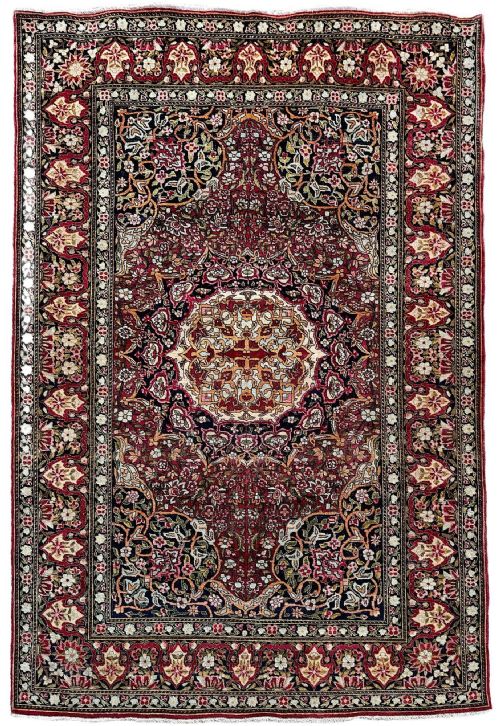
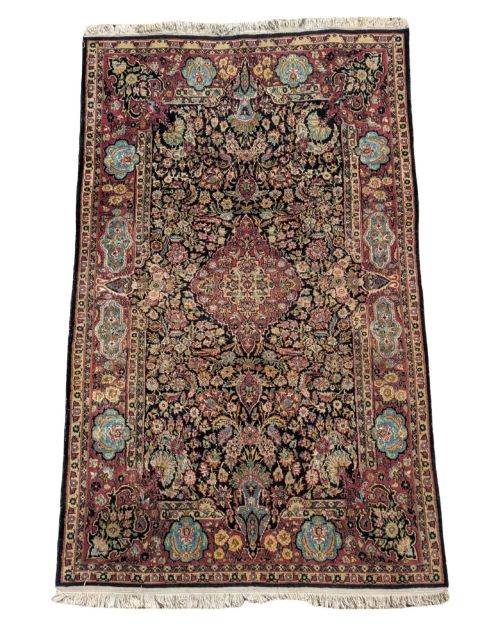
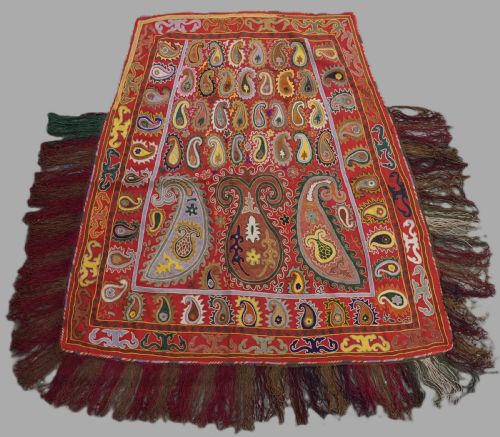
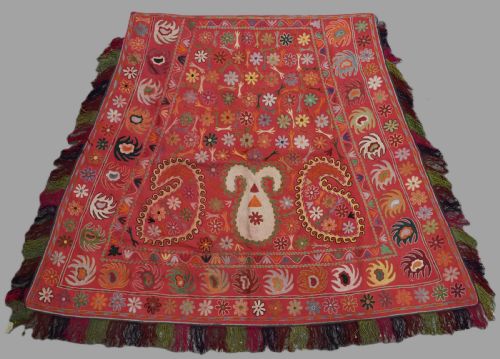
A silk and wool rug encompasses floor coverings, wall hangings, and ceremonial saddle covers originating from Persian weaving centres and Central Asian tribal regions. The selection on this page spans from the early nineteenth century through the early twentieth century, taking in Persian city carpets alongside nomadic tribal embroideries.
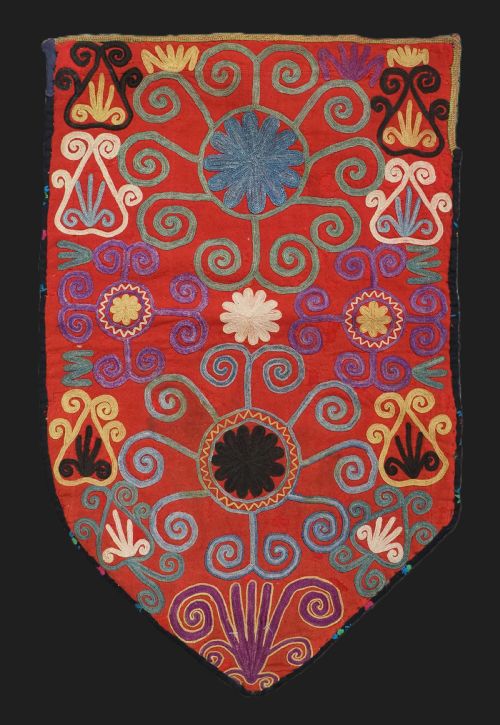
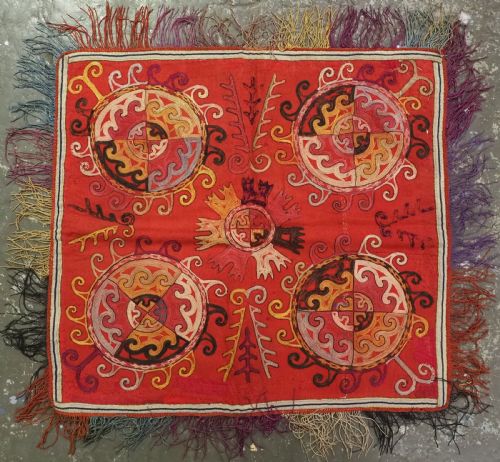
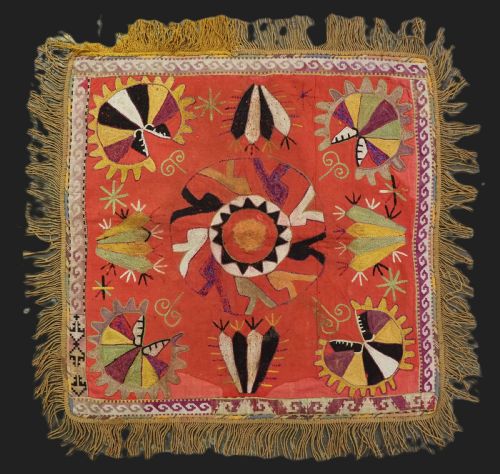
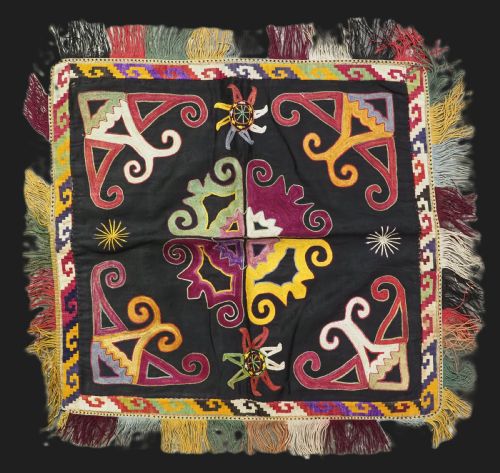
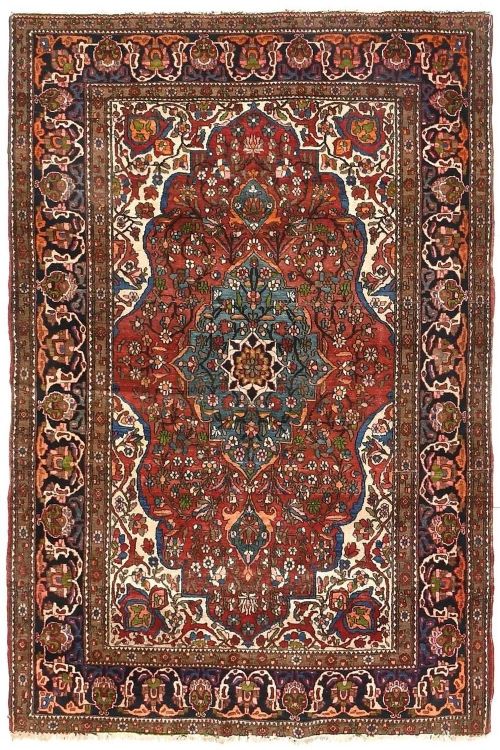
Tribal pieces include Uzbek Lakai dowry embroideries, Kyrgyz yurt wall hangings, and Turkmen torba faces utilised for household storage or ceremonial display. Persian city workshops are represented by Isfahan, Qum, Kashan, and Nain carpets, alongside Rasht needlework panels employing felt grounds.
Floor formats range from compact area rugs to large carpets, while textile forms comprise wall hangings and fragment pieces such as Khotan runners. Materials are combined to create contrasting pile textures or intricate needlework surfaces on wool, cotton, or felt foundations.
What varies in quality
Density of knotting or precision of needlework dictates the execution of the pattern. City carpets from centres such as Isfahan and Qum demonstrate fine weaves and complex medallion layouts, whereas tribal embroideries rely on the rhythm of geometric motifs and coloured silk highlights.
The choice of foundation material and the preservation of the pile or embroidery surface determine the integrity of each textile. Pieces retaining their original dimensions, vibrant silk yarns, and intact borders represent the higher end of the range.
Silk and Wool Rug Retail Price Guide 2026
Typical asking prices for silk and wool rug among the pieces listed under this phrase on Sellingantiques today, from the lower quarter to the upper quarter. They describe what is for sale here now, not the wider market.
Several ceremonial horse covers included here were dressed up for nineteenth-century festivities by horses who undoubtedly appreciated the attention.
The Silk and Wool Rug Glossary
- Ilgich
- An Uzbek dowry embroidery produced by the Lakai tribe for wall hanging or ceremonial use. These textiles feature silk stitching on wool grounds.
- Torba
- A small Turkmen storage bag face woven or embroidered for tent use. Examples often incorporate silk highlights and traditional tribal guls.
- Rasht embroidery
- Persian needlework originating from Gilan province, consisting of silk laid and stitched onto a red felt ground in floral medallion designs.
- Gul
- A repeating octagonal or medallion motif used in Turkmen tribal rug design. Each pattern identifies specific tribal groupings.
- Khotan
- An East Turkestan weaving origin producing carpets with distinctive Chinese and Central Asian design elements. Pieces often appear in runner and kelleh formats.
Silk and Wool Rug: Frequently Asked Questions
How do I care for an antique textile?
Keep these pieces away from direct sunlight to protect natural silk and wool dyes from fading. Vacuum gently with a low suction attachment without a rotating brush.
Rotate the textile periodically to ensure even wear across the surface. Professional antique textile cleaning is recommended when required.
Where were tribal embroideries made?
Tribal embroideries originate from Central Asian regions including Uzbekistan and Kyrgyzstan. Nomadic groups such as the Lakai produced dowry pieces and horse covers within these territories.
Towns like Shakrisabz served as notable centres for production. These items were created for domestic use or ceremonial display within tents and yurts.
What is the difference between a city rug and a tribal rug?
City rugs from Persian centres like Qum or Isfahan feature balanced floral compositions and fine knotting on prepared foundations. They reflect urban workshop traditions and established design canons.
Tribal rugs and embroideries display geometric motifs, asymmetrical layouts, and expressive needlework. They originate from nomadic or village traditions across Central Asia.
How are wall hangings displayed safely?
Wall hangings require a supportive sleeve or Velcro mounting system stitched along the upper reverse edge. This distributes the weight evenly across a wooden batten rather than suspending the textile from isolated points.
Avoid direct contact with damp walls by ensuring adequate air circulation behind the piece. Heavy framing behind glass is generally unnecessary for flexible textiles.