


Signed Sculpture
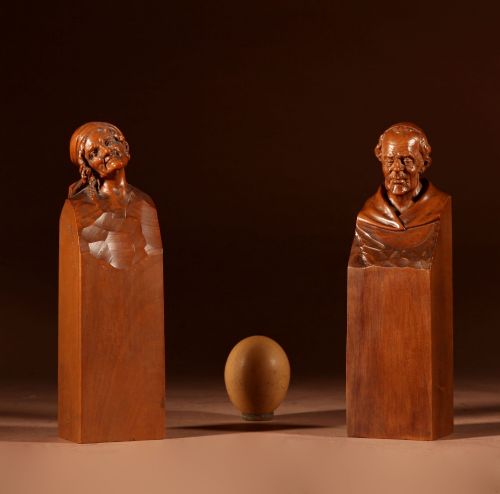
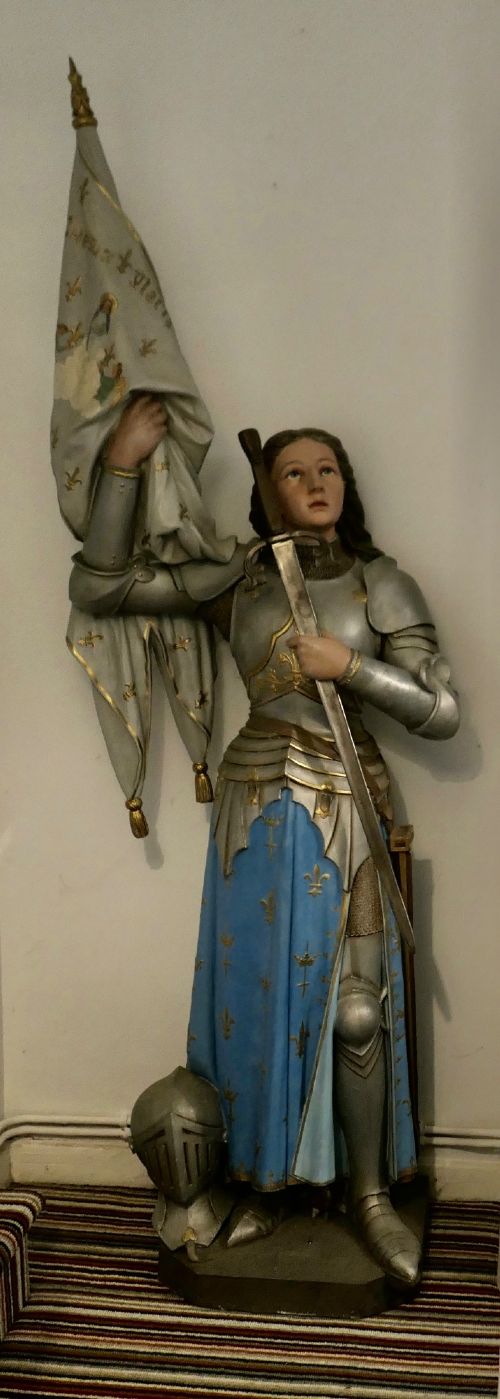
A signed sculpture brings the distinct hand of a named maker into a room, offering bronze figures, carved alabaster, and painted wood from the nineteenth and early twentieth centuries.
Signed Sculpture
Signed sculpture covers figurative works, busts, and animalier studies produced in Europe and Japan across the nineteenth and early twentieth centuries. A buyer searching this phrase encounters works in bronze, marble, alabaster, and wood bearing signatures, foundry stamps, or artist ciphers.
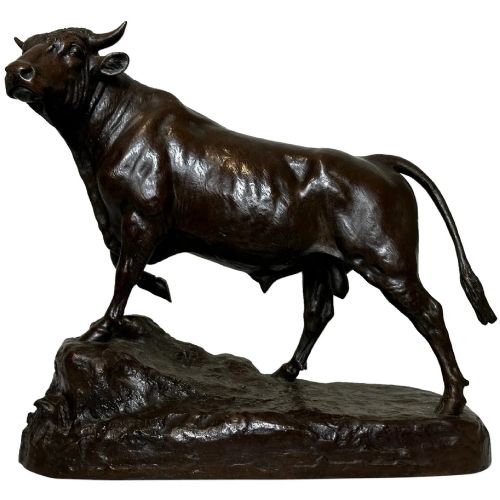
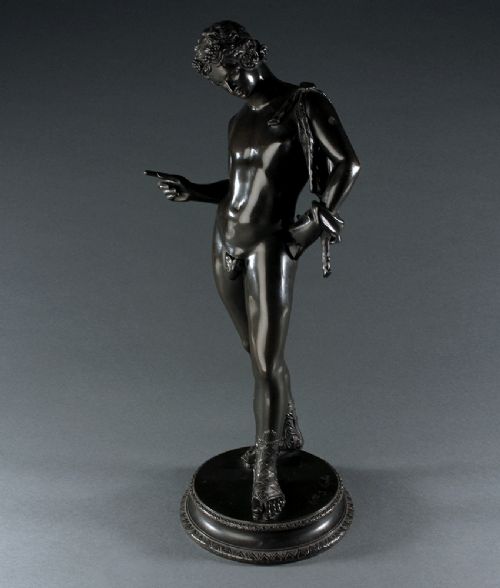
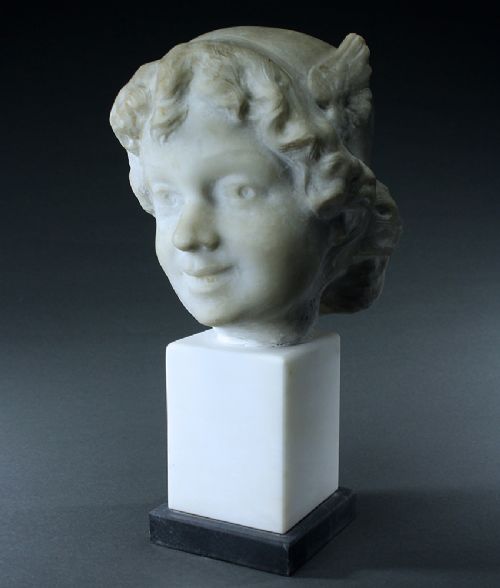
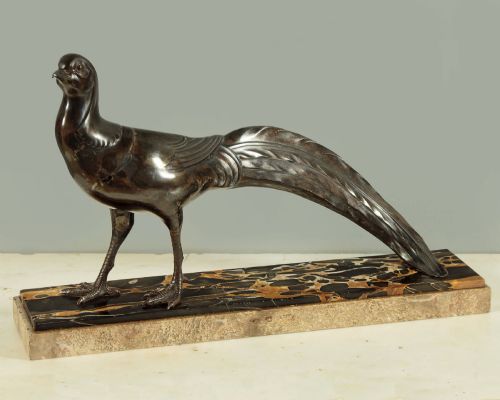
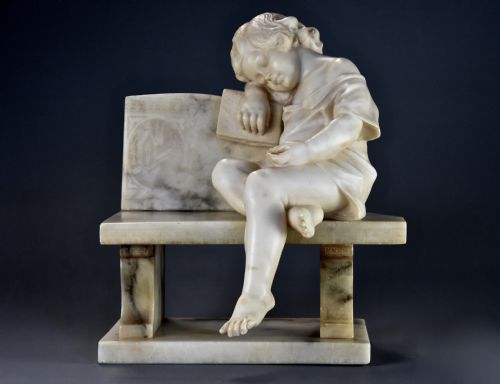
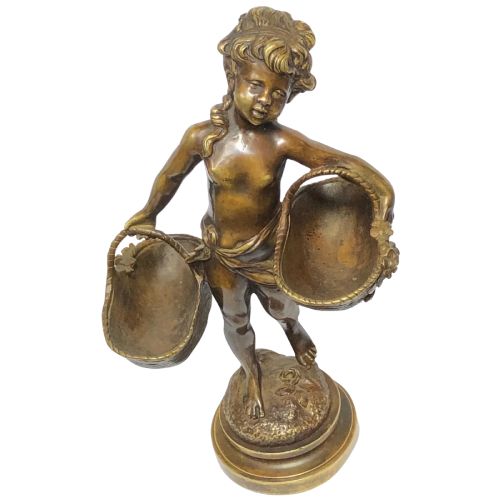
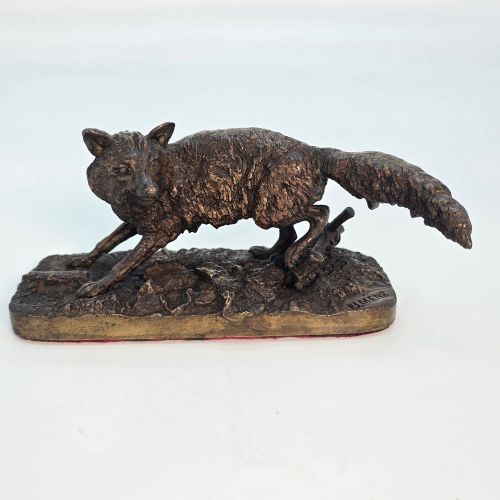
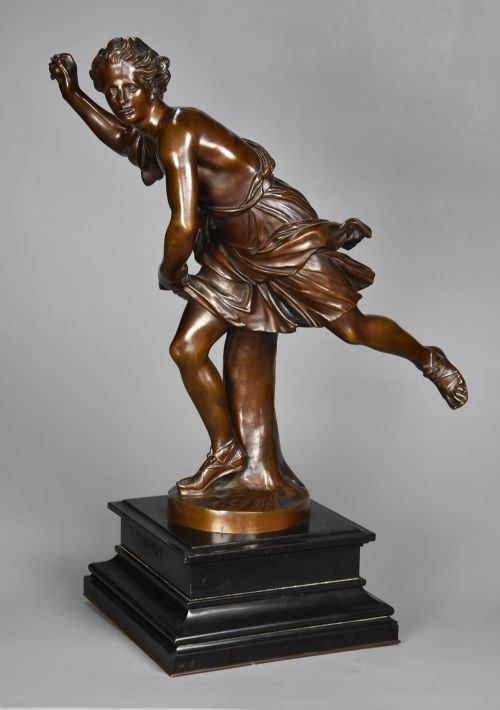
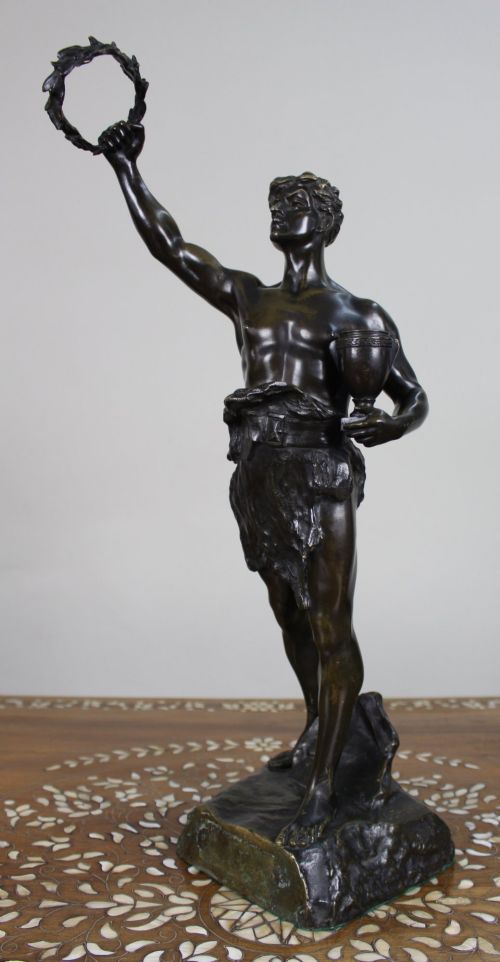
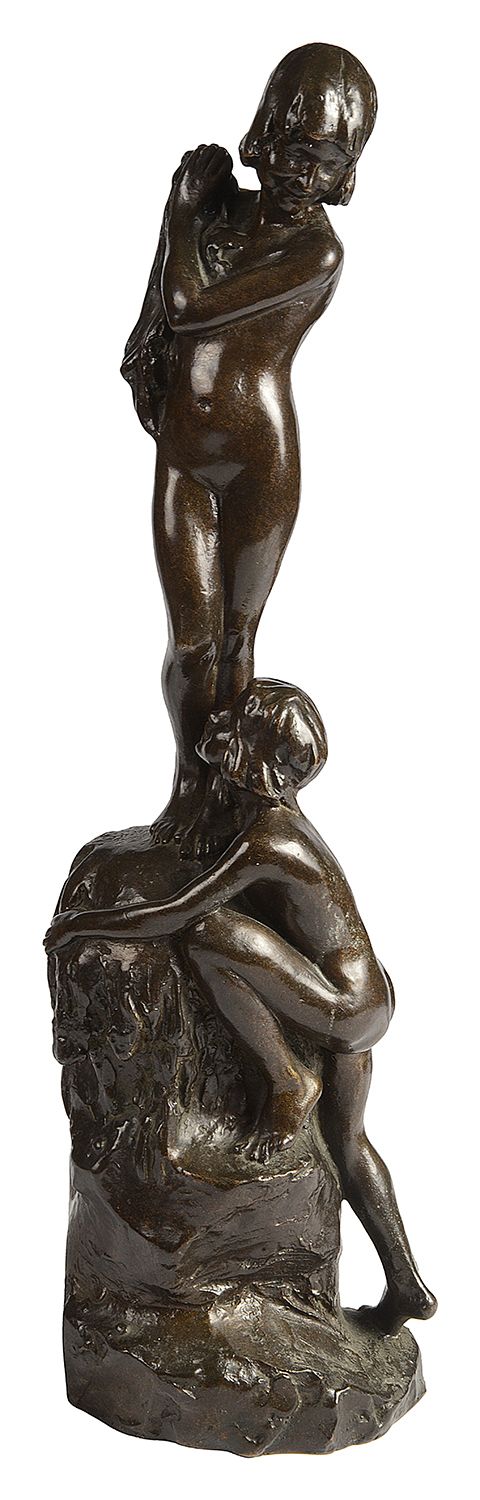
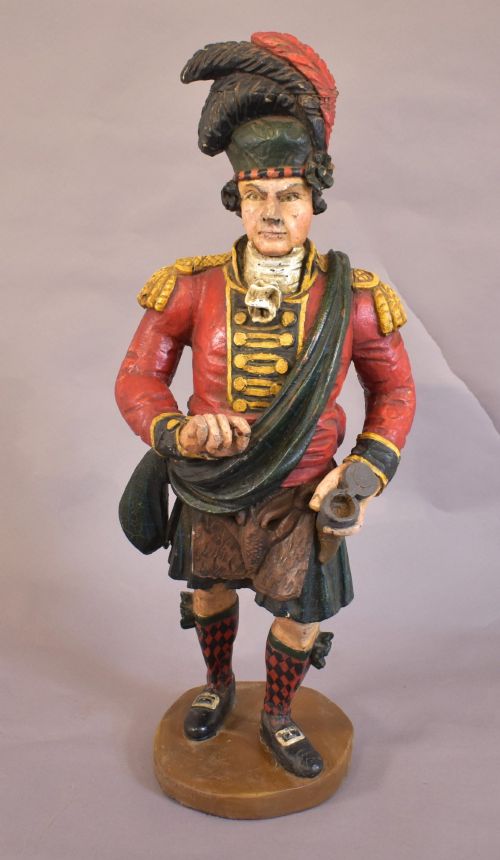
The selections on this page lean heavily towards nineteenth-century French bronzes, Italian alabaster carvings, and Japanese Meiji period okimono. These pieces range from cabinet bronzes of animals and mythological figures to life-sized trade signs and portrait busts.
How they were made
Bronzes on this page utilise the lost-wax casting method, often enhanced with cold-painted finishes or patinated surfaces applied by the foundry. Foundries such as Barbedienne utilised these precise methods to capture intricate detail from the original model.
Signed Sculpture Retail Price Guide 2026
Typical asking prices for signed sculpture among the pieces listed under this phrase on Sellingantiques today, from the lower quarter to the upper quarter. They describe what is for sale here now, not the wider market.
A sturdy wooden cow trolley stands ready to haul French butcher shop displays across the floor.
What varies in quality
Quality rests in the crispness of the casting or the depth of the carving, where master hands leave sharp definition in feathers, fur, and facial expressions. Lesser examples show softened details and blunt finishing where the artisan hurried the work.
The integration of the signature or foundry mark matters significantly, as a clear, contemporary signature connects the piece directly to the recorded hand of the artist. The quality of the patina or the preservation of original cold-painted colour also determines the standing of the piece.
Pierre-Jules Mêne·Franz Bergman·E.Villanis·Hermann Steiner·Tomochika
The Signed Sculpture Glossary
- Animalier
- A nineteenth-century artistic movement focused on the realistic depiction of animals, particularly in bronze. Sculptors like Pierre-Jules Mêne specialised in this dynamic genre.
- Patinated Bronze
- A bronze sculpture treated with chemical solutions to produce a specific surface colour or tone. This process protects the metal and highlights the sculptural contours.
- Cold-Painted Bronze
- A technique where paint is applied to a cold bronze object, usually using oil-based paints that sit on the surface rather than firing into a glaze. Franz Bergman utilised this method extensively.
- Okimono
- A Japanese ornamental carving designed for display on a household altar or shelf. These pieces are frequently carved from wood or ivory and bear signatures of the maker.
- Alabaster
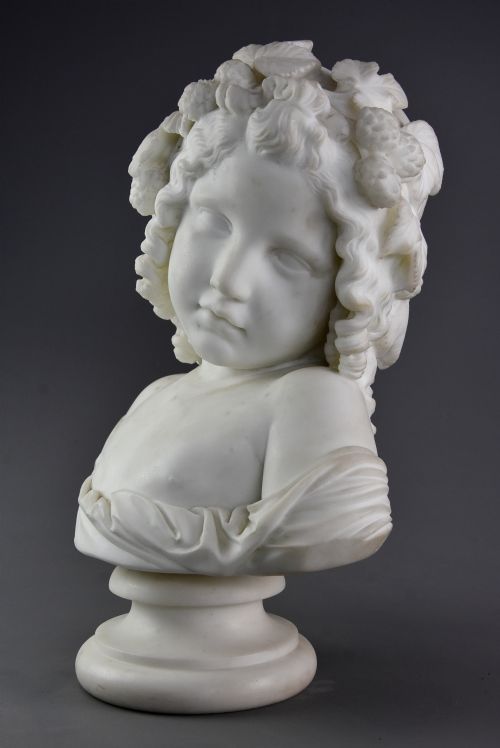
- A fine-grained, translucent stone used extensively in Italy for carved figures and busts. It allows light to penetrate slightly beneath the surface, creating a lifelike glow.
Signed Sculpture: Frequently Asked Questions
How do I identify a signature?
Signatures appear incised directly into the bronze base, carved into the stone, or stamped by the foundry near the lower edge of the piece. Look closely under good lighting using a magnifying glass to read the lettering.
Foundry marks often accompany the artist signature on nineteenth-century bronzes, indicating the commercial house that cast the work. Comparing these stamps to documented foundry records confirms the period.
What is a cold-painted bronze?
A cold-painted bronze is a metal sculpture painted after the casting process without firing the colours in a kiln. These works rely on delicate oil paints to capture the vibrant plumage of birds or the clothing of figures.
Care is required when living with cold-painted bronzes because the surface paint can flake if handled roughly or exposed to moisture. Gentle dusting with a soft brush preserves the original pigment.
How do I clean marble and alabaster?
Alabaster and marble require dry dusting with a soft, lint-free cloth to remove surface particles without scratching the polished stone. Water and chemical cleaners damage the porous surface and dissolve the soft mineral structure of alabaster.
Keep these stone sculptures away from direct sunlight and heat sources to prevent the material from drying out or discoloring. Professional conservation is necessary if deep staining occurs.
What defines an animalier sculpture?
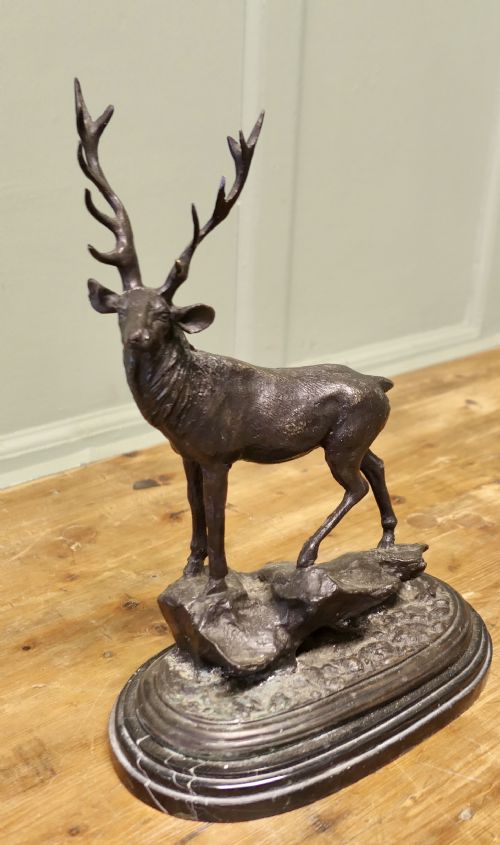
Animalier sculptures focus exclusively on the anatomical accuracy and natural behaviour of animals in motion or repose. Artists observed living creatures closely to render muscle tension and fur texture with precision.
These bronzes frequently sit on naturalistic bases representing rocks, grass, or earth. Collectors display them on desks or tables where the detailed casting can be inspected closely.