




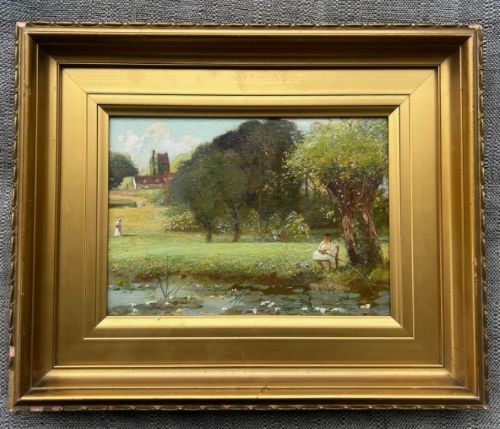


Signed Scottish Landscape Art
Signed scottish landscape art brings lochs, rivers and rugged highlands into rooms through the hands of painters working across the nineteenth and twentieth centuries.
Signed Scottish Landscape Art
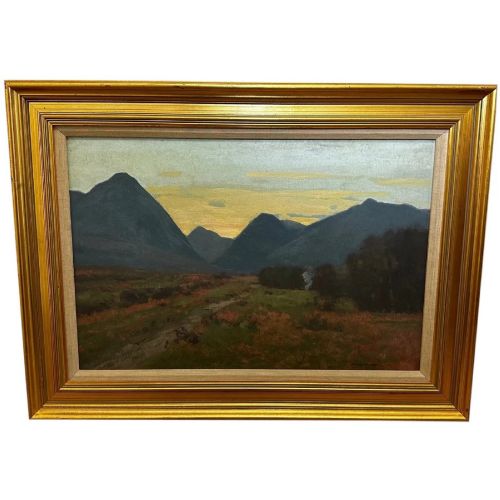
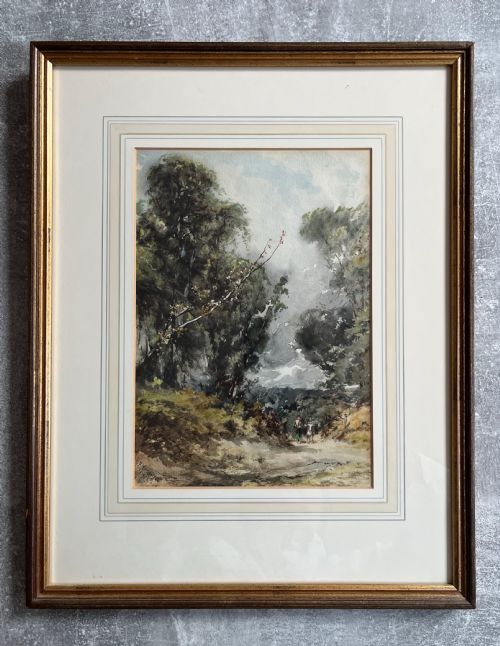
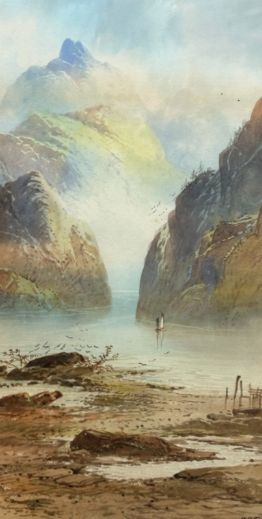
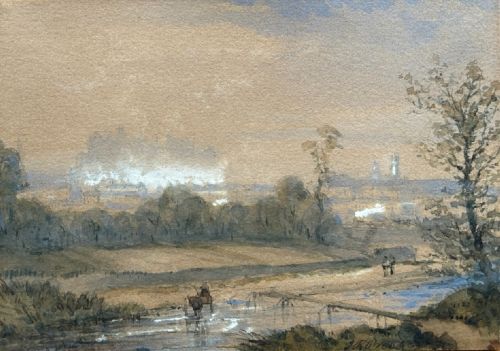
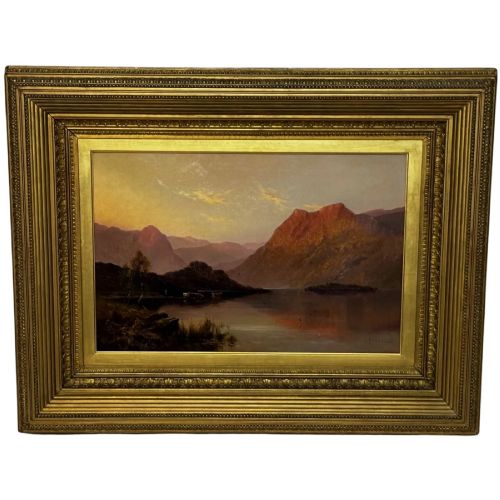
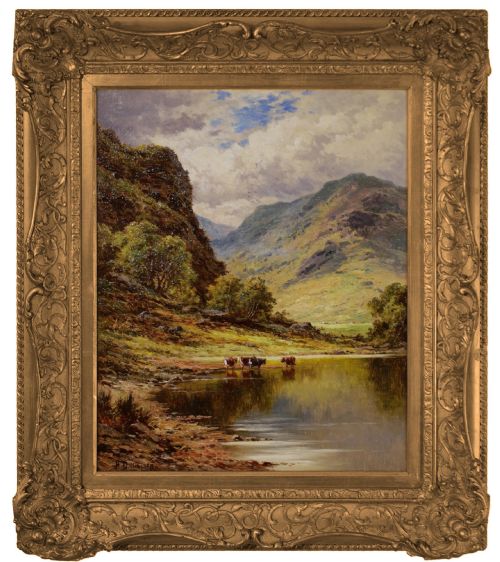
Signed scottish landscape art comprises original works in oil and watercolour that capture scenes from the Highlands, Edinburgh, the Isle of Arran and rural waterways. A buyer examining this selection encounters framed pieces spanning the Victorian era, the Edwardian period and mid-century modern movements.
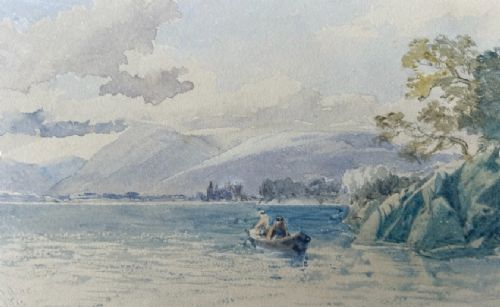
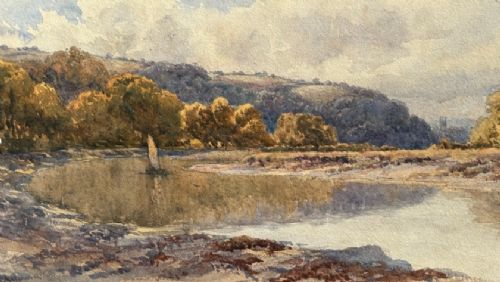
The most common examples on this page are nineteenth-century watercolours and oil paintings on wood panel or canvas. These works frequently depict specific locations such as Loch Awe, Loch Leven and the Firth of Forth.
Works range from detailed Victorian topographical views to broader impressionistic treatments by members of the Scottish School and British School. Each piece bears the mark of the artist, offering a direct link to the painter's hand.
How they were made
Artists painted on prepared canvas, paper, wood panel and board, applying oil paint or watercolour to record light and atmosphere. Oil paints provided rich texture and depth for highland scenes and coastal waters, while watercolours allowed for delicate washes on paper.
Finished works were typically housed in period gilt frames under glass where appropriate, preserving the paper or canvas from environmental damage. Signatures, monograms and dates were inscribed directly onto the painted surface or mount by the artist.
Signed Scottish Landscape Art Retail Price Guide 2026
Typical asking prices for signed scottish landscape art among the pieces listed under this phrase on Sellingantiques today, from the lower quarter to the upper quarter. They describe what is for sale here now, not the wider market.
Listings feature works executed on canvas, paper, wood panel and board using both oil paint and watercolour.
What varies in quality
Quality rests in the handling of light, topographical precision and the confidence of the brushwork across the canvas or paper. Stronger examples display a sure sense of composition and atmospheric depth in rendering skies, water and terrain.
The distinction between standard works and exceptional pieces lies in the fidelity of the local colour and the preservation of the original medium. Well-preserved works retain their pigment vibrancy within appropriate period framing.
David Law·George Fotherly Hargitt·Thomas Miles Richardson Jnr·William Henry Earp·John R Prentice·Tom Campbell·Alfred Fontville de Breanski Jr·George Houston·Henry H Parker·William George Tennick·Sir David Murray·William Littlejohn·Robert Buchan Nisbet·Sam Bough·Benjamin Williams Leader·Thomas Pritchard·Alastair Flatterly·J Gibb
The Signed Scottish Landscape Art Glossary
- Oil paint
- A slow-drying paint made from pigment suspended in a drying oil, typically linseed, allowing for rich blending and textured application on canvas or wood panel.
- Watercolour
- A painting method in which the paints are made of pigments suspended in a water-based solution, traditionally applied to paper.
- Wood panel
- A rigid wooden support used by artists as an alternative to stretched canvas for oil paintings.
- Gilt frame
- A decorative wooden picture frame coated with gold leaf or metallic gilt paint, common in period framing.
Signed Scottish Landscape Art: Frequently Asked Questions
What periods do these paintings come from?
The listings include works created during the Victorian and Edwardian eras, alongside mid-century pieces.
Dates stretch from the nineteenth century through to the mid-twentieth century.
How should I hang watercolour paintings safely?
Watercolours on paper require protection from direct sunlight to prevent the pigments from fading over time.
Keep them away from damp environments and ensure they remain glazed beneath glass.
What subjects appear most frequently in these scenes?
Artists focused heavily on Scottish geography, including highland landscapes, coastal estuaries, lochs and river views.
Scenes often incorporate rustic bothies, fishing boats, sheep and local inhabitants within the terrain.