



Signed Porcelain Vase
A signed porcelain vase carries the direct mark of the artist, bringing a personal hand to fine ceramic forms.
Signed Porcelain Vase
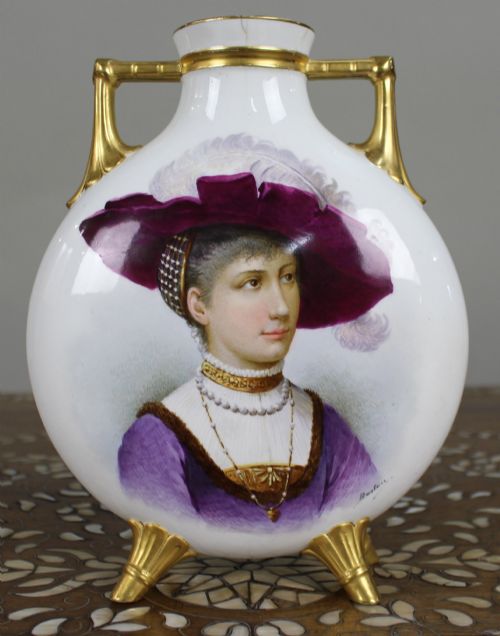
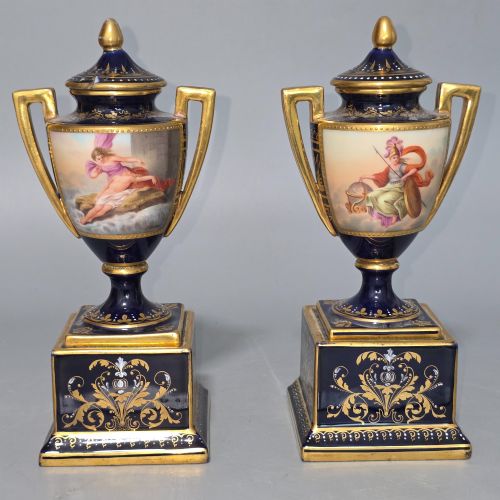
A signed porcelain vase represents a distinct intersection between studio artistry and mass production, bearing the personal signature of the decorator or maker. Buyers searching for a signed porcelain vase encounter varied ceramic forms, ranging from monumental Kyoto Satsuma vessels to delicate Royal Worcester fruit-painted spill vases and Austrian moon flasks.
The selection on this page draws heavily from the nineteenth century through the mid-twentieth century, encompassing Victorian, Edwardian, and Art Deco periods. Forms include ewers, amphora vases, pot pourri jars, and miniature pieces, showcasing traditional English, Japanese Meiji, and Republic period aesthetics.
Most pieces likely to be met here combine fine bone china or porcelain with hand-painted decoration. The signatures identify individual painters, workshops, or recognised manufactories that elevated standard ceramic production into distinct works of art.
Materials and construction methods
The foundation of these vessels relies on porcelain, earthenware, and fine bone china, shaped into traditional forms such as amphorae, moon flasks, and lidded urns. Ceramic bodies are thrown or moulded before undergoing high-temperature firing to achieve a durable, vitreous base suitable for intricate surface decoration.
Surface ornamentation utilises hand-painted enamel pigments, gold leaf, gilding, and gilt accents applied over or under the glaze. Once the detailed painting of landscapes, figures, or fruit is complete, the pieces undergo secondary firings to permanently fuse the precious metals and colours to the porcelain body.
Signed Porcelain Vase Retail Price Guide 2026
Typical asking prices for signed porcelain vase among the pieces listed under this phrase on Sellingantiques today, from the lower quarter to the upper quarter. They describe what is for sale here now, not the wider market.
The listings on this page span the 19th Century, Victorian, Edwardian, and Art Deco periods, utilising porcelain, earthenware, and fine bone china.
Quality variations in signed ceramics
Quality in these ceramics is distinguished by the complexity and precision of the hand-painted brushwork. Superior examples exhibit intricate detail in portraiture, landscapes, or natural subjects like fruit and animals, executed by known artists rather than anonymous factory decorators.
The richness and application of the gilding and gold leaf further separate standard production from exceptional pieces. Heavier, more refined use of raised gold detailing and well-preserved enamel work indicate higher execution standards during manufacture.
Royal Worcester·Vienna Porcelain·Royal Doulton·Herend
The Signed Porcelain Vase Glossary
- Porcelain
- A hard, white, translucent ceramic made from kaolin and petuntse. It provides a smooth, non-porous ground ideal for detailed hand-painted decoration.
- Gilding
- The application of gold leaf or gold paint to the surface of the ceramic. This technique highlights rims, handles, and decorative borders.
- Moon Flask
- A flattened circular flask with a short neck and two handles, often supported on a small base. It is a traditional shape frequently used for decorative display.
- Ewers
- Pitcher-like vessels featuring a rounded body, narrow neck, and spouted rim with a handle. They were originally designed for pouring water but evolved into purely decorative ornaments.
- Spill Vases
- Tall, narrow cylindrical containers made to hold wooden spills used for lighting fires. In later periods, they served primarily as mantelpiece decorations.
Signed Porcelain Vase: Frequently Asked Questions
What does a signature indicate on a vase?
A signature on a ceramic piece typically identifies the specific artist who painted the decoration rather than the factory that produced the raw clay body. In many cases, painters worked independently or for major manufactories, signing their completed artwork to denote authorship.
Collectors look for these signatures to trace the lineage of the piece to recognised decorators, which often adds historical context and distinction to the object.
How do I care for gilded porcelain?
Gilded porcelain requires gentle maintenance to preserve the delicate gold leaf and enamel decoration over time. Dusting with a soft, dry cloth is usually sufficient for regular upkeep.
Harsh chemical cleaners, abrasive sponges, and immersion in water should be strictly avoided, as these methods can wear away the fragile metallic layers and painted details.
Are miniature vases different from standard ones?
Miniature vases share the same materials, painting techniques, and artistic styles as their larger counterparts, simply executed on a smaller scale. These delicate pieces required high technical skill from the painter to fit intricate landscapes or floral motifs onto tiny surfaces.
They were popular collector's items in various periods, allowing owners to display fine art pottery in limited spaces.
What is Satsuma ware?
Satsuma ware is a type of Japanese pottery traditionally characterised by an ivory-colored, crackle-glazed earthenware body. It is typically decorated with elaborate polychrome enamels and heavy gilding, often depicting figures, flora, or landscapes.
Pieces originating from the Meiji period often bear specific artist signatures or workshop marks on the base, reflecting the high craftsmanship of Japanese export art.