

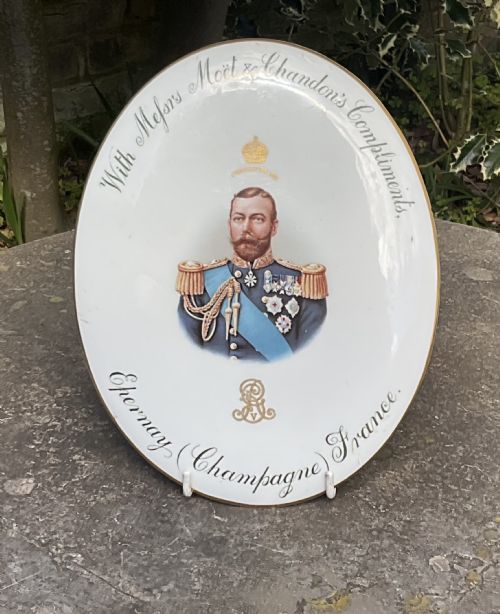


Signed Porcelain Plate
A signed porcelain plate carries the mark of a named artist, turning standard tableware into a work of individual skill.
Signed Porcelain Plate
A signed porcelain plate represents the pinnacle of ceramic decoration, where the artist leaves their personal signature alongside the factory mark. When searching for a signed porcelain plate, buyers encounter pieces intended primarily for display rather than everyday dining.
The pieces on this page span the late nineteenth century through to the later decades of the twentieth century. Forms range from standard cabinet plates and dessert dishes to large chargers and decorative plaques.
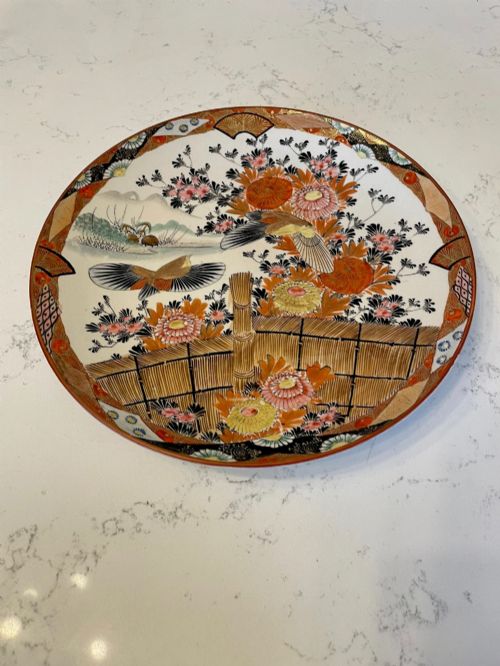
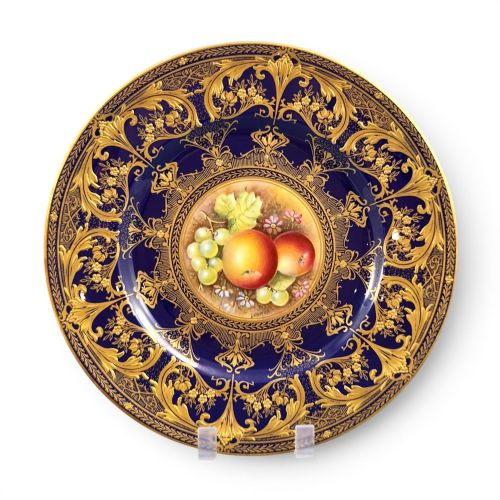
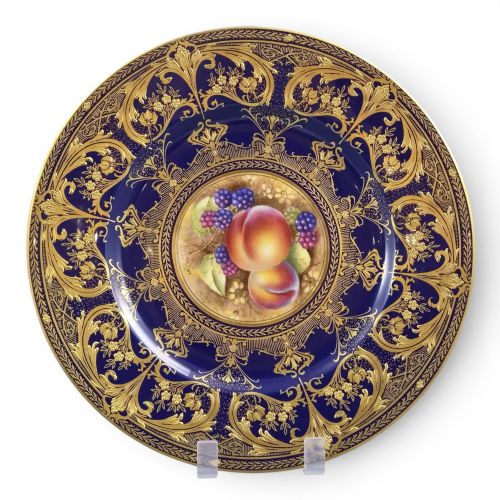
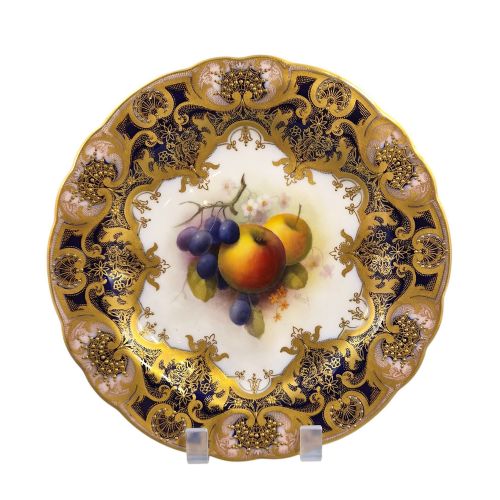
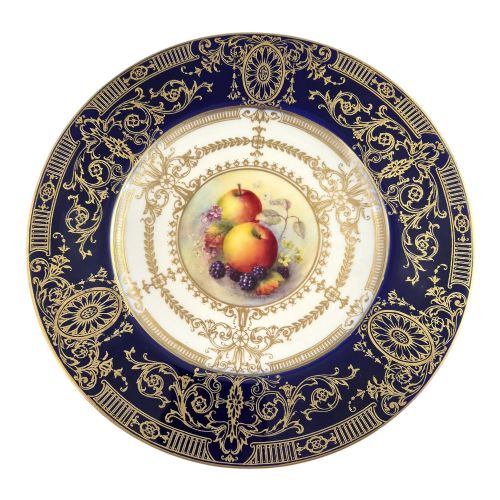
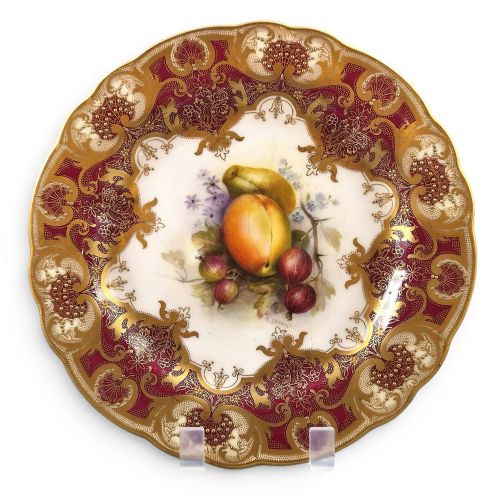
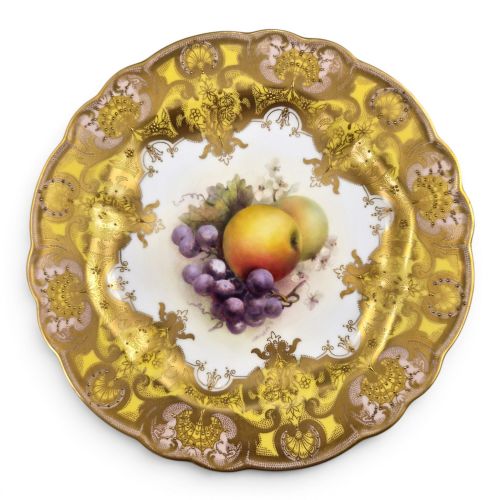
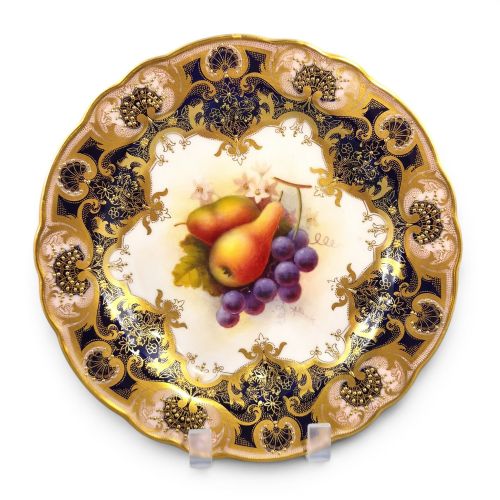
English factories such as Royal Worcester and Royal Crown Derby dominate the selection alongside continental makers like Royal Vienna and Japanese studios. Hand-painted fruit studies and classical figure scenes are the most common subjects on these surfaces.
Materials and methods of production
Makers utilised fine porcelain and bone china as the stable base for detailed brushwork. Artists applied overglaze enamel colours directly onto the fired white surface before a secondary firing fixed the pigments.
Gold leaf and gilding frequently outline the painted central well or edge the rim, sometimes complemented by cobalt blue grounds. Techniques range from delicate hand-painted fruit studies to intricate cloisonne tree bark effects on Japanese chargers.
Signed Porcelain Plate Retail Price Guide 2026
Typical asking prices for signed porcelain plate among the pieces listed under this phrase on Sellingantiques today, from the lower quarter to the upper quarter. They describe what is for sale here now, not the wider market.
Artists occasionally signed their delicate fruit studies right next to a painted wasp, adding a touch of rustic realism to the porcelain.
Assessing quality and craftsmanship
Quality rests in the precision and naturalism of the hand-painted subject matter. Plates painted by documented factory artists demonstrate superior brush control and depth of colour compared to standard production pieces.
The application of gilding and the richness of the enamel palette also separate standard items from exceptional examples. A crisp artist signature adds both documentary value and artistic provenance to the ceramic body.
Shozo·Richard Sebright·Albert Shuck·Brian Leaman·J Smith·Wagner·Richard Budd·Joseph Birbeck senior·F Garnett
The Signed Porcelain Plate Glossary
- Cabinet plate
- A decorative ceramic plate intended for display in a cabinet rather than for serving food. These pieces usually feature elaborate hand-painted scenes and rich gilding.
- Overglaze enamel
- Coloured glass decoration applied on top of the already fired and glazed porcelain. This technique requires an additional low-temperature firing to fuse the pigments.
- Totai shippo
- Japanese porcelain decorated with cloisonne enamels on the surface. Metal wires create cells that are filled with coloured enamel paste.
- Gilding
- The application of gold leaf or gold powder to the ceramic surface. It highlights rims, borders, and painted panels.
- Charger
- A large decorative plate or dish used historically as a base setting or displayed upright on a wall or dresser.
Signed Porcelain Plate: Frequently Asked Questions
What makes a signed porcelain plate valuable?
Value depends heavily on the skill of the artist whose signature appears on the front or back of the ceramic. Detailed hand-painted subjects like fruit or classical figures by known factory painters command strong interest.
Condition, the richness of the gilding, and the prestige of the manufacturing house also contribute significantly to the standing of the piece.
How do I display a cabinet plate safely?
Cabinet plates should be supported securely using specialised wall hangers with protective rubber tips or sturdy plate stands designed for heavy porcelain.
Keep them away from direct sunlight to prevent the enamel colours and gilding from fading over time.
Are these plates meant for daily use?
These pieces were created primarily as decorative items rather than practical tableware. Hand-applied enamels and delicate gold leaf can wear down with frequent washing and cutlery use.
Gentle dusting with a dry cloth is sufficient for routine maintenance.
How can I identify the artist on a plate?
Artists usually signed their work discretely near the edge of the central painted scene using fine brushstrokes. Comparing this signature with factory records or known examples helps confirm the painter.
Factory backstamps on the reverse often provide additional clues to the production date and era.