





Signed Porcelain Painting
Signed porcelain painting brings together the detailed skill of ceramic artists and the permanent brilliance of enamel decoration.
Signed Porcelain Painting
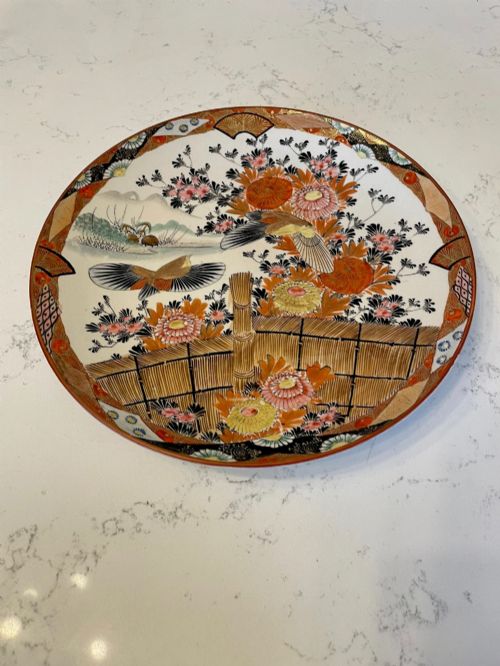
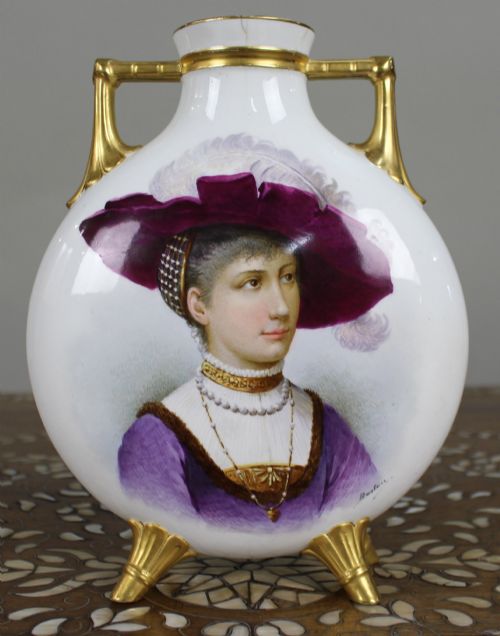
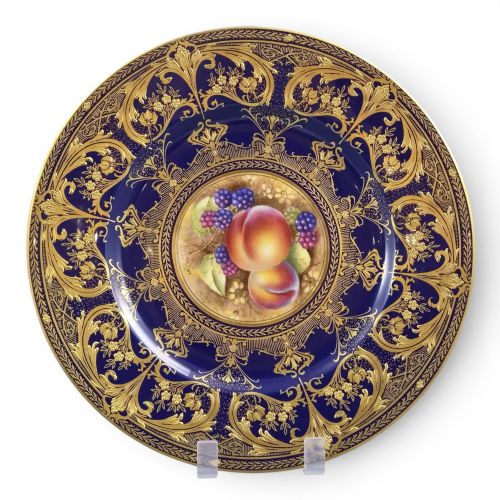
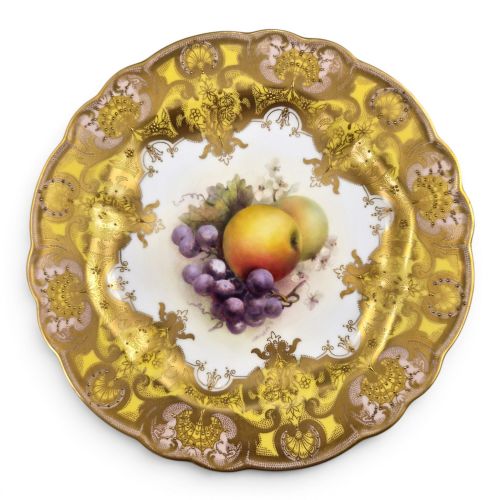
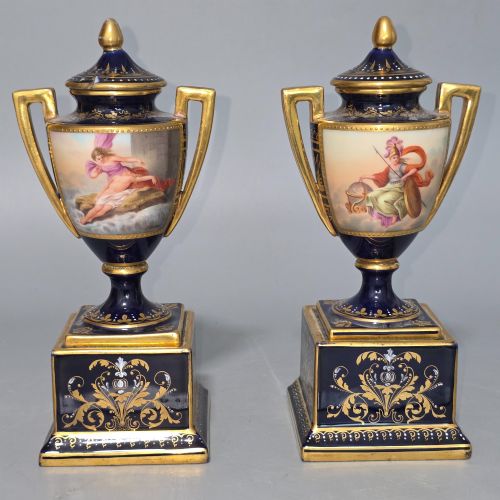
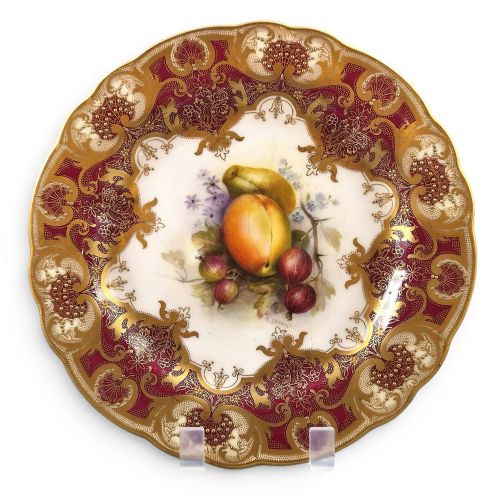
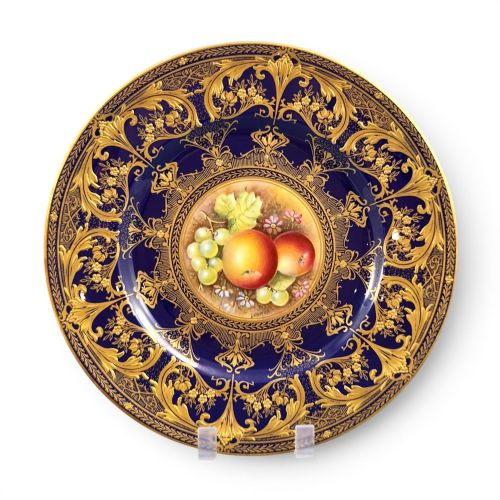
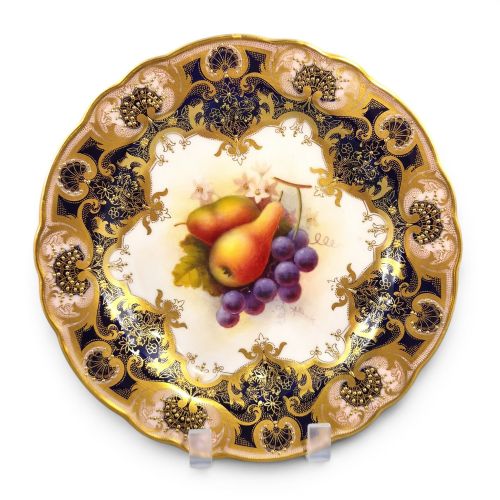
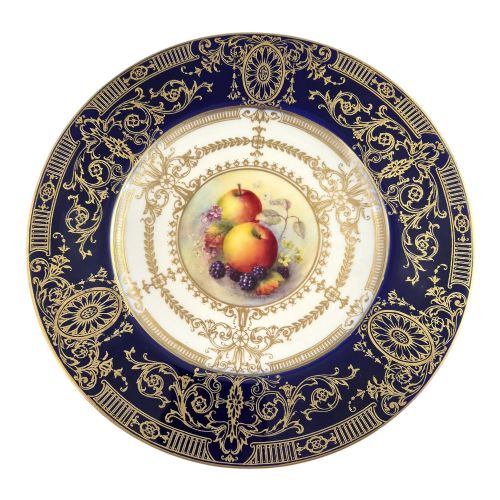
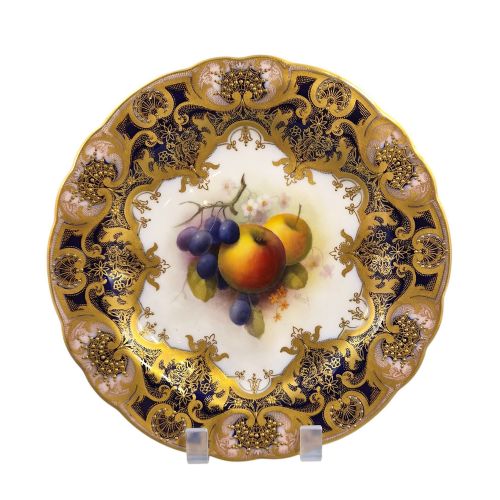
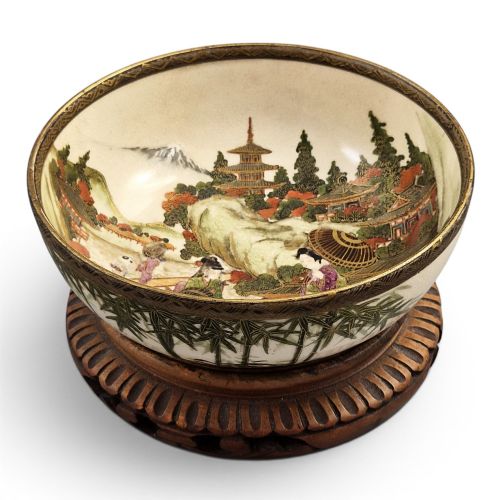
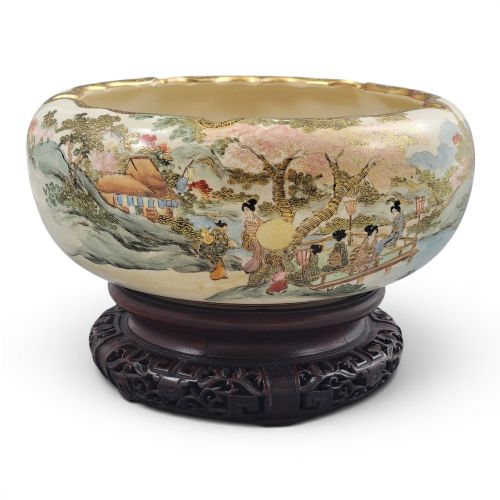
A signed porcelain painting on this page typically takes the form of cabinet plates, decorative bowls, vases, and framed plaques created across the nineteenth and twentieth centuries. These objects display hand-painted compositions bearing the personal signature or mark of the artist, maker, or studio.
Buyers will most frequently encounter English factory-produced porcelain, particularly pieces from Royal Worcester decorated by named artists, alongside Japanese Satsuma wares and Continental cabinet plates from Vienna and Austria. The forms range from small miniature vases and cream jugs to monumental urns and wall plaques.
The selection reflects both European traditional fruit painting and Asian ceramic artistry, uniting works from the Meiji period through to later decades. Each piece displays an artist's hand applied directly to the porcelain body, enamel, or gilt surface.
Materials and production methods
Potters shaped the base bodies from porcelain, bone china, or earthenware, which were then fired before receiving initial glazed surfaces. Artisans applied hand-painted enamel colours and gold leaf details directly onto the prepared ceramic ground.
Makers utilised gilding, gilt accents, and raised enamel work to frame the central painted subjects. Subsequent kiln firings fused the mineral pigments and gold into the glaze, ensuring permanent colour adherence.
Signed Porcelain Painting Retail Price Guide 2026
Typical asking prices for signed porcelain painting among the pieces listed under this phrase on Sellingantiques today, from the lower quarter to the upper quarter. They describe what is for sale here now, not the wider market.
Some industrious artists signed even the smallest miniature vases, ensuring their tiny brushstrokes received permanent credit across the centuries.
Distinctions in execution
The level of artistic detail in the brushwork separates standard production items from master-painted works, particularly in the rendering of fruit, figures, and natural scenes. Precision in the application of gold leaf and the complexity of the surrounding enamel patterns also indicate the maker's standing.
The prestige of the factory and the documented skill of the individual painter significantly influence the character of the piece. Works bearing signatures from recognised factory artists or master ceramicists demonstrate superior compositional balance and technical control.
Shozo·Baston·Richard Sebright·Albert Shuck·Brian Leaman·F. Koller·Gyokkō·Kozan·Shizan·Chivers·H Ayrton·John.H.Plant·Shuzan·Kinkozan·J. Southall·James Stinton·H Davis·Freeman·Ayrton·Seiko-en Chokei·Nikko·P Love·J Smith·Gao Hengsheng·William Ricketts
The Signed Porcelain Painting Glossary
- Cabinet plate
- A decorative ceramic plate intended for display in a cabinet rather than for dining use. These pieces often feature elaborate hand-painted central scenes and gilded borders.
- Enamel
- Opaque or translucent glass-like material applied to porcelain as paint and fired in a kiln. It provides the vibrant, permanent colours seen in the painted imagery.
- Gilding
- The application of gold leaf or powdered gold suspended in a medium onto the surface of the ceramic. This technique highlights rims, handles, and decorative borders.
- Satsuma
- Japanese pottery originating from the Satsuma province, characterised by a fine crackle-glaze earthenware body decorated with polychrome enamels and extensive gold leaf.
- Moon flask
- A flat-sided ceramic vessel with a circular body, short neck, and two small handles, often mounted on a pedestal base and richly painted.
Signed Porcelain Painting: Frequently Asked Questions
How do I display these painted porcelain pieces safely?
Cabinet plates and plaques require secure wall mountings or stable stands inside enclosed display cabinets to protect them from accidental knocks and dust accumulation. Keeping them away from direct sunlight preserves the vibrancy of the enamel colours over time.
Vases and bowls function well on sturdy mantelpieces or tables where their hand-painted details remain visible. Ensuring adequate space around each item prevents surface scratching from neighbouring objects.
Were these items meant for daily use?
Most pieces carrying signed painted artwork were created specifically for ornamental display rather than practical utility. Cabinet plates, decorative bowls, and framed plaques served to showcase the technical skill of the decorating studio.
While some forms like jugs or coffee pots started as functional vessels, their painted surfaces and delicate gilding made them primarily decorative objects for the home. Gentle handling preserves the integrity of the enamel and gold leaf.
How can I identify the artist's signature?
Signatures typically appear in script or painted initials near the edge of the painted scene, or alongside the factory backstamp on the underside. Researching the recorded names of painters from factories like Royal Worcester helps attribute the handwriting.
Japanese Satsuma pieces often feature artist signatures or studio marks written in Japanese characters within a gold seal or cartouche. Comparing these marks with known masters confirms the origin of the piece.
What is the difference between Satsuma and European porcelain?
Satsuma ware generally utilises an earthenware body covered in a characteristic creamy crackle-glaze, decorated with dense patterns of enamel and gold leaf. The imagery frequently depicts Japanese figures, deities, and floral arrangements.
European porcelain from factories like Royal Vienna or Royal Worcester employs a hard or bone china body with a smooth white glaze. The painting style on European items tends toward realistic portraiture, botanical studies, or classical landscapes.