



Signed Fruit Painted China
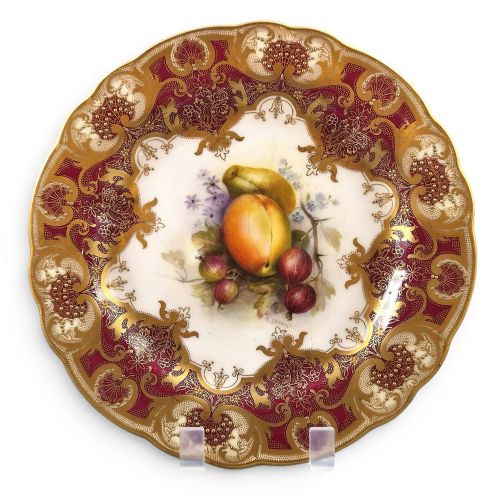
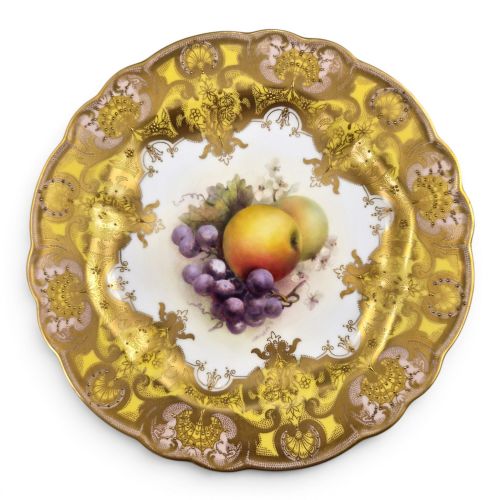
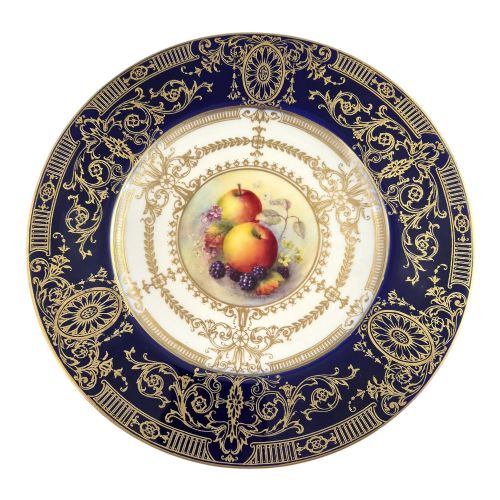
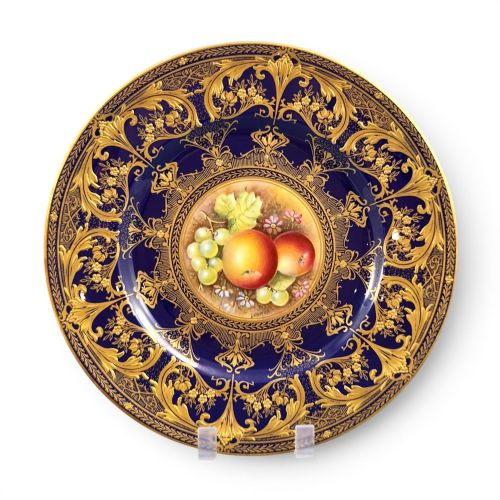
Signed fruit painted china brings together fine porcelain and botanical precision, offering rich palette work designed for cabinet display.
Signed Fruit Painted China
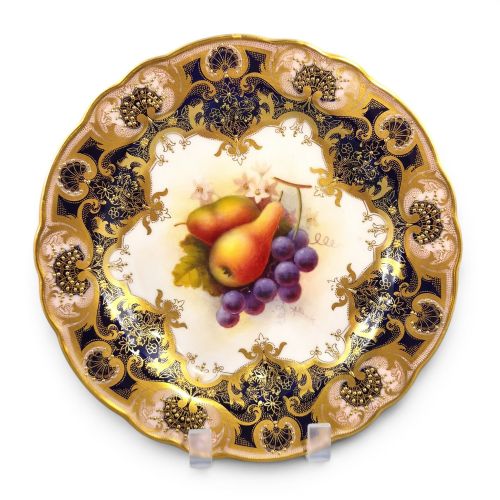
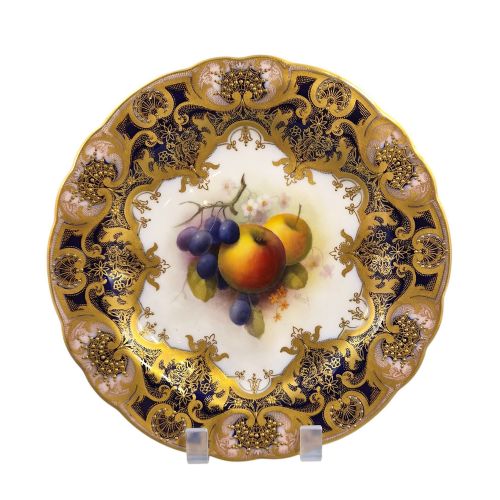
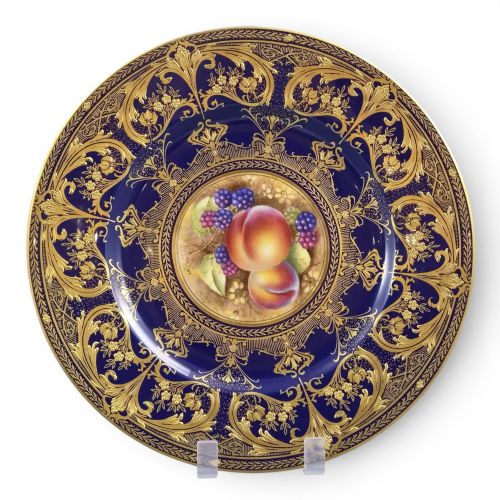
Signed fruit painted china consists primarily of cabinet plates, decorative dishes, vases, and occasional serving vessels bearing detailed studies of orchard produce. These pieces emerge predominantly from the Edwardian era through the mid-twentieth century, showcasing meticulous hand-painted motifs.
Buyers frequently encounter cabinet plates and spill vases carrying signatures from notable painters. The tradition centres on realistic depictions of apples, peaches, grapes, and berries set against naturalistic backgrounds.
Materials and construction methods
Makers utilised bone china and standard porcelain as the canvas for these elaborate botanical studies. Artisans applied enamel paints by hand, building up the rich tones of autumn fruit through successive kiln firings.
Gilding and gold leaf frequently frame the painted scenes, appearing as borders on cabinet plates or subtle accents on vases and cream jugs. Skilled hands applied gold gilding to edges and handles, complementing the warm hues of the fruit.
Signed Fruit Painted China Retail Price Guide 2026
Typical asking prices for signed fruit painted china among the pieces listed under this phrase on Sellingantiques today, from the lower quarter to the upper quarter. They describe what is for sale here now, not the wider market.
Listings feature items from the Edwardian period through the nineteen-sixties, utilising porcelain, bone china, and gold leaf.
Distinctions in quality and execution
Quality rests heavily on the skill of the individual artist and the complexity of the fruit arrangement. Pieces bearing legible signatures from recognised painters command distinct attention for their brushwork and depth.
The density and application of gold leaf or gilding also separate standard items from superior examples. Heavier enamel layering and intricate border treatments indicate higher grade production.
Royal Worcester
The Signed Fruit Painted China Glossary
- Cabinet plate
- A decorative ceramic plate intended for display in a cabinet rather than for dining use. These often feature elaborate painted scenes and gilded borders.
- Enamel
- Vitreous material fused to the ceramic surface through firing to impart permanent colour. It provides the vibrant hues seen in fruit studies.
- Gilding
- The application of gold leaf or gold powder to ceramic surfaces. This technique highlights rims, handles, and borders.
- Spill vase
- A tall, slender vessel historically used to hold wooden spills for lighting fires or candles. In fine china, these function primarily as decorative ornaments.
Signed Fruit Painted China: Frequently Asked Questions
How should I display cabinet plates?
Cabinet plates suit enclosed display furniture or specialised wall mounts where lighting highlights the enamel colours and gold leaf borders.
Keeping them away from direct sunlight protects the painted fruit details from fading over time.
Were these pieces used for dining?
These items served a decorative function rather than daily dining purposes. Cabinet plates and small trays remained in display cabinets or on side tables to showcase artistic skill.
Functional forms like coffee pots and cream jugs existed, but the painted fruit designs usually directed them toward ornamental use.
How do I identify the artist?
Signatures typically appear directly on the painted surface near the base of the fruit arrangement. Artists wrote their names in fine brushstrokes, often incorporating initials or surnames.
Comparing the handwriting and style to known signatures helps confirm the painter's identity.
What periods do these pieces span?
The available selection covers the Edwardian period through the mid-twentieth century, including pieces from the nineteen-teens, twenties, thirties, and later decades.
Different decades show subtle shifts in border styles and the vibrancy of the enamel colours used.