


Signed French Sculpture
Signed French sculpture brings together foundry-cast bronzes, carved marbles and patinated metalwork bearing the authentic signatures of nineteenth and twentieth-century European makers.
Signed French Sculpture
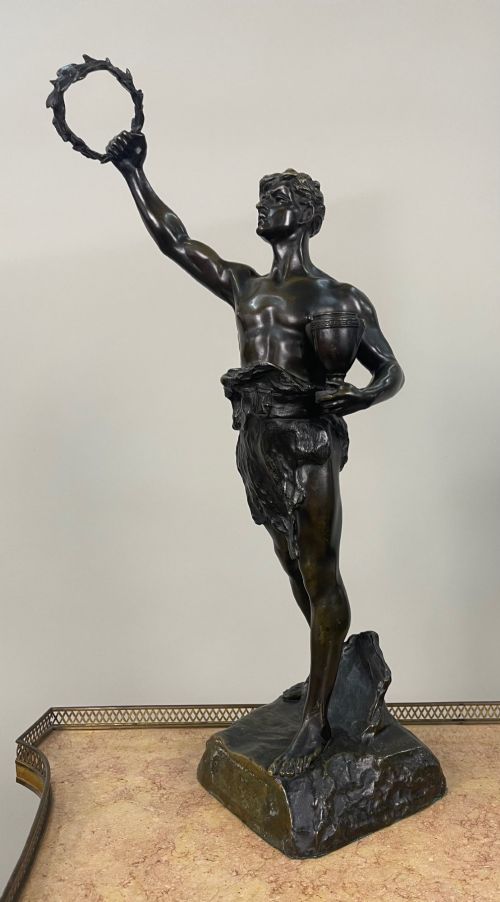
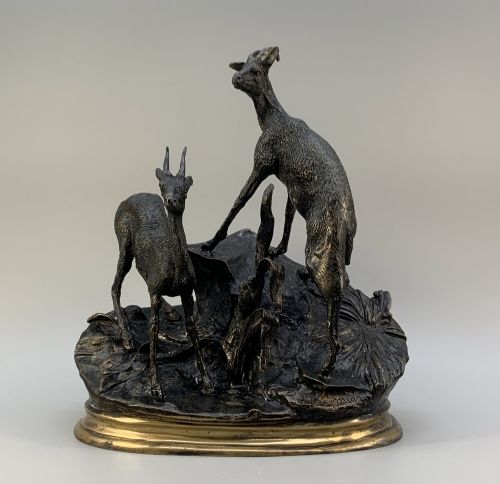
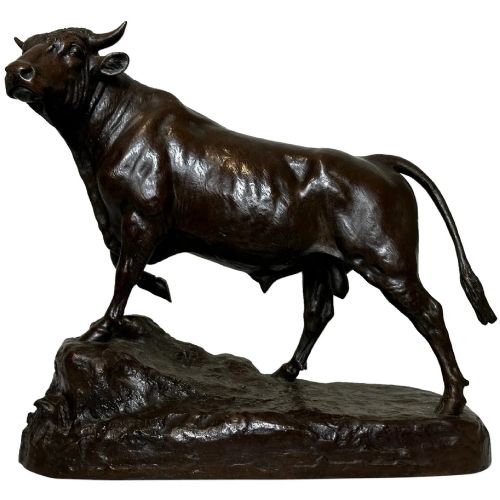
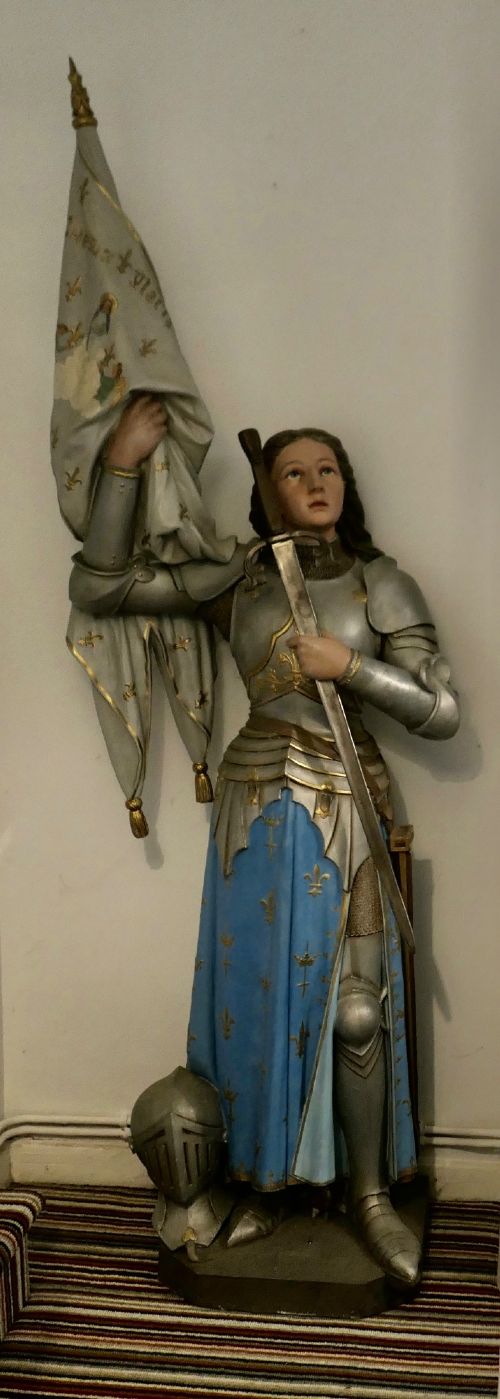
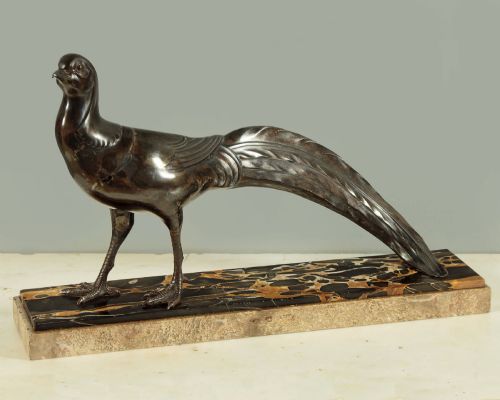
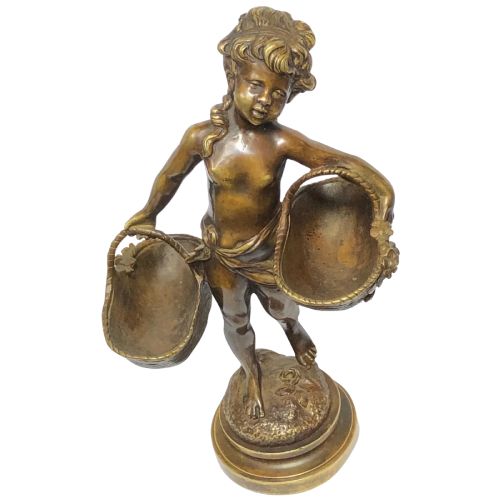
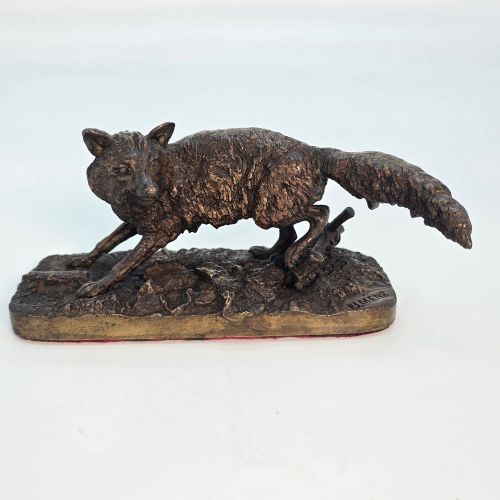
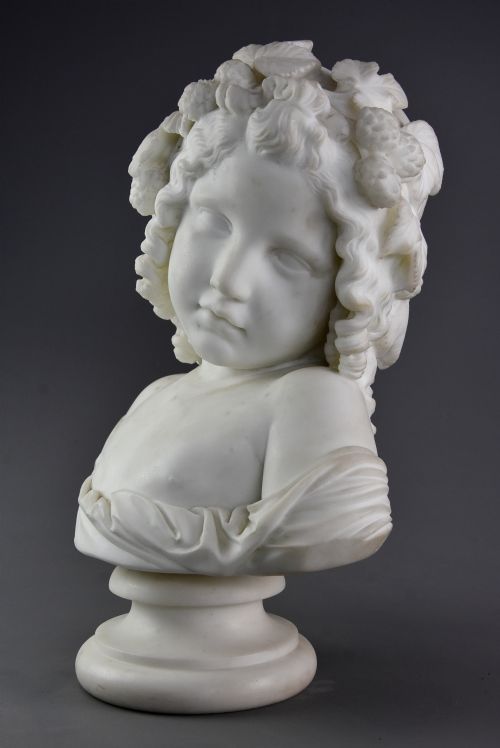
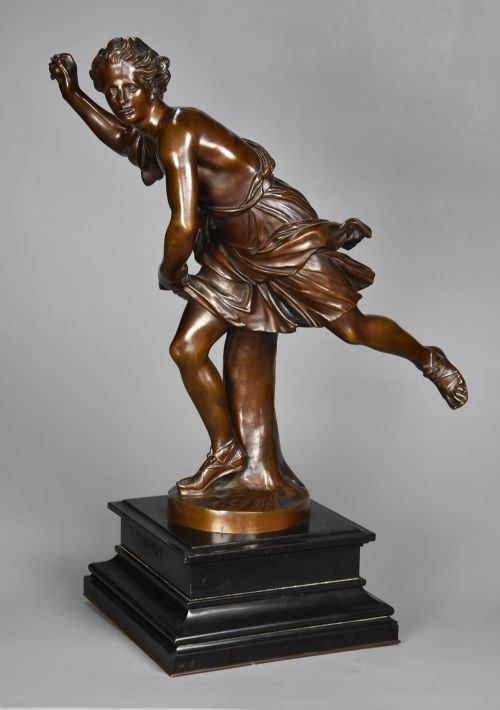
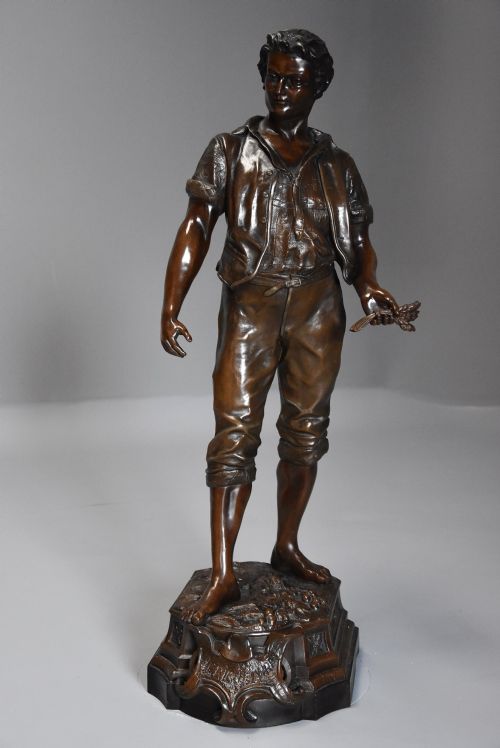
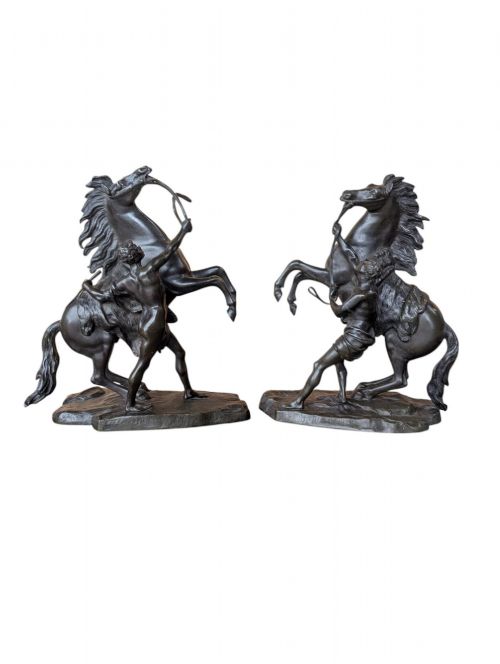
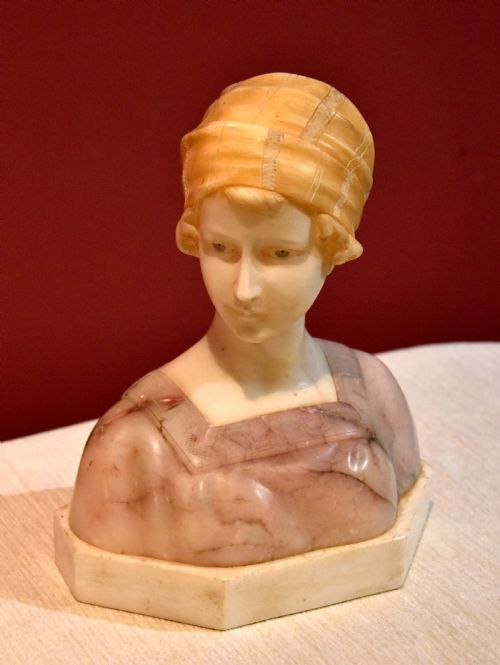
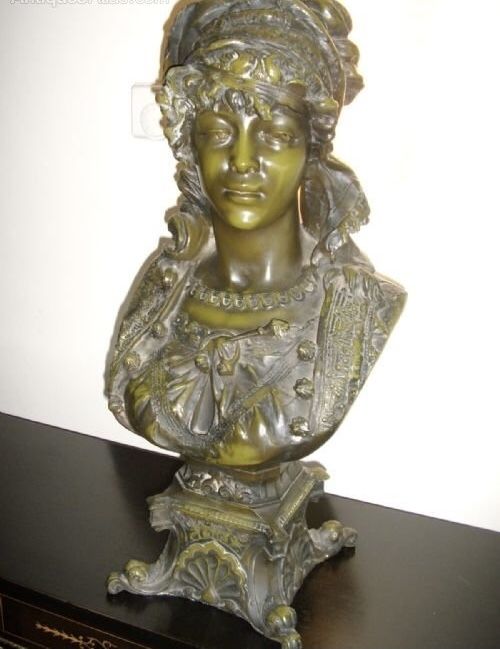
Signed French sculpture encompasses figurative bronzes, portrait busts, animal studies and decorative wall plaques produced across the nineteenth and twentieth centuries. These works reflect stylistic shifts from Neoclassical and Gothic Revival traditions through to the sweeping curves of Art Nouveau and the geometric lines of Art Deco. A buyer searching this phrase encounters everything from cabinet-sized animalier groups to large patinated spelter figures and carved alabaster busts.
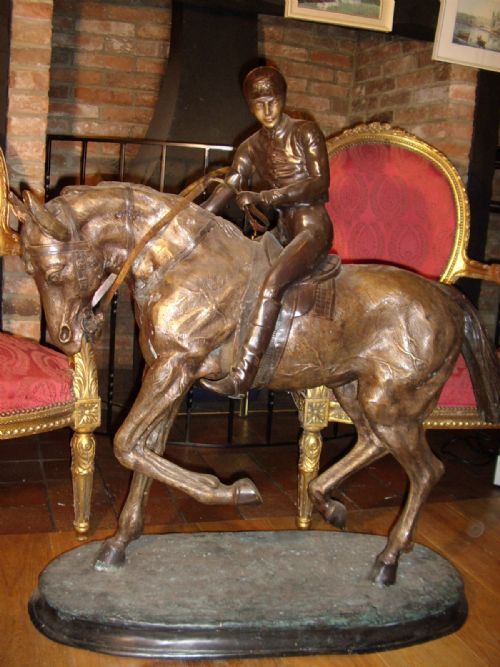
The majority of pieces seen on this page date from the nineteenth century, reflecting prolific foundry production during periods such as the Third Republic. Subjects range from classical mythology and medieval knights to farm labourers, dancers and naturalistic depictions of lions, stags and racehorses. Works often incorporate carved marble or alabaster bases that elevate the metal figures and provide structural stability.
How they were made
Foundries utilised the lost-wax casting method or sand-casting techniques to produce solid or hollow metal sculptures from artist models. Molten bronze or patinated spelter was poured into moulds, then finished by hand with chisels, files and chemical patination to accentuate details in hair, drapery and musculature.
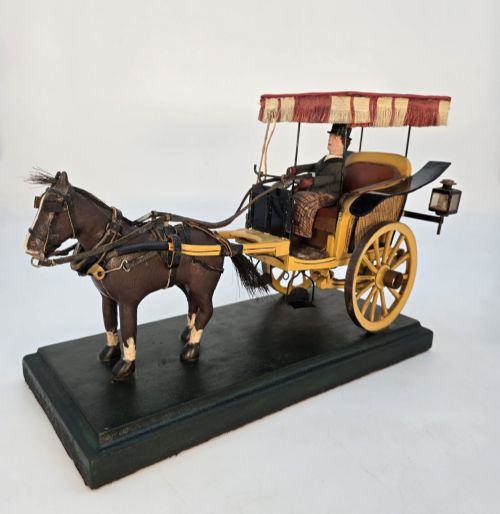
Carved pieces rely on direct subtraction from blocks of Carrara marble or alabaster, where sculptors shaped the stone using claw chisels, rasps and abrasive powders. Wooden folk art models and decorative items demonstrate traditional carpentry, joinery and painted surface treatments applied directly to the grain.
Signed French Sculpture Retail Price Guide 2026
Typical asking prices for signed french sculpture among the pieces listed under this phrase on Sellingantiques today, from the lower quarter to the upper quarter. They describe what is for sale here now, not the wider market.
Listings feature periods spanning from the early 1800s through to the Art Deco aesthetic of 1930.
What varies in quality
Quality rests upon the crispness of the cast and the depth of the hand-chased finish applied after the metal leaves the foundry. Superior bronzes retain razor-sharp definition in facial expressions, feathers and textile patterns, whereas lesser casts appear softened or muddy in texture.
The sophistication of the patination and the integration of secondary materials, such as finely veined marble bases or carved alabaster plinths, distinguish standard commercial output from masterworks of the period. The presence of an authentic cast signature or foundry stamp confirms the provenance and standard of the workshop execution.
Pierre-Jules Mene·Auguste Moreau·Barbedienne·E. Villanis·D. H. Chiparus
The Signed French Sculpture Glossary
- Animalier
- A nineteenth-century artistic movement focused on the realistic depiction of animals, particularly lions, horses and dogs. Sculptors in this genre studied anatomy closely through life drawing at menageries.
- Spelter
- An alloy of zinc and lead often used as a less costly alternative to bronze. It was frequently given a dark bronze-like patination to imitate heavier metal works.
- Patination
- The chemical or thermal treatment applied to metal surfaces to alter colour and tone. This process protects the bronze underneath while creating rich brown, green or near-black finishes.
- Lost-wax casting
- A historic method where a wax model is encased in clay, melted out, and replaced with molten metal. This technique allows for intricate undercuts and delicate surface detail.
- Cire perdue
- The French term for the lost-wax casting process. Foundries used this method to ensure every nuance of the original sculptor's clay or wax model transferred to the metal.
Signed French Sculpture: Frequently Asked Questions
How do I spot a real signature?
Authentic signatures are usually cast directly into the metal while the model is in wax or incised by hand into the cold bronze before patination. Look for lettering that matches the hand of the period rather than modern machine engraving.
Foundry stamps and cachets often accompany the artist's signature, providing further evidence of the production origin and timeframe.
What is the difference between bronze and spelter?
Bronze is a durable copper alloy that takes rich chemical patinas and holds sharp chisel work well over centuries. Spelter is a softer zinc alloy that feels lighter and shows a more brittle fracture if damaged.
Pieces made from spelter were often painted or bronzed to resemble solid metal, though they lack the weight and resonance of true bronze.
How should I clean a bronze sculpture?
Dust bronze figures gently with a soft, dry microfibre cloth to prevent the accumulation of abrasive particles. Avoid using water, soap, or commercial metal polishes, as these can strip away the historic patina.
An occasional very light application of microcrystalline wax helps protect the metal surface from atmospheric moisture and handling oils.
Why do some sculptures sit on marble bases?
Marble bases provide structural stability for top-heavy figural compositions and add a distinct decorative contrast to patinated metal. During the nineteenth century, incorporating carved marble or alabaster became a hallmark of refined salon sculpture.
These plinths are often integral to the design, proportioned specifically to balance the weight and gesture of the main subject.