


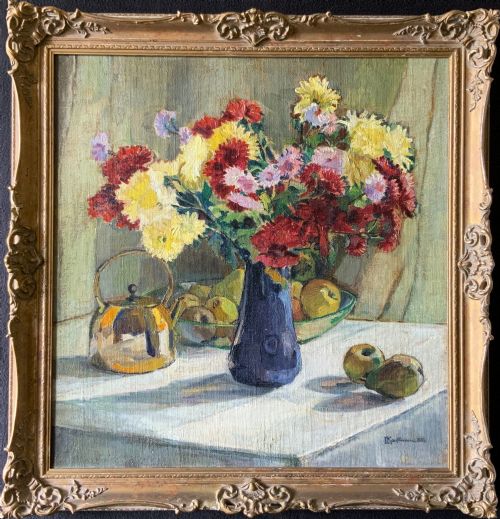


Signed Floral Painting
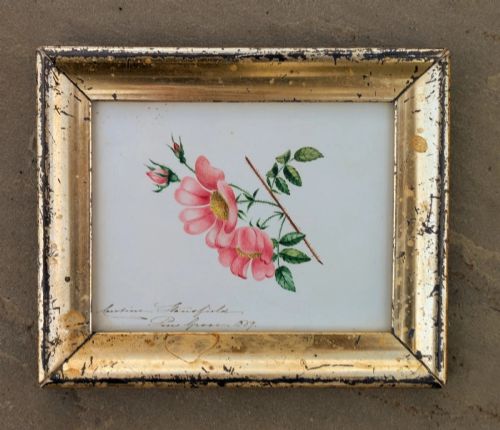
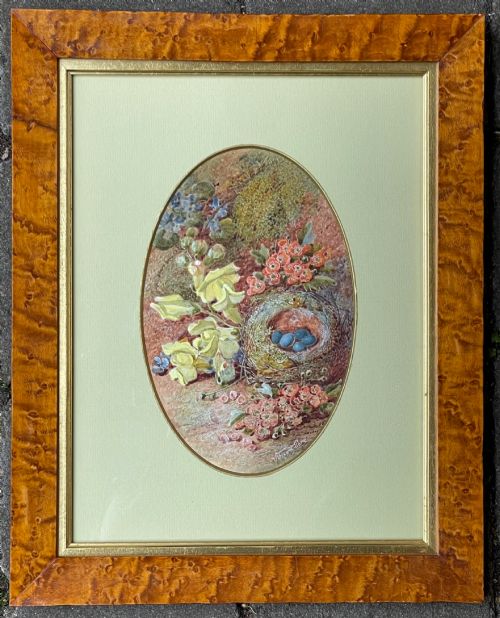
A signed floral painting brings the enduring colour of garden roses, pansies and wild blooms directly onto canvas, paper and porcelain.
Signed Floral Painting
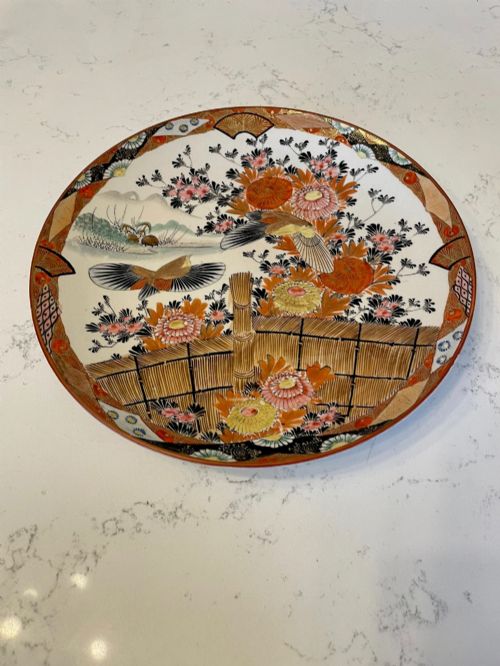
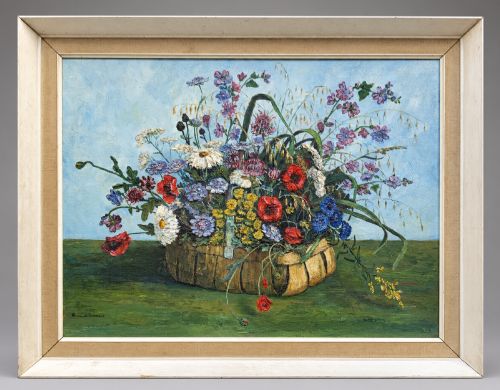
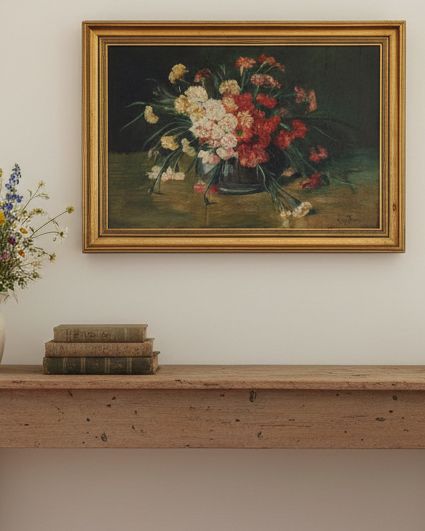
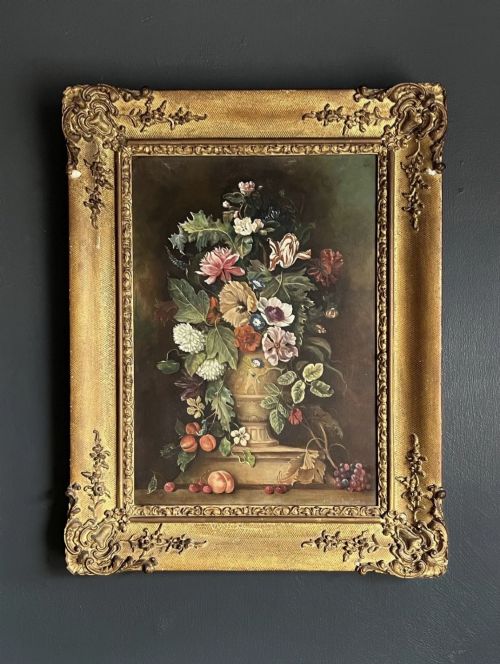
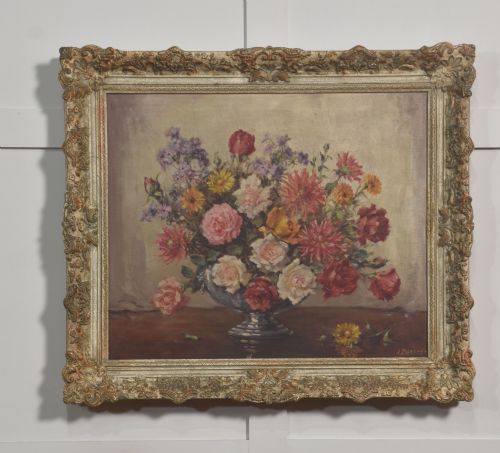
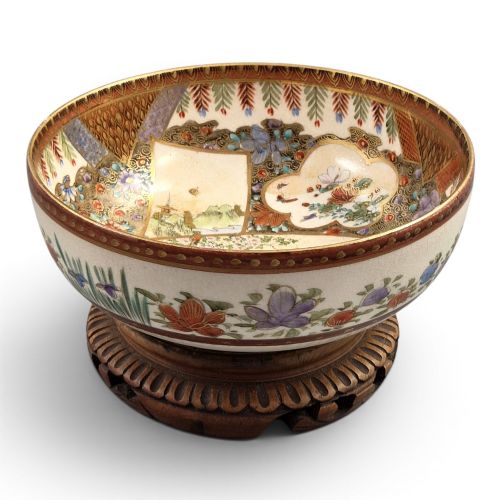
A signed floral painting encompasses traditional oil on canvas still lifes, delicate watercolours of garden flowers, and hand-painted ceramics bearing artist signatures.
The selection ranges from Victorian and Edwardian botanical watercolours to mid-century oil paintings and Japanese Meiji bowls.
Buyers seeking a signed floral painting encounter works executed across the nineteenth and twentieth centuries by named artists and ceramicists.
How they were made
Artists painted these floral studies using oil paint on canvas or board, watercolour on paper, and occasionally pastel, often housing the finished artworks in gilt gesso frames.
Ceramic pieces received hand-painted floral decorations applied directly to porcelain surfaces before firing, frequently accented with gilding.
Makers utilised gold leaf, glass protection, and traditional framing techniques to preserve the integrity of the canvas and paper works over decades.
Signed Floral Painting Retail Price Guide 2026
Typical asking prices for signed floral painting among the pieces listed under this phrase on Sellingantiques today, from the lower quarter to the upper quarter. They describe what is for sale here now, not the wider market.
Materials represented across the inventory include oil paint, watercolour, gold leaf, porcelain, glass, and wood.
What varies in quality
The sophistication of the brushwork and the naturalism of the floral arrangement distinguish finer artistic studies from standard decorative pieces.
On ceramics and porcelain, the intricacy of the hand-painted detail and the prestige of the factory or artist signature elevate the standing of the work.
Vincent Clare·Owen Bowen·Lester Sutcliffe·Sir Matthew Smith·Sir George Reid
The Signed Floral Painting Glossary
- Oil paint
- A slow-drying paint made of pigment suspended in a drying oil, typically linseed. This medium allows for rich colour blending and textured brushwork.
- Gilt gesso
- A plaster-based material applied to wooden frames and coated with gold leaf. It provides an ornate, reflective border for canvas paintings.
- Satsuma
- A type of Japanese earthenware originating from the Satsuma Province, typically featuring a ivory crackle-glaze and elaborate hand-painted polychrome decoration.
- Watercolour
- A painting method in which the paints are made of pigments suspended in a water-based solution. It is traditionally applied to absorbent paper.
Signed Floral Painting: Frequently Asked Questions
What periods do these floral paintings cover?
The available pieces span from the nineteenth century through the Edwardian era and into the mid-twentieth century.
Works from the 1920s to the 1960s sit alongside earlier Victorian watercolours and Japanese Meiji ceramics.
How were these ceramic floral pieces used?
Painted bowls, spill vases and decorative plates served both decorative display functions and domestic uses in period homes.
Items from factories like Royal Worcester combined functional porcelain forms with detailed botanical artistry.
How do I identify the artist on a painting?
Signatures appear inscribed in pigment on the canvas or written in pencil on watercolour paper, sometimes accompanied by dates.
Ceramic pieces frequently display painted artist monograms or factory crests on the underside.
What framing is typical for these artworks?
Many oil paintings retain their original wooden frames, often finished with gilt gesso ornamentation.
Watercolours on paper are generally housed behind glass to protect the delicate pigments from atmospheric moisture.