



Signed English Porcelain
Signed english porcelain brings together hand-painted cabinet plates, vases and ewers carrying the personal signatures of notable ceramic artists.
Signed English Porcelain
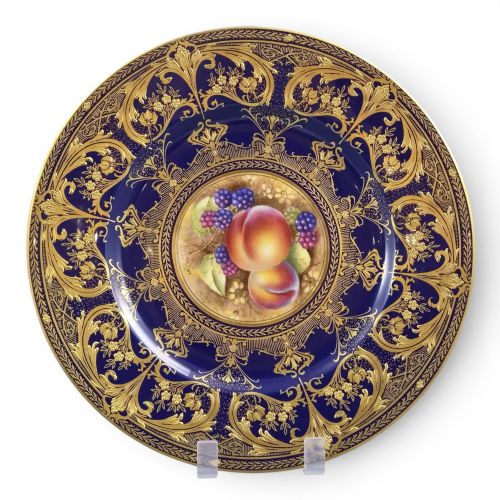
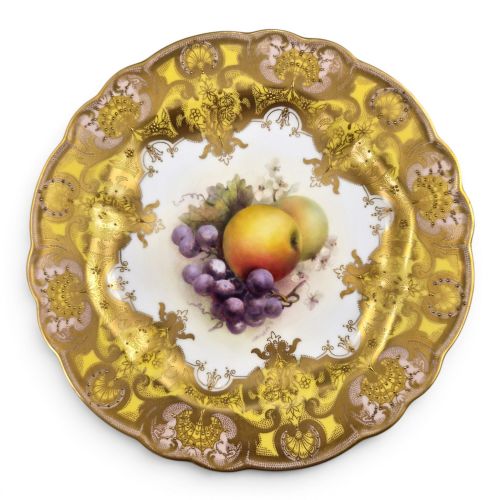
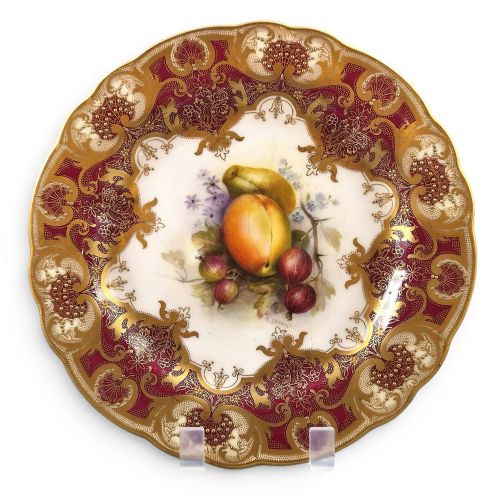
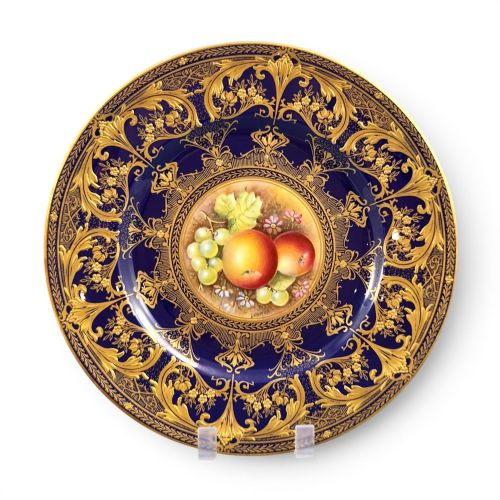
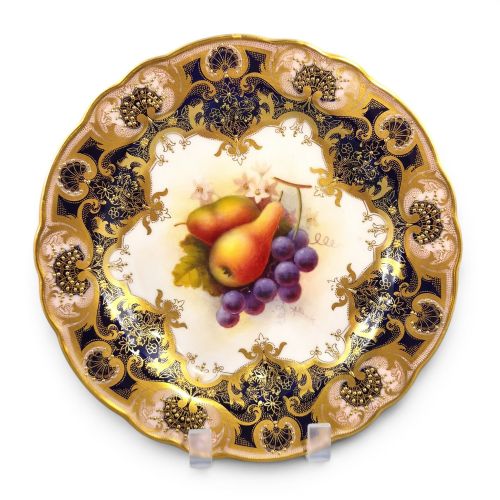
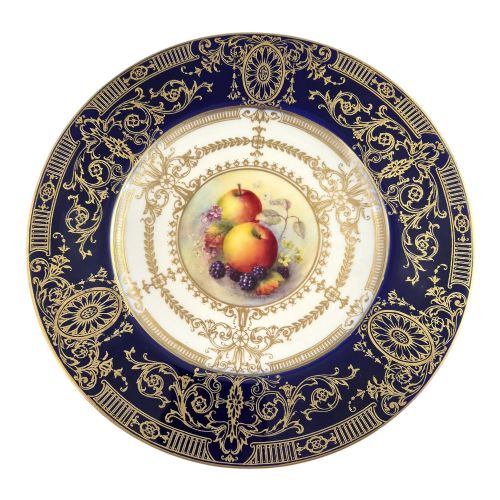
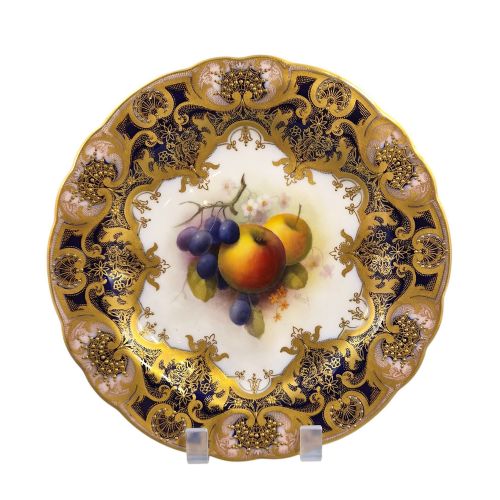
Signed english porcelain primarily comprises cabinet plates, decorative bowls, vases and ewers produced by leading factories from the Edwardian era through the mid-twentieth century. The pieces you will encounter most frequently on this page originate from Royal Worcester, alongside select examples from Royal Doulton and Royal Crown Derby. These works are defined by hand-painted decoration, often featuring botanical or fruit studies created by named studio artists.
The objects span multiple decades including the Edwardian period, the nineteen-twenties, and nineteen-thirties, extending into post-war decades. Cabinet plates and decorative plates form a large portion of the available items, alongside utilitarian forms such as coffee pots and cream jugs. Each piece serves as a canvas for studio painters whose signatures appear directly on the ceramic body or glaze.
How they were made
Manufacturers utilised fine porcelain and bone china as the primary base materials for these decorative vessels and plates. Artisans applied enamel paints by hand to create detailed fruit and floral scenes directly onto the ceramic surface before firing. Gold leaf, gilding, and gold gilt accents were frequently added to rims, handles, and borders to provide contrast.
Techniques relied upon skilled individual artists rather than mass production methods. Painters signed their finished works, recording their personal attribution alongside factory marks. The combination of high-fired white ceramic bodies and rich enamel pigments created the distinctive visual finish characteristic of these wares.
Signed English Porcelain Retail Price Guide 2026
Typical asking prices for signed english porcelain among the pieces listed under this phrase on Sellingantiques today, from the lower quarter to the upper quarter. They describe what is for sale here now, not the wider market.
Several artists spent decades painting identical apples and pears, ensuring every piece received its own unique brushstroke.
What varies in quality
Quality in signed english porcelain rests primarily upon the skill and renown of the artist whose signature appears on the piece. Master painters who specialised in intricate fruit clusters or naturalistic animal scenes command greater attention than those executing simpler floral repeats. The density and precision of the hand-painted brushwork directly influence the visual depth of the subject matter.
The application of gold leaf and gilding also separates standard production items from premier exhibition pieces. Elaborate gilding frames the painted centre while heavy gold gilt on handles and rope edges demonstrates superior workshop execution. The complexity of the ceramic form itself, ranging from standard plates to intricate boat-shaped bowls and ewers, further distinguishes the tier of the piece.
Royal Worcester·Royal Doulton·Royal Crown Derby
The Signed English Porcelain Glossary
- Cabinet plate
- A decorative ceramic plate intended for display rather than table service. These pieces usually feature elaborate hand-painted central motifs and gilded borders.
- Bone china
- A type of porcelain composed of bone ash, feldspathic material, and kaolin. It offers high mechanical strength and a translucent white body suitable for fine painting.
- Gilding
- The application of gold leaf or gold powder to the surface of ceramics. This technique highlights rims, handles, and structural edges.
- Enamel
- A glass-like substance fused to the porcelain body through firing. It provides vibrant, durable colours for hand-painted botanical and figurative scenes.
- Pot pourri
- A decorative vessel featuring a pierced cover designed to hold dried fragrant plant material. These containers often incorporate multiple handles and detailed painted decoration.
Signed English Porcelain: Frequently Asked Questions
What periods do these pieces date from?
The items on this page span from the Edwardian era through the nineteen-twenties, nineteen-thirties, and mid-twentieth century. Most examples date from the early decades of the nineteen-hundreds up to the nineteen-sixties.
Production methods remained consistent across these decades, though stylistic influences shifted from ornate Edwardian aesthetics toward cleaner mid-century forms while maintaining hand-painting traditions.
Who painted these porcelain pieces?
Decorations were executed by specialist studio artists employed by major English potteries. Signatures on the pieces identify specific painters such as Richard Sebright, Harry Davis, and members of the Stinton family.
These artists often specialised in particular subjects, including fruit studies, sheep, or botanical arrangements, signing their completed works directly onto the ceramic surface.
How do I identify the artist signature?
Artist signatures typically appear discreetly within the painted scene itself, near the lower edge or corner of the image. They are rendered in enamel paint by the hand of the decorator.
Collectors cross-reference these handwritten names with factory records to confirm the attribution of the painted subject and the active working period of the artist.
What materials were used?
Makers relied on fine porcelain and bone china to create smooth white surfaces suitable for detailed brushwork. Enamel paints were applied for the colourful central motifs.
Gold leaf and gilding were frequently added to borders, rims, and handles to frame the painted artwork and enhance the decorative finish of the vessel.