





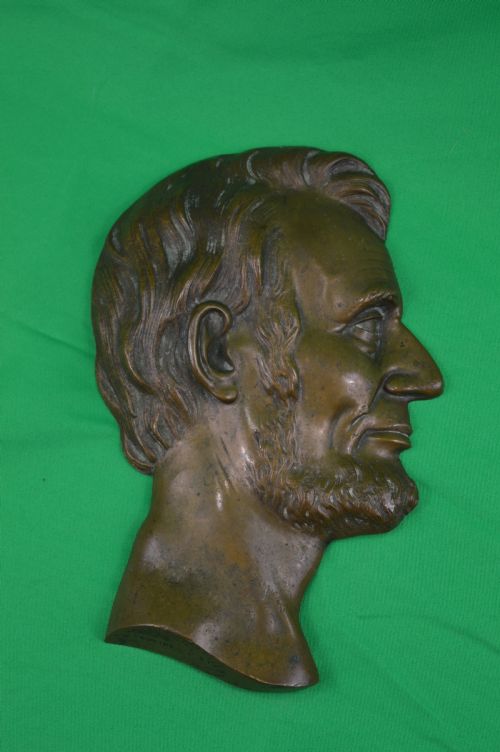

Signed Bronze Portrait
A signed bronze portrait brings character to a mantelpiece, offering the weight of metal and the precise touch of a named hand.
Signed Bronze Portrait
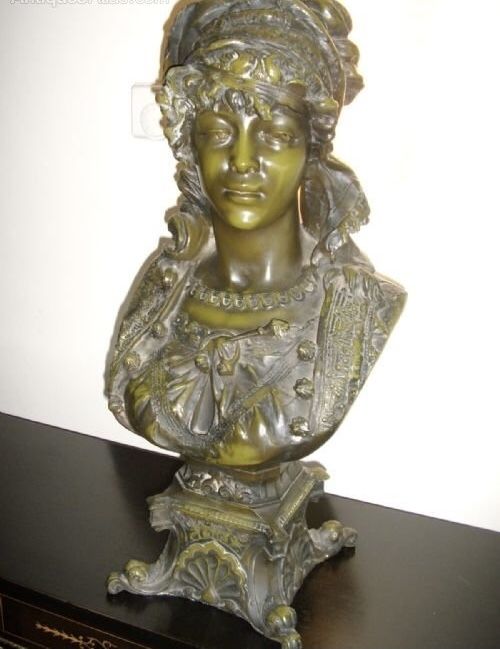
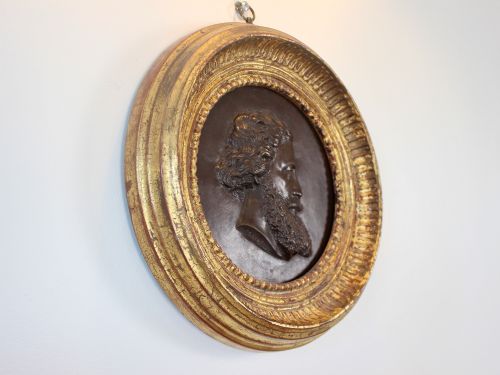
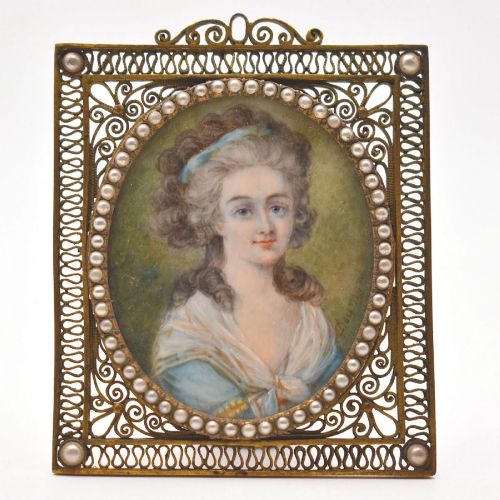
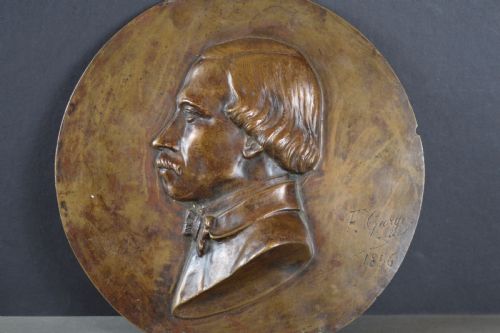
A signed bronze portrait captures historical figures, literary icons, and private sitters in solid metal, often emerging from the French foundries and ateliers of the nineteenth century. When you search for this phrase, you encounter a variety of forms ranging from weighty portrait busts and tabletop sculptures to low-relief wall plaques and miniature paintings set within gilt frames.
The material record on this page spans several distinct eras, with nineteenth-century pieces dominating alongside works from the early twentieth century, including Art Nouveau and Art Deco creations. Subjects vary widely from classical literary figures like John Milton to political leaders such as Abraham Lincoln and Queen Astrid, alongside anonymous maidens and gentlemen recorded by academic realists.
Makers and sculptors sign their work directly into the metal or stone base, providing a direct link between the founder, the artist, and the sitter. You will find these portraits paired with secondary materials such as portoro marble bases, seed pearl frames, and glass panels, reflecting the decorative tastes of their respective periods.
Materials and methods
The primary medium across these listings is cast bronze, frequently finished with patination to accentuate the contours of the face and hair, or highlighted with gilt bronze and gilt metal. Foundries utilised traditional casting techniques to capture fine details, from the beard of a gentleman to the intricate folds of drapery on a maiden's bodice.
Many of the sculptures incorporate contrasting media to elevate the presentation, such as carved Italian marble bases or portoro marble plinths that anchor the heavy metal work. In smaller portable formats, miniature portraits utilise glass and seed pearls within ornate giltwood or metal frames to protect and frame the delicate painted surface.
Signed Bronze Portrait Retail Price Guide 2026
Typical asking prices for signed bronze portrait among the pieces listed under this phrase on Sellingantiques today, from the lower quarter to the upper quarter. They describe what is for sale here now, not the wider market.
Listings feature works spanning the eighteenth, nineteenth, and early twentieth centuries, incorporating materials such as bronze, marble, glass, and seed pearls.
Evaluating quality and craftsmanship
The choice and integration of auxiliary materials also separate standard works from exceptional examples, such as the use of high-grade portoro marble for bases or finely executed hand-painted miniatures set behind protective glass. A clear, distinct signature cut directly into the bronze or marble adds a definitive anchor to the piece's historical provenance.
Henry Wissen Senior·E. Villanis·Dumont·Mainfroy·Rodier·Alajos Strobl·E. Laurent·Bulio·Feridah Francis Forbes Taylor·Gory
The Signed Bronze Portrait Glossary
- Patinated bronze
- Bronze that has been chemically or thermally treated to produce a specific surface colour and tone. This process protects the metal and enhances the visual depth of sculpted details.
- Portoro marble
- A distinctive black Italian marble featuring prominent golden veins. It is frequently utilised as a heavy, contrasting base for bronze sculptures.
- Portrait miniature
- A small, highly detailed painting on a surface such as vellum, ivory, or card. These works are often housed in protective frames decorated with materials like seed pearls.
- Relief plaque
- A wall-mounted sculptural panel where the portrait figure projects from a flat background. The depth of the projection can range from shallow low relief to deep high relief.
- Gilt bronze
- Bronze metal coated with a thin layer of gold or gold-coloured alloy. This finish provides a bright, reflective surface that resists tarnishing over time.
Signed Bronze Portrait: Frequently Asked Questions
How are signed bronze portraits cleaned?
Maintenance requires only a gentle dusting with a soft, dry cloth to prevent the accumulation of grit in the recesses of the casting. Avoid chemical polishes and water, which can strip the historical patination from the metal surface.
For pieces set with marble or glass, wipe those specific areas with a clean, dry microfibre cloth while keeping moisture away from the bronze elements entirely.
Where should I display a heavy bronze bust?
Due to the substantial weight of cast metal and stone bases, these pieces require sturdy furniture capable of supporting concentrated loads without warping. Place them away from direct heat sources and strong sunlight to protect patinas and mounting materials.
Wall-mounted plaques demand secure fixings into solid masonry or properly anchored wall studs to ensure the hardware safely bears the hanging weight.
What does a signature on a bronze tell us?
A signature inscribed into the metal or stone identifies the sculptor who modelled the original portrait or the artist responsible for a miniature painting. It connects the physical object to a specific hand and historical period.
Signatures help researchers attribute works to known European ateliers and foundries, establishing the context of the creation and the sitter's identity where recorded.
How do I identify Art Nouveau bronze portraits?
Art Nouveau examples typically feature flowing, organic lines, stylized hair, and natural motifs drawn from plants and flowers. The lettering of titles and signatures on these pieces often adopts characteristic curving, linear fonts.
These works frequently date from the late nineteenth or early twentieth century and may combine patinated bronze with contrasting marble bases or delicate floral elements.