







Signed Bronze Bust
A signed bronze bust is a sculpted portrait in metal carrying the hand of its maker, prized by collectors for bringing tactile presence and historical character into a room.
Signed Bronze Bust
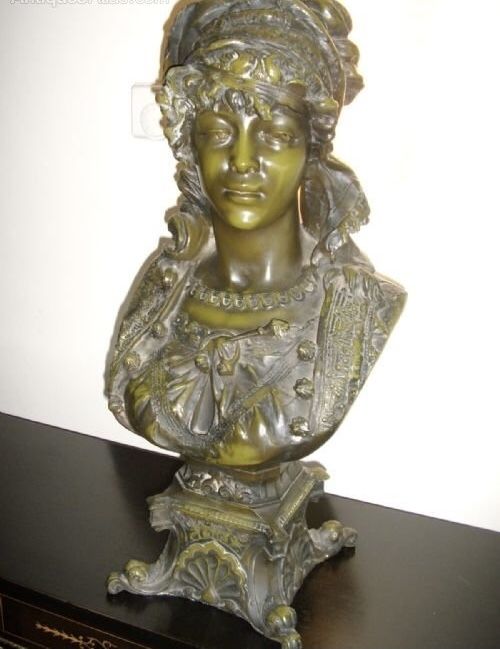
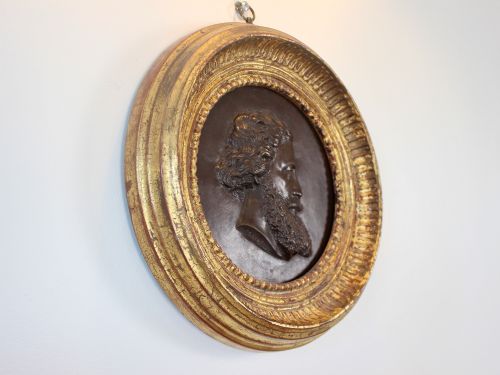
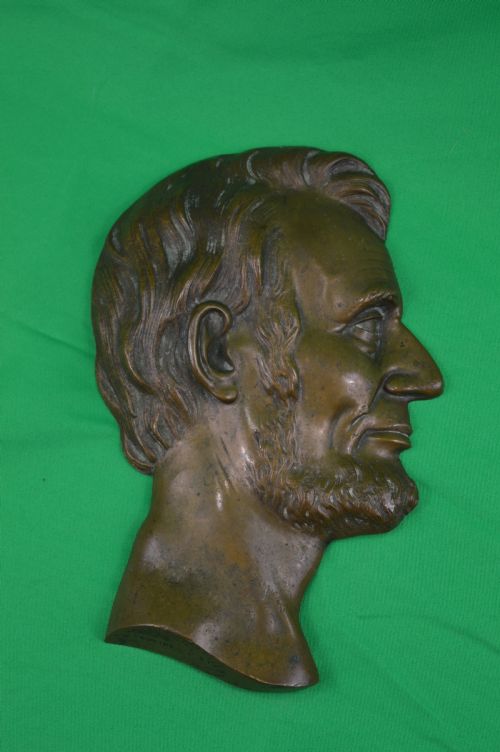
A signed bronze bust captures a likeness of a figure, ranging from historical portraits of literary and political figures like John Milton and Abraham Lincoln to classical maidens and bearded gentlemen. These pieces emerge predominantly from nineteenth century French and Victorian workshops, reflecting academic realism, classical studies, and the sinuous lines of Art Nouveau.
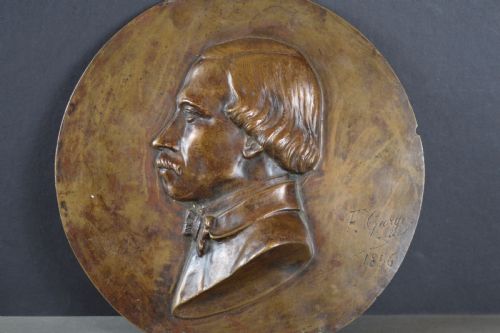
Collectors encountering this category will find freestanding portrait heads alongside wall plaques and relief plaques mounted on contrasting bases. Materials extend beyond pure metal to incorporate patinated bronze, gilded bronze, ormolu, and white or red marble supports.
The signature acts as the primary anchor for provenance, identifying the hand behind the cast and connecting the object directly to the sculptor's studio. Works frequently date from the late nineteenth century through to the early decades of the twentieth century.
Materials and casting methods
Foundries utilised traditional casting techniques to capture the fine details modelled by the sculptor, followed by hand-finishing and chasing. The application of chemical patination then created deep browns, warm metallic sheens, or dark tones before the artist inscribed or cast their signature into the material.
Signed Bronze Bust Retail Price Guide 2026
Typical asking prices for signed bronze bust among the pieces listed under this phrase on Sellingantiques today, from the lower quarter to the upper quarter. They describe what is for sale here now, not the wider market.
Listings feature works spanning the nineteenth century and the early twentieth century, utilising bronze, patinated bronze, ormolu, and carved marble.
Assessing quality and execution
Quality rests upon the sharpness of the casting and the sensitivity of the hand-chasing after the metal leaves the mould. Superior examples retain crisp detail in the facial expression, hair, and clothing without softening of the contours.
The relationship between the metal portrait and its base also defines the standard of the piece. Fine works integrate marble supports or ormolu mounts harmoniously, ensuring the signed sculpture sits securely and presents balanced proportions from every angle.
Henry Wissen Senior·E.Villanis·MAINFROY·Alajos Strobl·J Lavergne·Ernest-Eugène Hiolle·E. Laurent·Bulio·Henri Plé·GORY
The Signed Bronze Bust Glossary
- Bronze
- An alloy of copper and tin used for sculpture, valued for its tensile strength and ability to hold fine detail when cast.
- Patina
- A surface coloration or film formed on bronze through age or chemical treatment, enhancing depth and tonal variation.
- Ormolu
- Gilded bronze used for decorative mounts and accents, providing a bright golden contrast against darker patinated metal.
- Portoro
- A distinctive black Italian marble with gold veins, frequently utilised as a polished base for sculptural works.
- Relief Plaque
- A sculptural panel where the portrait projects from a flat background rather than existing as a fully freestanding bust.
Signed Bronze Bust: Frequently Asked Questions
What periods do these busts represent?
The pieces span the nineteenth century, including Victorian examples alongside French neoclassical and academic works. Later items extend into the early twentieth century under the influence of Art Nouveau.
Dates often cluster around the latter half of the nineteenth century, reflecting the peak of European foundry production and portrait sculpture.
Where should I place a bronze bust at home?
These sculptures require a stable, sturdy surface such as a wooden mantelpiece, a dedicated console table, or a secure bookcase. Because many incorporate heavy marble bases, adequate weight support is essential.
Positioning the piece near a light source helps reveal the subtleties of the patina and the precision of the sculptor's chased details.
How do I read the signature on the metal?
Signatures are typically incised directly into the bronze during the casting or finishing process, often appearing near the lower edge or shoulder of the bust. Some signatures incorporate the artist's surname alongside a location or foundry mark.
Examining the lettering under good lighting helps distinguish a genuine cast-in signature from later additions or secondary inscriptions.
Are these pieces purely decorative?
While highly decorative, portrait busts often carry historical or literary significance, depicting specific figures such as Abraham Lincoln, John Milton, or classical mythological subjects. They served historically as tributes to notable individuals and expressions of refined taste.
Living with them involves appreciating both the sculptural craftsmanship and the historical identity of the subject portrayed.