


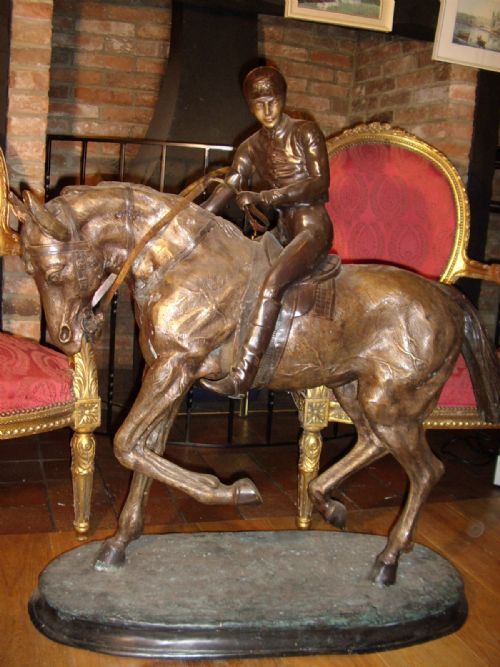


Signed Bronze Animalier
Signed bronze animalier figures capture the raw energy of wildlife, offering collectors lifelike studies cast by accomplished sculptors.
Signed Bronze Animalier
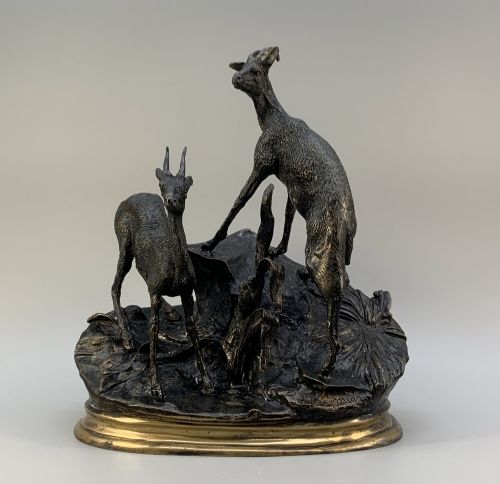
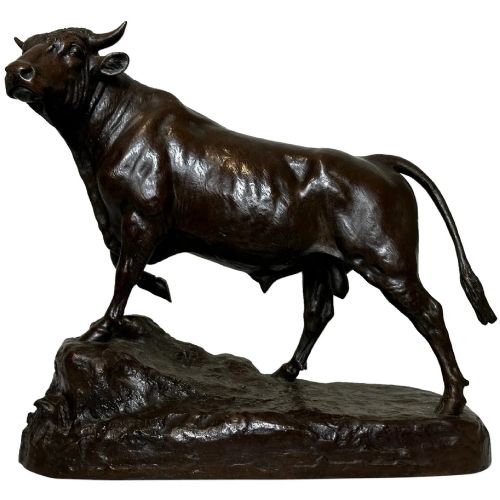
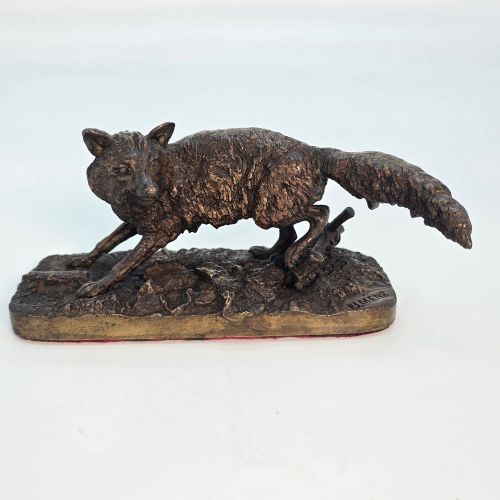
Signed bronze animalier works encompass sculptural studies of creatures, ranging from foxes and stags to big cats and birds, rendered with striking realism. When exploring signed bronze animalier, buyers encounter pieces originating primarily from nineteenth-century France alongside twentieth-century Art Deco and Art Nouveau expressions.
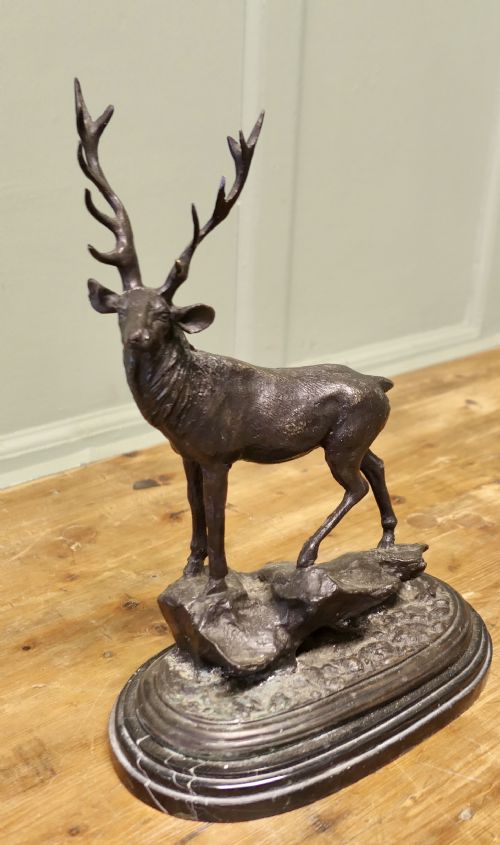
The subjects appear either as standalone figures or mounted upon carved marble plinths, often capturing dynamic moments like a stag standing on a rock or a tiger locked in combat. These sculptures reflect deep naturalist observation, translating fur, feather, and muscle into enduring metal.
Most examples hail from the nineteenth century or the early decades of the twentieth, displaying the distinct stylistic signatures of French animaliers and European foundries. Collectors seek these pieces for their anatomical precision and the tangible link they provide to historic bronze casting traditions.
Materials and Casting Methods
The primary medium is cast bronze, utilised either in its raw metallic tone or treated with varied surface patination to enhance texture and depth. Certain works incorporate cold painted finishes, applying colour directly onto the metal surface to replicate natural plumage.
Many sculptures are anchored to heavy marble bases, providing stable foundations and contrasting mineral textures against the dark metallic surfaces. Gilded bronze also appears, introducing luminous metallic highlights to specific Art Deco bird and branch compositions.
Signed Bronze Animalier Retail Price Guide 2026
Typical asking prices for signed bronze animalier among the pieces listed under this phrase on Sellingantiques today, from the lower quarter to the upper quarter. They describe what is for sale here now, not the wider market.
Listings feature works spanning the nineteenth century, Victorian era, Art Nouveau, and Art Deco periods, utilising bronze, marble, and paint.
Distinctions in Quality
Quality rests upon the crispness of the cast and the sensitivity of the chisel work applied after the metal leaves the mould. Superior pieces retain sharp muscle definition and subtle textural nuances in fur and feathers without losing them beneath heavy patination.
The integration of the sculpture with its marble plinth also distinguishes superior examples, where the stone is precisely fitted and proportioned to the metal subject. The clarity and prominence of the artist signature further elevate a work, reflecting the direct hand of a recognised master.
Pierre-Jules Mêne·Luigi Secchi·Franz Bergman·G. Gardet·P. de Soete·I. Rochard·E. Drouot
The Signed Bronze Animalier Glossary
- Animalier
- A nineteenth-century artistic movement focused on the realistic portrayal of animals, particularly in sculpture. Practitioners studied captive and wild subjects intently to capture accurate anatomy.
- Patinated Bronze
- Bronze metal treated with chemical solutions to produce a specific surface colour and tone. This finish protects the metal and highlights sculptural details.
- Cold Painted Bronze
- A method where polychrome oil or enamel paints are applied to an unheated bronze casting. This technique was frequently utilised on small Vienna bird and animal figures.
- Marble Plinth
- A heavy stone base upon which a bronze sculpture is mounted for display and stability. These bases vary from simple geometric slabs to carved supports.
Signed Bronze Animalier: Frequently Asked Questions
How do I spot a real signature?
Signatures on these bronzes are typically cast directly into the metal or hand-chiselled into the base while the material is still workable. Look for crisp lettering that matches the surrounding surface wear and patina.
Compare the placement and lettering style against known examples by the same hand. Authentic signatures feel integrated with the sculpture rather than hastily engraved later.
What periods do these bronzes come from?
The pieces span from the nineteenth century through the Art Deco and Art Nouveau movements into the mid-twentieth century. Nineteenth-century examples lean heavily towards naturalism and dramatic wildlife scenes.
Later twentieth-century works often embrace stylised forms and geometric bases typical of Art Deco design. Each era employs distinct finishing techniques and patination styles.
Why are some figures mounted on marble?
Marble bases provide structural stability and weight for heavy bronze sculptures depicting dynamic poses like leaping stags or crouching tigers. The stone also creates a formal framing device that elevates the artwork.
Different coloured marbles reflect the prevailing interior tastes of the nineteenth and early twentieth centuries. The integration of stone and metal requires precise fitting by the foundry.
How should I clean a bronze sculpture?
Dust the surface gently with a soft, dry cloth to prevent particulate buildup without disturbing the historic patination. Avoid harsh chemical cleaners or abrasive polishes that can strip away the original finish.
Applying a very light microcrystalline wax can protect the metal from atmospheric moisture. Consult a professional conservator if the bronze shows signs of active corrosion.